Chinchilla Care 101: Tips for Keeping Your New Pet Happy and Healthy
Welcome to the world of chinchillas! These adorable, fluffy rodents are native to the Andes Mountains in South America. They are known for their soft, dense fur and their playful nature. However, they also have unique needs that set them apart from other small pets. Proper care is essential for keeping your chinchilla happy and healthy. In this guide, we will cover everything you need to know about chinchilla care, from diet and housing to grooming and social interaction.
Understanding Chinchillas’ Unique Needs
Chinchillas are highly sensitive creatures with specific environmental and dietary requirements. Originating from the high altitudes of the Andes, they thrive in cool, dry environments. Their thick fur makes them susceptible to heatstroke, so it’s crucial to maintain the right temperature and humidity levels in their living space. Additionally, chinchillas are nocturnal animals, meaning they are most active during the night. This behavior influences how you interact with them and arrange their living quarters.
Dietary Requirements
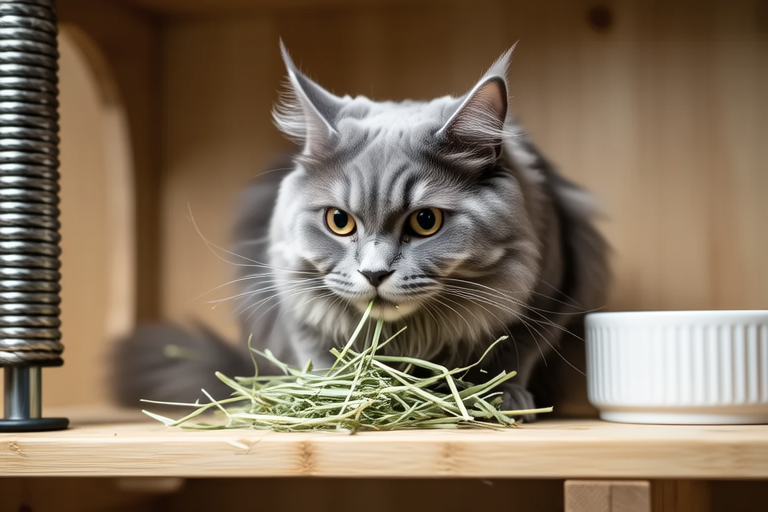
Proper nutrition is key to maintaining your chinchilla’s health. A balanced diet primarily consists of high-quality hay, which should make up the majority of their daily intake. Timothy hay is especially recommended due to its digestibility and nutritional value. Supplementing with fresh vegetables like carrots or broccoli can provide variety but should be given in moderation. Avoid feeding fruits, as their high sugar content can lead to digestive issues.
Commercial chinchilla pellets designed specifically for their nutritional needs are also important. Ensure that these pellets are free from artificial additives and preservatives. Fresh water should always be available, and it’s best to use a sipper bottle designed for small animals to prevent contamination.
Suitable Housing Conditions
Adequate housing is vital for your chinchilla’s comfort and safety. Choose a spacious cage with multiple levels to encourage climbing and exploration. Wire cages are preferred over solid-bottomed ones because they allow for better air circulation and easier cleaning. The cage should be placed away from direct sunlight and drafts, ideally in a quiet corner of your home where your chinchilla can feel secure.
To ensure your chinchilla has enough room to move around, the cage should be at least 3 feet wide by 2 feet deep by 4 feet tall. Adding ramps, tunnels, and platforms will further enhance their living space, providing opportunities for physical activity and mental stimulation.
Necessary Environmental Adjustments
Maintaining the right temperature and humidity levels is critical for your chinchilla’s well-being. Ideal temperatures range between 60°F and 70°F (15°C to 21°C), with humidity levels below 40%. To achieve this, consider using a dehumidifier if necessary. Chinchillas are prone to overheating, so avoid placing their cage near heat sources or windows where they might be exposed to direct sunlight.
For bedding, choose dust-free options such as shredded paper or recycled newspaper products. Avoid cedar and pine shavings, as they can irritate your chinchilla’s respiratory system. Providing a dust bath area within the cage allows your chinchilla to clean their fur naturally, which is essential for preventing skin issues.
Grooming and Hygiene
Chinchillas have very delicate skin and require special attention when it comes to grooming. They groom themselves by rolling in a shallow dish filled with special dust made from volcanic ash. This process helps remove dirt and excess oils from their fur without causing irritation. Ensure that the dust bath area is cleaned regularly to prevent bacterial growth.
Trimming nails is another important aspect of chinchilla grooming. Long nails can cause discomfort and even injury. Use nail clippers designed for small animals and trim only the tip of each nail to avoid cutting into the quick, which can cause bleeding and pain. If you’re unsure about how to do this safely, consult a veterinarian or experienced chinchilla owner for guidance.
Exercise Needs
Despite their small size, chinchillas are energetic creatures that require regular exercise to stay healthy. In addition to providing ample space within their cage, supervised playtime outside the cage is beneficial. Allow your chinchilla to explore a safe, enclosed area under supervision, ensuring there are no hazards like open windows or toxic plants.
Interactive toys, such as chew sticks, tunnels, and balls, can help keep your chinchilla mentally stimulated and physically active. Rotate toys periodically to maintain interest and prevent boredom. Regular exercise promotes good muscle tone and reduces the risk of obesity-related health problems.
Common Health Issues
Like any pet, chinchillas can face various health challenges. One of the most common issues is dental disease, often caused by improper diet or lack of chewing materials. Signs include difficulty eating, drooling, or weight loss. Providing plenty of hay and appropriate chew toys can help prevent dental problems.
Respiratory infections are another concern, particularly if the cage is too damp or dirty. Symptoms include sneezing, runny nose, or labored breathing. Maintaining clean living conditions and avoiding exposure to drafts can reduce the risk of respiratory issues.
Overgrooming, leading to bald spots or skin lesions, may indicate stress or underlying health issues. Consult a veterinarian if you notice unusual grooming behavior or changes in your chinchilla’s coat.
Social Interaction and Bonding
Chinchillas are social animals and enjoy interacting with their human companions. While they are generally independent, spending time with your chinchilla through gentle handling and play can strengthen your bond. Approach your chinchilla calmly and gently, allowing them to become accustomed to your presence before attempting to hold or pet them.
Handling sessions should be short and positive, focusing on building trust rather than forcing interaction. Avoid startling your chinchilla or making sudden movements, as this can cause stress or fear. Over time, consistent, gentle interactions will help your chinchilla become more comfortable with you.
Creating a Stimulating Environment
To ensure your chinchilla remains happy and engaged, create an environment that encourages exploration and play. In addition to providing toys and tunnels, consider adding novelty items like cardboard boxes or empty toilet paper rolls for chewing and shredding. Rotate these items periodically to keep things interesting.
Establishing a routine can also contribute to your chinchilla’s sense of security and well-being. Feed them at consistent times each day and spend some quality time together during their most active periods. Consistency helps your chinchilla feel safe and comfortable in their home.
In conclusion, caring for a chinchilla requires dedication and attention to detail. By understanding their unique needs and providing proper care, you can ensure your chinchilla lives a long, healthy, and happy life. With the right diet, housing, grooming practices, and social interaction, you’ll form a strong bond with your furry friend and enjoy many years of companionship.
