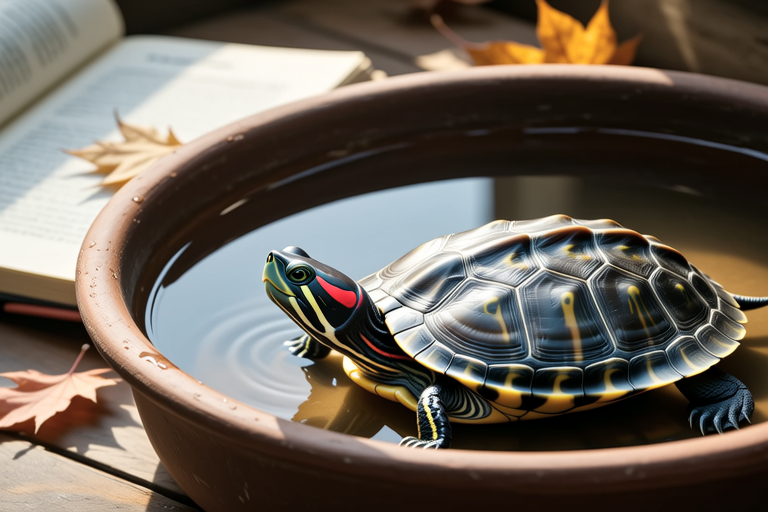
Red-eared Slider: Everything You Need to Know Before Adoption
The red-eared slider (Trachemys scripta elegans) is one of the most popular pet turtles in the world. Known for their distinctive red patches behind their eyes, these semi-aquatic turtles are captivating creatures that require careful consideration before adoption. This comprehensive guide will provide you with all the essential information you need to know about red-eared sliders, from their natural habitat to the responsibilities of ownership.
Introduction to Red-eared Sliders and Their Natural Habitat
Red-eared sliders are native to the southern United States and northern Mexico. They inhabit freshwater environments such as ponds, lakes, and slow-moving rivers. These turtles are well-adapted to life in water, spending most of their time swimming and basking on logs or rocks. In the wild, they can be found in regions with warm climates and abundant vegetation.
Key Facts About Size, Lifespan, and Behavior
Red-eared sliders grow to an average length of 4 to 12 inches (10 to 30 cm) with females typically being larger than males. Under proper care, they can live up to 20-30 years, making them long-term companions. Their behavior is generally calm and docile, but they can become aggressive during breeding season. They are diurnal animals, meaning they are most active during the day.
Detailed Care Requirements
Housing
Red-eared sliders require a spacious tank or pond to thrive. For a single adult turtle, a minimum of 75 gallons (285 liters) of water is recommended. The tank should have a filtration system to maintain water quality and prevent ammonia buildup. Additionally, a basking area should be provided, consisting of a platform above the water level where the turtle can dry off and regulate its body temperature.
Water Quality
Maintaining clean water is crucial for the health of your red-eared slider. Regular partial water changes (about 25% weekly) are necessary to keep the water free from harmful bacteria and toxins. Water should be dechlorinated before adding it to the tank. A high-quality filter is essential to keep the water clear and free from debris.
Temperature
Red-eared sliders are ectothermic, meaning they rely on external sources to regulate their body temperature. The water temperature should be maintained between 75°F to 80°F (24°C to 27°C). A submersible heater can be used to achieve this, ensuring the water remains at a consistent temperature.
Lighting
Proper lighting is vital for the health of your turtle. UVB lighting is essential for calcium absorption and bone health. A full-spectrum UVB lamp should be placed over the basking area, providing 10-12 hours of light daily. This mimics natural sunlight and helps prevent metabolic bone disease.
Diet Specifics for Optimal Health
A balanced diet is key to keeping your red-eared slider healthy. Their diet should consist of a variety of foods, including commercial turtle pellets, fresh vegetables, and occasional protein sources like earthworms or minnows. Leafy greens such as romaine lettuce, collard greens, and dandelion leaves are excellent choices. Ensure that any food given is appropriate for their size to avoid choking hazards.
Common Health Issues and Prevention
Metabolic bone disease (MBD) is a common issue in red-eared sliders due to inadequate calcium intake or insufficient UVB exposure. Symptoms include soft shell, swollen limbs, and lethargy. To prevent MBD, ensure your turtle has access to UVB lighting and a calcium-rich diet.
Shell rot is another frequent problem, often caused by poor water quality or injury. Keep the water clean and monitor your turtle’s shell regularly for signs of infection. If you notice any abnormalities, consult a veterinarian specializing in reptiles.
Legal Considerations and Restrictions
It’s important to check local laws regarding the ownership of red-eared sliders. Some countries and states have restrictions on the importation or possession of certain species. For example, in the European Union, it is illegal to sell or distribute red-eared sliders due to their invasive nature in some regions. Always research and comply with local regulations before adopting a red-eared slider.
Tips for Creating a Stimulating Environment
To keep your red-eared slider mentally and physically stimulated, provide enrichment activities such as floating logs, rocks, and aquatic plants. These items offer hiding spots and climbing opportunities, encouraging natural behaviors. Rotate toys periodically to prevent boredom and ensure your turtle remains engaged.
Responsibilities of Ownership and Commitment Required
Owning a red-eared slider requires a significant commitment. These turtles have long lifespans and need regular care, including feeding, cleaning, and monitoring health. Be prepared for the financial investment in equipment and veterinary care. Additionally, consider the space required for their enclosure and ensure it fits within your living environment.
Conclusion
In conclusion, adopting a red-eared slider is a rewarding experience but comes with substantial responsibilities. Understanding their natural habitat, dietary needs, and care requirements is essential for providing a healthy and happy life for your new pet. By educating yourself thoroughly and preparing adequately, you can ensure that your red-eared slider thrives under your care. Remember, these turtles are not just pets; they are long-term companions that demand attention and dedication.
