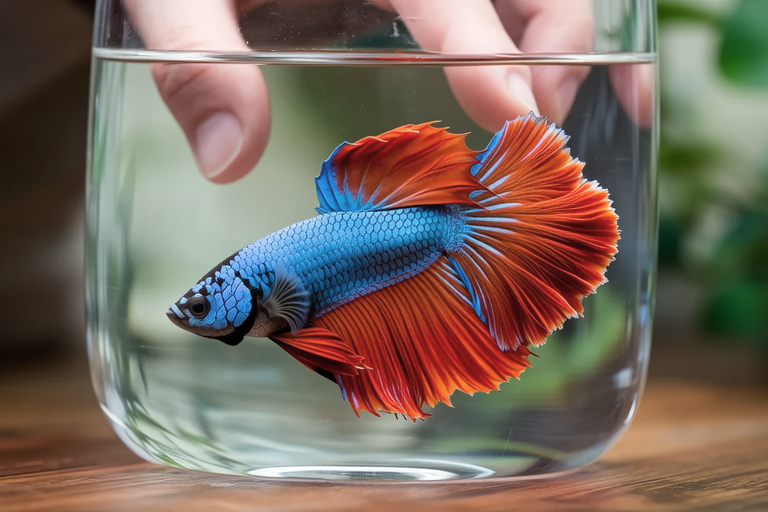
Bonding With Your Betta: Fun Activities and Tricks to Strengthen Your Connection
Having a pet is always a rewarding experience, but owning a betta fish offers a unique opportunity for bonding and connection. These colorful, vibrant creatures are more than just decorative additions to your home; they are intelligent, social animals that can develop strong bonds with their human companions. Understanding your betta’s behavior and needs is crucial to fostering this relationship. This guide will provide you with tips on how to understand your betta, fun activities to engage in together, and advice on creating a stimulating environment. By following these steps, you’ll be well on your way to forming a deep, meaningful connection with your betta.
Understanding Betta Behavior and Needs
To start building a bond with your betta, it’s essential to understand its natural behaviors and requirements. Bettas are territorial and solitary by nature, meaning they prefer living alone and defending their space from intruders. They are also highly sensitive to changes in their environment, so maintaining a stable, clean tank is vital. Bettas thrive in warm water with a temperature range of 78 to 82 degrees Fahrenheit, and they need a pH level between 6.5 and 7.5. Regular water changes and proper filtration are necessary to keep the tank healthy.
Bettas are also visually oriented and respond well to movement and color. They are known for their aggressive displays, especially towards other fish or objects they perceive as threats. However, with patience and gentle encouragement, you can teach your betta to recognize you as a source of positive reinforcement rather than a threat. Understanding these behaviors will help you interact with your betta in ways that are comfortable and enjoyable for both of you.
Interactive Activities to Enjoy with Your Betta
Target Training
One of the most popular activities to engage in with your betta is target training. This activity not only provides mental stimulation but also strengthens the bond between you and your fish. To begin, you’ll need a small, clean object like a chopstick or a pencil. Dip the tip of the object into your betta’s food and gently place it near the surface of the water. When your betta swims up to take the food, slowly move the object closer to the surface. Over time, your betta will learn to swim to the target in anticipation of food.
Once your betta has mastered this basic skill, you can introduce more complex maneuvers, such as swimming through hoops or performing tricks on command. This training requires patience and consistency, but the results are well worth the effort. Target training is an excellent way to bond with your betta while providing them with mental and physical exercise.
Introducing Floating Toys
Another fun way to engage with your betta is by introducing floating toys. These toys are designed to stimulate your fish’s curiosity and provide entertainment. Some popular options include floating bells, spinning wheels, and interactive toys that your betta can chase or play with. Introducing these toys can help alleviate boredom and reduce stress, making your betta happier and more active.
When choosing toys for your betta, ensure they are safe and appropriate for your fish. Avoid any toys with small parts that could be swallowed or sharp edges that might injure your betta. Rotate the toys periodically to keep things interesting and prevent your betta from becoming accustomed to them. Additionally, observe your betta’s reactions to the toys and remove any that cause stress or discomfort.
Structured Feeding Sessions
Feeding time can be an excellent opportunity for bonding with your betta. Instead of simply dropping food into the tank, try hand-feeding your fish. This approach allows you to interact directly with your betta and build trust. Start by placing a small amount of food on the end of a pair of tweezers or a clean stick. Gently lower the food into the water and wait for your betta to take it. Over time, your betta will associate your presence with food and become more comfortable approaching you during feeding times.
Structured feeding sessions also help establish a routine, which can be beneficial for both you and your betta. Fish thrive on consistency, and having a regular feeding schedule can help reduce stress and promote healthy eating habits. Aim to feed your betta twice daily, providing small portions that they can consume within a few minutes. Remember, overfeeding can lead to health problems, so it’s essential to monitor your betta’s intake and adjust accordingly.
Creating a Stimulating Environment
In addition to interactive activities, creating a stimulating environment is crucial for enhancing your bond with your betta. A well-designed tank can provide mental and physical stimulation, encouraging your betta to explore and interact with its surroundings. Here are some tips for setting up an enriching habitat:
- Add Plants and Decorations: Real or artificial plants can provide hiding spots and resting areas for your betta. Choose decorations that mimic natural environments, such as caves, driftwood, or rocks. Ensure all items are aquarium-safe and free from sharp edges.
- Incorporate Water Flow: Bettas enjoy gentle water flow, which simulates the currents found in their natural habitats. Install a filter with adjustable flow settings to create a comfortable environment for your fish.
- Provide Hiding Spots: Bettas are naturally shy and may feel more secure with hiding spots. Consider adding caves, tunnels, or overturned plant pots to your tank. These spaces will give your betta a sense of security and encourage exploration.
- Use Colorful Substrates: Bettas are attracted to bright colors, so consider using colorful substrates or decorations to make your tank more visually appealing. Choose vibrant, non-toxic materials that enhance the overall aesthetic of your tank.
The Benefits of Bonding Activities
Engaging in activities with your betta can have numerous benefits for both you and your fish. For your betta, these activities provide mental and physical stimulation, reducing stress and promoting overall health. Regular interaction can also improve your betta’s mood, leading to increased activity and a longer lifespan. For you, spending quality time with your betta can be a relaxing and rewarding experience. It can also help you develop a deeper understanding of your fish’s behavior and needs, allowing you to provide better care.
Building a strong bond with your betta takes time and effort, but the rewards are well worth it. By practicing patience and consistency, you’ll create a trusting relationship that will last a lifetime. Remember, every betta is unique, and what works for one fish may not work for another. Be patient, observant, and willing to adapt your approach based on your betta’s individual preferences and needs.
