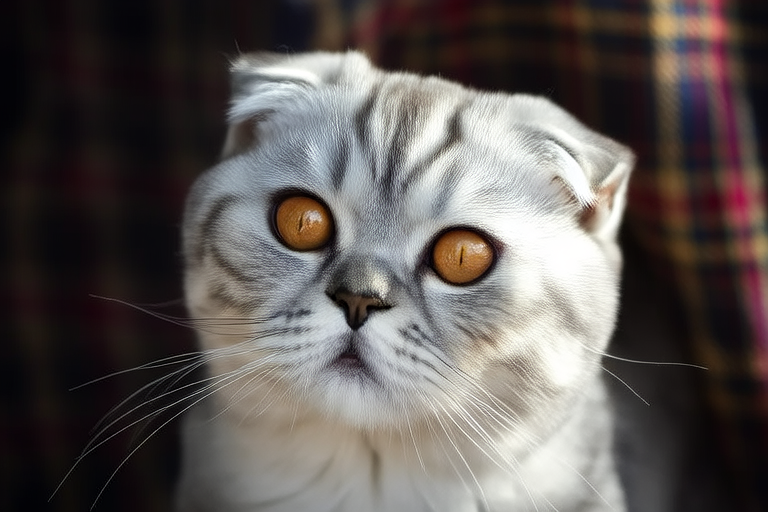
The Curious Tale of Scotland’s Iconic Cat Breed
Scotland, a land steeped in history and mystique, has long been home to a rich tapestry of cultural symbols, from ancient castles to hauntingly beautiful landscapes. Among these symbols, one stands out as particularly endearing and uniquely Scottish: the Kellas cat. This breed, though relatively new to formal recognition, carries with it a legacy that stretches back centuries, intertwining with the very fabric of Scottish society. This article delves into the fascinating history, characteristics, and cultural significance of the Kellas cat, offering an engaging exploration for cat enthusiasts and general readers alike.
A Historical Background of Cat Breeds in Scotland
Cats have been part of Scottish life since ancient times, with archaeological evidence suggesting their presence dating back to the Iron Age. These early felines were primarily valued for their ability to control rodent populations, ensuring the safety and productivity of farms and homes. Over time, cats became more than just functional companions; they were woven into the cultural fabric of Scotland. Folklore and tales often featured cats as mystical creatures, imbued with supernatural powers, further cementing their place in the hearts of the Scots.
By the 19th century, the domestication of cats had progressed significantly. The emergence of cat shows in the Victorian era brought about the formalization of different breeds, each with its own distinct characteristics. However, it was not until the late 20th century that Scotland would claim its own truly indigenous breed—the Kellas cat.
The Origins and Unique Characteristics of the Kellas Cat
The Kellas cat, named after the village of Kellas in Moray, Scotland, where it was first discovered in the 1980s, is a fascinating blend of wild and domestic genetics. Its origins are somewhat shrouded in mystery, with some experts suggesting that it may be a descendant of the European wildcat (Felis silvestris silvestris), which has roamed the Scottish countryside for millennia. Others propose that the Kellas cat is the result of centuries of crossbreeding between domestic cats and wildcats, creating a unique and robust feline.
This breed is known for its striking appearance, characterized by a thick, dense coat that can range from grey to black, with a distinct tabby-like pattern. Their muscular build and agile movements are reminiscent of their wild ancestors, giving them an air of untamed grace. The Kellas cat’s eyes are typically green or yellow, adding to their mysterious allure. These cats are medium to large in size, with males being slightly larger than females.
In addition to their physical attributes, the Kellas cat is also distinguished by its temperament. Known for their independent nature, they are not as affectionate as some other domestic breeds but are highly intelligent and curious. They enjoy exploring their surroundings and can be quite vocal, often communicating with soft meows or chirps. Despite their aloofness, Kellas cats form strong bonds with their human companions and can be loyal and protective.
Myths and Legends Associated with the Kellas Cat
The Kellas cat has captured the imagination of many, and numerous myths and legends have grown around it. One such legend tells of a magical cat that could transform into a human at will, often appearing to unsuspecting travelers as a kindly old woman. Another story speaks of the Kellas cat as a guardian of sacred sites, protecting ancient ruins and hidden treasures from those who would seek to desecrate them. While these tales are undoubtedly fictional, they serve to highlight the deep reverence in which the Kellas cat is held within Scottish folklore.
Environmental Factors Influencing the Breed’s Development
The harsh Scottish climate and rugged terrain have played a significant role in shaping the Kellas cat’s development over the centuries. Living in environments that can be inhospitable, these cats have evolved to be hardy and resilient. Their thick coats provide insulation against cold temperatures, while their agility allows them to navigate rocky landscapes with ease. The abundance of prey in the wild has also contributed to their hunting prowess, making them skilled predators capable of taking down small animals.
Moreover, the isolation of many rural areas has fostered genetic diversity among Kellas cats, leading to a breed that is both adaptable and versatile. This adaptability has been crucial in their survival, allowing them to thrive in a wide range of habitats, from remote highlands to bustling cities.
Temperament, Appearance, and Care Requirements
The Kellas cat’s temperament is a blend of independence and loyalty, making them ideal companions for individuals who appreciate a more reserved yet intelligent pet. Their intelligence means they require mental stimulation, whether through interactive toys or puzzle feeders. They are generally good with children and other pets, provided they are introduced gradually and given space to adjust.
In terms of appearance, the Kellas cat’s coat requires regular grooming to prevent matting and ensure optimal health. A weekly brushing session is usually sufficient, though this may need to be increased during shedding seasons. Their diet should be balanced and nutritious, catering to their active lifestyle. Regular veterinary check-ups are essential to monitor their health and address any potential issues promptly.
The Role of the Kellas Cat in Modern-Day Scotland and Global Recognition
Today, the Kellas cat continues to play a significant role in Scottish culture, serving as a symbol of the country’s natural heritage and resilience. They are often featured in art, literature, and tourism promotions, drawing attention to Scotland’s unique wildlife. The breed’s growing popularity has led to increased interest from cat lovers worldwide, contributing to its global recognition.
Efforts are underway to conserve and promote the Kellas cat, ensuring its continued existence for future generations. Conservation projects focus on maintaining genetic diversity and providing safe habitats for these remarkable creatures. Additionally, responsible breeding practices are encouraged to preserve the distinctive traits that make the Kellas cat so special.
In conclusion, the Kellas cat represents much more than just another cat breed; it embodies the spirit of Scotland—a land of mystery, beauty, and enduring charm. From its humble beginnings to its current status as a beloved icon, the Kellas cat continues to captivate and inspire, reminding us of the enduring bond between humans and animals.
