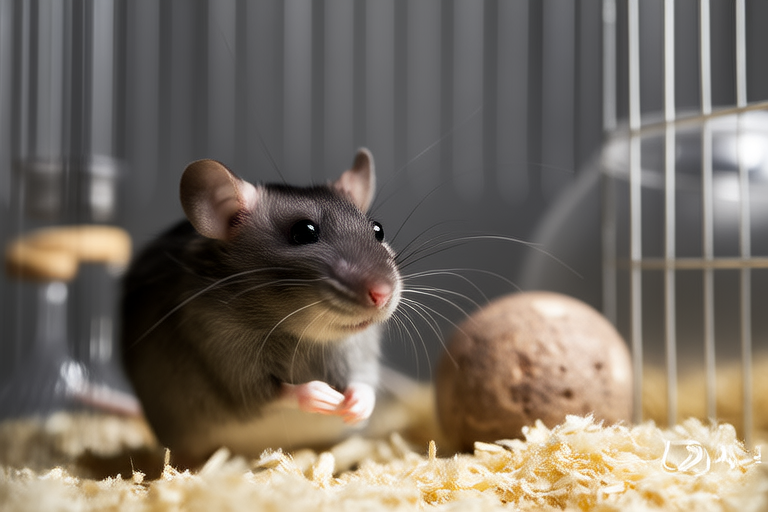
5 Myths Debunked About Owning a Fancy Rat as a Pet
Fancy rats have long been misunderstood, often dismissed as mere pests or relegated to the role of laboratory animals. However, these intelligent, social creatures can make wonderful pets. In this article, we’ll debunk five common myths about owning fancy rats as pets, providing you with the knowledge needed to decide if a fancy rat might be the right pet for you.
Myth 1: Rats Are Dirty and Unhygienic
One of the most pervasive myths about fancy rats is that they are dirty and unhygienic. This misconception stems from their reputation as carriers of disease and their tendency to dig and burrow. However, this couldn’t be further from the truth. Rats are actually very clean animals.
Dr. Sarah Thompson, a veterinarian specializing in exotic pets, explains, “Rats spend a significant portion of their waking hours grooming themselves and each other. They are meticulous about keeping their fur clean and free of debris.” In fact, rats have scent glands that they use to mark territory, but these are not sources of odor; rather, they help them recognize each other.
Proper care, including regular cage cleaning, fresh bedding, and a balanced diet, will ensure your fancy rat remains healthy and hygienic. It’s important to provide them with a clean environment and nutritious food. A well-cared-for rat will not only stay healthy but also contribute positively to your household.
Myth 2: Rats Are Destructive and Difficult to Train
Another myth about fancy rats is that they are destructive and difficult to train. While it’s true that rats have strong teeth and can gnaw through materials, they are not inherently destructive. Instead, they are curious and intelligent animals that need mental stimulation and appropriate outlets for their natural behaviors.
According to Dr. Thompson, “Rats are highly intelligent and can learn tricks and respond to commands when given the proper training.” Just like dogs and cats, rats can be trained to come when called, sit on command, and even perform simple tricks. Training sessions should be short, fun, and rewarding, using treats and positive reinforcement.
Providing your fancy rat with chew toys, tunnels, and other enrichment items can help satisfy their curiosity and prevent destructive behavior. These activities not only keep your rat entertained but also promote mental health and well-being. With patience and consistency, you can enjoy a well-behaved and bonded pet rat.
Myth 3: Rats Are Solitary Animals
It’s commonly believed that rats are solitary animals and do not enjoy the company of others. However, this is another misconception. Rats are highly social creatures that thrive in the presence of companions. In the wild, they live in groups and form complex social structures. This social nature extends to domesticated fancy rats as well.
Dr. Thompson emphasizes, “Rats are naturally social animals that benefit greatly from having a companion. They enjoy interacting with each other and can become stressed or lonely if kept alone.” Providing your fancy rat with a suitable companion can enhance their quality of life and reduce stress-related behaviors.
When introducing new rats to each other, it’s important to do so gradually and under supervision. Allow them to get used to each other’s scents before direct interaction. Once they’ve established a bond, you’ll notice increased playfulness, mutual grooming, and overall happiness in your pets.
Myth 4: Rats Have Special Dietary Needs That Are Expensive to Meet
The idea that rats have special dietary needs that are expensive to meet is another common myth. While it’s true that fancy rats require a balanced diet, there are many affordable options available to meet their nutritional requirements. The key is to provide a variety of foods that offer essential nutrients.
Dr. Thompson advises, “A good diet for fancy rats includes a high-quality commercial rat food, fresh vegetables, and occasional fruits. Avoid feeding them foods high in sugar or fat, as these can lead to health issues.” You can supplement their diet with small amounts of cooked egg, cheese, and lean meat. Additionally, offering treats like nuts and seeds can add variety and enjoyment for your rat.
Many pet stores carry specialized rat food that is nutritionally complete and easy to find. Homemade diets can also be formulated with guidance from a veterinarian. By providing a varied and balanced diet, you can ensure your fancy rat stays healthy and happy without breaking the bank.
Myth 5: Rats Have a Short Lifespan
Finally, the belief that rats have a short lifespan is a common misconception. While it’s true that fancy rats have shorter lifespans compared to some other pets, they still have a respectable life expectancy of two to three years. This relatively short lifespan means that you can enjoy a close bond with your pet over several years.
Dr. Thompson notes, “With proper care, fancy rats can live up to three years. This gives you ample time to build a strong relationship with your pet and enjoy their unique personality.” During their lifetime, rats can experience various stages of growth and development, making each stage a new adventure for both you and your pet.
To maximize your fancy rat’s lifespan, it’s crucial to provide them with a healthy diet, regular veterinary check-ups, and a stimulating environment. Early detection and treatment of health issues can significantly improve their quality of life and extend their lifespan.
A Call to Action
We hope this article has helped dispel some of the myths surrounding fancy rats as pets. If you’re considering adopting a fancy rat, remember that they are intelligent, social, and rewarding companions. With proper care and attention, you can enjoy a fulfilling relationship with your pet rat.
Before bringing a fancy rat into your home, it’s important to research and prepare adequately. Consider the time and resources required to provide a comfortable and enriching environment for your pet. Additionally, look into local shelters and rescue organizations for adoption opportunities.
By adopting a fancy rat responsibly, you’re not only gaining a loyal and affectionate companion but also contributing to the welfare of these wonderful animals. We encourage you to explore the possibility of welcoming a fancy rat into your family and experiencing the joy and companionship they bring.
