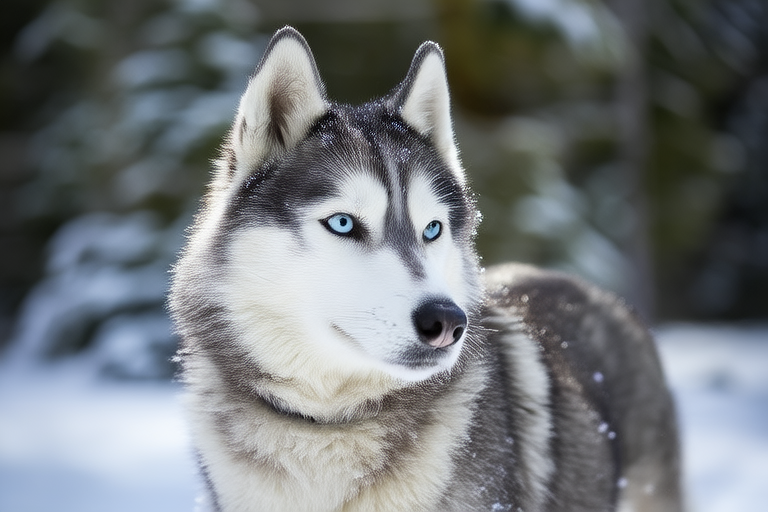
Siberian Huskies Unveiled: Debunking Myths About This Enigmatic Breed
Introduction
Siberian Huskies are one of the most recognizable dog breeds in the world, known for their striking blue eyes and thick coats. Originating from the Chukchi people of northeastern Asia, these dogs were initially bred as sled dogs, capable of pulling heavy loads over long distances in harsh, icy conditions. Their endurance, resilience, and strength have made them invaluable companions for centuries.
Despite their popularity, many misconceptions surround Siberian Huskies. This article aims to debunk some of these myths while providing an in-depth look at the breed’s history, characteristics, and care requirements. Whether you’re a seasoned owner or considering adopting a Siberian Husky, understanding the facts can help ensure a happy and healthy relationship with your furry friend.
Myth 1: Siberian Huskies Are Aggressive
One of the most common misconceptions about Siberian Huskies is that they are aggressive. In reality, Siberian Huskies are typically friendly and gentle dogs. They were originally bred to work closely with humans, including children, and their temperament reflects this cooperative nature. Dr. James Serpell, a professor of ethics and animal welfare at the University of Pennsylvania, notes that Siberian Huskies are generally more sociable and less likely to exhibit aggressive behavior compared to other working breeds.
However, like any breed, proper socialization and training are crucial. Early exposure to various environments, people, and situations can help ensure your Siberian Husky grows into a well-rounded and confident adult dog.
Myth 2: Siberian Huskies Require Constant Exercise
Another myth is that Siberian Huskies need constant exercise to be happy. While it’s true that they are an active breed, their exercise needs are manageable with the right balance. Siberian Huskies thrive on regular walks and playtime, but they are also adaptable and can adjust to different living situations. The American Kennel Club (AKC) recommends at least one hour of moderate exercise daily, which can include walking, running, or playing in a safe, enclosed area.
It’s important to note that excessive exercise can lead to burnout or injury, especially for young puppies whose bones and joints are still developing. Providing mental stimulation through interactive toys and games can also help meet their energy needs without overexertion.
Physical Traits
Siberian Huskies are medium-sized dogs with a distinctive appearance. They have thick, double-layered coats that come in various colors, including black and white, gray and white, red and white, and pure white. Their eyes are usually almond-shaped and can be blue, brown, or a combination of both, a trait known as heterochromia. These dogs have strong, muscular bodies designed for endurance and agility.
One of the most notable features of Siberian Huskies is their ability to withstand cold temperatures. Their thick coats and dense undercoat provide excellent insulation against the elements. However, their coats also require regular grooming to prevent matting and skin issues. Weekly brushing is recommended, with more frequent sessions during shedding seasons.
Health Concerns
Like all breeds, Siberian Huskies are prone to certain health issues. Some of the most common conditions include:
- Canine Hip Dysplasia: A genetic disorder affecting the hip joint, leading to pain and reduced mobility. Regular veterinary check-ups and maintaining a healthy weight can help manage this condition.
- Cataracts: A clouding of the eye lens that can affect vision. Early detection and treatment can help slow its progression.
- Progressive Retinal Atrophy (PRA): An inherited disease causing progressive loss of vision. Genetic testing can identify carriers and prevent breeding affected individuals.
Regular vet visits, a balanced diet, and appropriate exercise can help maintain your Siberian Husky’s overall health. Consultation with a veterinarian specializing in canine genetics can also provide valuable insights into managing hereditary conditions.
Dietary Needs
A balanced diet is essential for the health and longevity of your Siberian Husky. High-quality dog food formulated for large breeds is recommended, focusing on lean proteins and complex carbohydrates. Avoid foods high in fillers and artificial additives, which can contribute to obesity and other health issues.
Due to their high activity levels, Siberian Huskies may require more calories than less active breeds. However, portion control is vital to prevent weight gain. Consult with your veterinarian to determine the appropriate amount of food based on your dog’s age, size, and activity level.
In addition to commercial dog food, some owners choose to supplement their Siberian Husky’s diet with raw meat or cooked vegetables. Always consult with your veterinarian before introducing new foods to ensure they are safe and nutritionally balanced.
Advice for Potential Owners
Adopting a Siberian Husky is a significant commitment, requiring time, effort, and financial resources. Before bringing one home, consider the following:
- Research: Learn as much as possible about the breed’s history, temperament, and care requirements. Understanding what to expect can help you prepare for the challenges and rewards of ownership.
- Training: Positive reinforcement techniques work best with Siberian Huskies. Consistency and patience are key to establishing clear boundaries and expectations.
- Exercise: Provide regular opportunities for your dog to expend energy. This can include walks, runs, or playtime in a secure area.
- Grooming: Establish a grooming routine to keep your dog’s coat and skin healthy. Regular brushing helps prevent matting and removes loose hair.
- Veterinary Care: Schedule routine check-ups and vaccinations. Stay informed about potential health issues and discuss preventive measures with your veterinarian.
Conclusion
Siberian Huskies are fascinating and rewarding companions, but they are not for everyone. By understanding the facts and dispelling common myths, you can make an informed decision about whether this breed is right for you. With proper care, training, and attention, Siberian Huskies can bring years of joy and companionship to their families.
If you’re interested in learning more about Siberian Huskies, consider joining local dog clubs or online forums where you can connect with experienced owners and enthusiasts. Books, articles, and documentaries can also provide valuable insights into the breed’s history, behavior, and care.
Remember, every dog is unique, and what works for one may not work for another. Take the time to get to know your Siberian Husky and tailor your approach to meet their individual needs. With love, patience, and dedication, you can build a strong and lasting bond with your four-legged friend.
