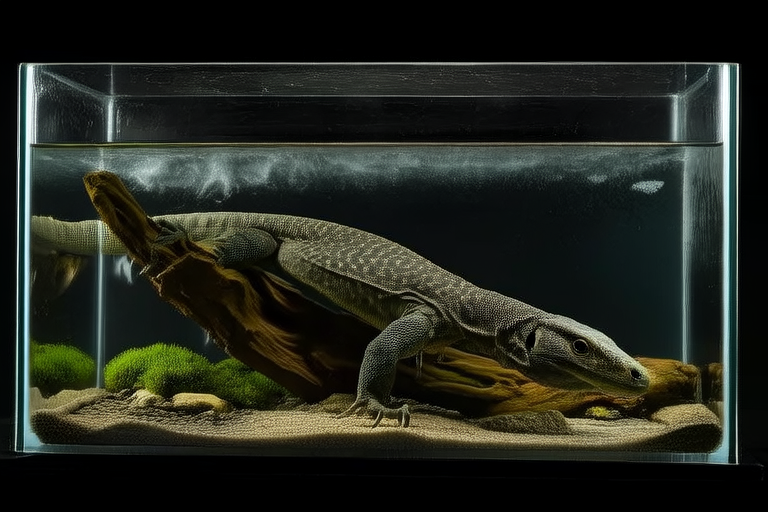
How to Create the Perfect Habitat for Your Aquatic Companion: The Water Monitor
The Water Monitor (Varanus salvator) is one of the largest lizards in the world, known for its aquatic prowess and unique behavior. As a pet, it requires a specialized habitat that mimics its natural environment to ensure its well-being. This article will guide you through creating the perfect habitat for your aquatic companion, covering tank size and setup, water quality maintenance, temperature and lighting requirements, substrate and decorations, diet and feeding schedule, and tips for maintaining overall health and enrichment activities.
Tank Size and Setup
Aquatic companions like the Water Monitor need a spacious environment that allows them ample room to swim, bask, and explore. A juvenile Water Monitor can be housed in a 75-gallon tank, but as they grow, the tank size must increase significantly. Adult monitors require a minimum of 180 gallons or more, with dimensions allowing for both swimming space and land area.
The tank setup should include a deep water section with a sloping ramp leading to a dry land area. The water depth should be at least twice the length of the monitor’s body, ensuring adequate swimming space. Use a powerful filtration system capable of handling the volume of water and maintaining cleanliness. Additionally, incorporate a basking area with a secure platform that can support the weight of the monitor and provide easy access to the water.
Water Quality Maintenance
Maintaining optimal water quality is crucial for the health of your Water Monitor. Regularly test the water parameters for pH, ammonia, nitrite, and nitrate levels. Aim for a pH between 6.5 and 7.5, with zero detectable ammonia and nitrite, and low nitrate levels. Perform weekly water changes, replacing approximately 25% of the water each time, and ensure proper filtration to prevent the buildup of harmful substances.
Use dechlorinated water for all water changes. Consider using an aquarium salt mix designed for reptiles to help maintain water quality and reduce stress. Regular cleaning of the tank, including the filter and decorations, is also necessary to prevent bacterial growth and ensure a healthy environment.
Temperature and Lighting Requirements
Water Monitors thrive in warm environments. Maintain a water temperature between 82°F and 86°F (28°C to 30°C) using submersible heaters. Ensure the heater is placed in a corner of the tank to avoid direct contact with the monitor. Install a thermostat to regulate the heater and prevent overheating.
The basking area should have a temperature gradient, ranging from 95°F to 110°F (35°C to 43°C), provided by a high-wattage heat lamp or ceramic heat emitter. Position the heat source so that the monitor can choose its preferred temperature spot. Use a digital thermometer to monitor the temperature accurately. Additionally, provide UVB lighting for 10-12 hours daily to aid in calcium absorption and overall health. Ensure the UVB bulb is positioned close enough to the basking area for effective exposure.
Suitable Substrate and Decorations
Selecting the right substrate is important for both aesthetics and functionality. Use a substrate that is easy to clean and does not pose ingestion risks. Options include large river rocks, aquarium gravel, or a combination of both. Avoid substrates that can cause impaction if ingested, such as sand or small pebbles.
Incorporate various decorations to enrich the environment and provide hiding spots. Use sturdy branches, driftwood, and cork bark to create climbing opportunities and enhance the naturalistic appearance of the tank. Ensure all decorations are securely anchored to prevent tipping or falling. Add aquatic plants, both real and artificial, to create a more natural setting and improve water quality. Decorative caves or hollow logs can serve as additional hiding places.
Ideal Diet and Feeding Schedule
Water Monitors are carnivorous and require a varied diet rich in protein. Their diet should consist primarily of commercially available feeder insects, such as crickets, mealworms, and superworms. Supplement their diet with occasional rodent prey, such as mice or rats, to meet their nutritional needs. Feed adult monitors once every two to three days, while juveniles may require daily feedings.
Vary the types of food offered to ensure a balanced diet. Offer food items in a shallow dish or on a platform to prevent water contamination. Monitor their eating habits and adjust the frequency and quantity based on their activity level and body condition. Provide fresh water in a shallow bowl, changing it daily to ensure cleanliness and hydration.
Tips for Maintaining Overall Health and Enrichment Activities
Regular health checks are essential to catch any potential issues early. Look for signs of illness, such as lethargy, loss of appetite, or abnormal skin conditions. Consult a veterinarian specializing in reptiles if you notice any concerning symptoms. Keep a record of feeding schedules, shedding cycles, and any behavioral changes to track the monitor’s overall health.
Enrichment activities can stimulate mental and physical exercise, enhancing the quality of life for your Water Monitor. Rotate toys and objects periodically to keep the environment engaging. Introduce new stimuli, such as floating platforms or interactive puzzles, to encourage exploration and problem-solving. Provide opportunities for swimming and climbing, ensuring the tank setup promotes these behaviors. Regular handling and interaction can also strengthen the bond between you and your monitor.
