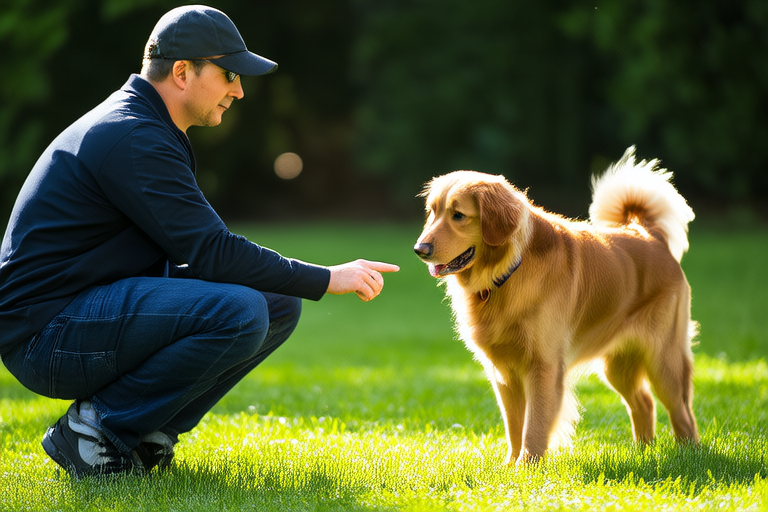
How to Train Your German Shepherd: Expert Tips and Tricks
German Shepherds are intelligent, loyal, and versatile dogs that have been bred for centuries to serve as working companions. Whether you’re a novice or an experienced owner, training your German Shepherd requires patience, consistency, and the right approach. This guide provides expert tips and tricks to help you train your German Shepherd effectively.
Understanding Basic Commands
Training your German Shepherd starts with teaching them basic commands. These commands form the foundation of communication between you and your dog. Start with simple commands like ‘sit,’ ‘stay,’ ‘come,’ and ‘down.’ Use treats and praise to reinforce these behaviors. For example, when teaching ‘sit,’ hold a treat above their nose and gradually move it back towards their tail, prompting them to sit. As soon as they sit, give them the treat and praise them enthusiastically.
Professional trainer Sarah Johnson advises, “Consistency is key. Make sure everyone in the household uses the same commands and rewards system. This helps prevent confusion for the dog.”
Establishing Leadership
To establish yourself as the leader, it’s important to set clear boundaries and rules from the beginning. German Shepherds are pack animals and need guidance from a strong leader. Avoid giving your dog too much freedom by allowing them to jump on furniture or beg for food. Instead, create a routine that includes designated feeding times and areas where they can rest.
Dr. Mark Davis, a canine behaviorist, suggests, “Be firm but fair. Show your dog that you’re in charge without being harsh. This builds trust and respect.”
Positive Reinforcement Techniques
Positive reinforcement is one of the most effective training methods for German Shepherds. It involves rewarding desired behaviors with treats, praise, or toys. The goal is to encourage your dog to repeat these behaviors. For instance, if your dog responds well to a command, immediately reward them with a treat and lots of affection.
Expert trainer Lisa Brown recommends, “Timing is crucial. Reward your dog as soon as they perform the desired action. This helps them associate the behavior with the reward.”
Socialization Methods
Socializing your German Shepherd is essential for their emotional and behavioral development. Expose them to different environments, people, and other animals from a young age. This helps them become confident and well-adjusted. Take your puppy to parks, pet stores, and dog-friendly cafes. Introduce them to children, adults, and even other pets.
Trainer John Smith emphasizes, “Socialization should be a fun and positive experience. Always ensure your dog feels safe and comfortable during these interactions.”
Common Behavioral Issues and Solutions
Despite proper training, some behavioral issues may arise. Separation anxiety, excessive barking, and chewing are common problems. Address these issues promptly and consistently. For separation anxiety, start by leaving your dog alone for short periods and gradually increase the time. Distract them with interactive toys or puzzles to keep them occupied while you’re away.
For excessive barking, teach your dog a ‘quiet’ command. When they bark, say ‘quiet’ and wait for them to stop. Once they do, reward them with a treat. Consistency is vital in addressing these issues.
Physical Exercise Requirements
German Shepherds are high-energy dogs that require regular physical activity. Daily walks, runs, and play sessions are necessary to keep them healthy and happy. Aim for at least 60 minutes of exercise per day. Incorporate activities like fetch, frisbee, and agility training to stimulate their mind and body.
Veterinarian Dr. Emily White advises, “Exercise not only keeps your dog physically fit but also helps manage their behavior. A tired dog is often a well-behaved dog.”
Mental Stimulation Activities
In addition to physical exercise, mental stimulation is equally important for German Shepherds. Engage your dog in puzzle toys, obedience training, and scent work. These activities challenge their problem-solving skills and provide mental enrichment.
Behavioral therapist Dr. Linda Green suggests, “Rotate toys and games to keep things interesting. Variety prevents boredom and keeps your dog mentally sharp.”
Diet Considerations for Optimal Training Results
A balanced diet is crucial for your German Shepherd’s overall health and well-being. High-quality dog food that meets their nutritional needs is essential. Consult with your veterinarian to determine the appropriate amount and type of food for your dog based on their age, weight, and activity level.
Dr. Karen Lee, a nutritionist specializing in canine diets, notes, “Avoid overfeeding and providing unhealthy snacks. Obesity can lead to various health issues and affect their ability to learn and respond to training.”
Conclusion
Training your German Shepherd is a rewarding journey that strengthens the bond between you and your furry companion. By understanding basic commands, establishing leadership, using positive reinforcement, socializing your dog, addressing behavioral issues, ensuring adequate physical and mental exercise, and maintaining a balanced diet, you’ll set your German Shepherd up for success. Remember, every dog is unique, so tailor your approach to suit your individual pet’s needs.
With dedication and patience, you’ll enjoy a well-trained and happy German Shepherd that brings joy and companionship into your life.
