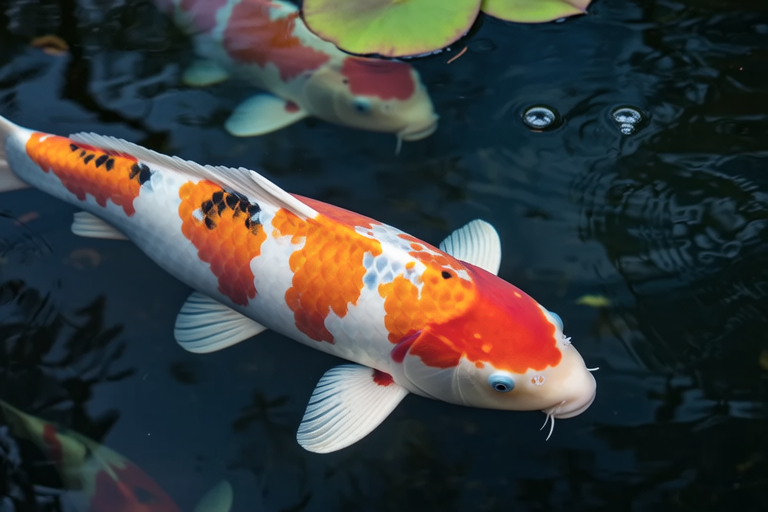
Exploring Koi Fish: Hidden Behaviors, Unique Habitats, and Symbolism
Koi fish, also known as Nishikigoi, are renowned for their vibrant colors and graceful swimming. Beyond their aesthetic appeal, these freshwater fish possess a wealth of fascinating behaviors and characteristics that make them captivating subjects for both novice and experienced aquarists.
Hidden Behaviors and Social Structures
Koi fish exhibit complex social structures and behaviors that are often overlooked. They are highly social creatures, forming tight-knit groups known as schools. Within these schools, koi establish a clear hierarchy, with dominant individuals leading the group. This leadership is usually determined by size and age, with larger and older fish taking precedence.
Communication among koi is subtle but effective. They use body language, such as fin displays and tail movements, to convey messages. For instance, a flick of the tail can signal alarm or aggression, while a slow, deliberate swim may indicate curiosity or exploration. Additionally, koi produce low-frequency sounds through their swim bladders, which can be used to communicate during breeding or territorial disputes.
Unique Habitats and Environmental Adaptations
Koi thrive in various aquatic environments, from small ponds to large lakes. They prefer cool, well-oxygenated water with plenty of vegetation for cover and food. Their natural habitat includes rivers and streams with abundant algae and insects, providing ample sustenance. In captivity, koi ponds should mimic these conditions as closely as possible, ensuring optimal health and longevity.
Seasonal changes significantly impact koi behavior and physiology. During colder months, koi become less active and may hibernate at the bottom of the pond, conserving energy until warmer temperatures return. Conversely, in spring and summer, they are more active, feeding voraciously and engaging in courtship rituals.
Feeding Habits and Seasonal Activities
Feeding habits vary depending on the time of year. In spring and summer, when water temperatures exceed 60°F (15°C), koi require protein-rich foods like pellets or live insects. As winter approaches and temperatures drop below 50°F (10°C), their metabolism slows, and they switch to plant-based diets, such as algae and aquatic plants.
During breeding season, typically in late spring, male koi develop tubercles, small bumps on their heads and pectoral fins, used to stimulate females during courtship. Females release thousands of eggs, which are fertilized externally by males. After spawning, parents do not care for the offspring, leaving them vulnerable to predation.
History and Symbolism in Different Cultures
The history of koi fish dates back centuries, with origins in ancient China. Over time, they were introduced to Japan, where they became symbols of perseverance, courage, and good fortune. The Japanese word “koi” translates to “carp,” and the term “Nishikigoi” refers to ornamental varieties bred for color and pattern.
In Chinese culture, koi symbolize ambition and success, particularly in relation to career achievements. Legend has it that a koi who successfully swims upstream against strong currents transforms into a dragon, embodying the triumph over adversity. Similarly, in Japanese folklore, koi represent strength and determination, often depicted leaping over waterfalls.
Caring for Koi Fish
To ensure your koi remain healthy and thrive in various pond conditions, follow these essential care tips:
- Pond Maintenance: Regularly clean the pond, removing debris and excess algae. Ensure proper filtration and aeration systems are in place to maintain water quality.
- Water Quality: Test water parameters regularly, including pH, ammonia, nitrite, and nitrate levels. Maintain optimal conditions by adjusting pH between 7.2 and 8.0 and keeping ammonia and nitrite levels at zero.
- Feeding: Provide a balanced diet tailored to the season. Offer high-protein foods during warmer months and switch to plant-based options in colder weather.
- Protection: Protect koi from predators, such as herons and raccoons, by installing netting or motion-activated sprinklers around the pond.
- Winter Care: Prepare for colder temperatures by reducing feeding frequency and depth, ensuring adequate oxygen supply, and insulating the pond if necessary.
Conclusion
Koi fish are more than just beautiful additions to any pond; they are intelligent, social animals with rich histories and cultural significance. By understanding their behaviors, habitats, and needs, you can provide optimal care and create an environment where they can flourish. Whether you’re a seasoned enthusiast or a newcomer to the world of koi, there’s always something new to learn about these fascinating creatures.
