The Ultimate Guide to Training Your Corgi: Tips from Expert Dog Trainers
Understanding Corgi Behavior
Welsh Corgis, with their distinctive appearance and lively personalities, are beloved by many. However, to effectively train your Corgi, it’s essential to understand their unique behaviors. Corgis are intelligent, independent, and highly energetic dogs. They were originally bred as herding dogs, which means they have a strong instinct to chase and herd other animals.
Expert trainer Sarah Thompson advises, “Recognizing your Corgi’s natural instincts is key. For instance, if you notice your Corgi chasing after small animals or children, it’s not out of malice but rather because of its herding heritage.” Understanding these behaviors helps in setting appropriate expectations and creating a training plan that leverages their strengths.
Basic Training Commands
Training your Corgi starts with mastering basic commands. These include ‘sit,’ ‘stay,’ ‘come,’ ‘down,’ and ‘heel.’ Each command plays a crucial role in ensuring your Corgi behaves appropriately in various situations.
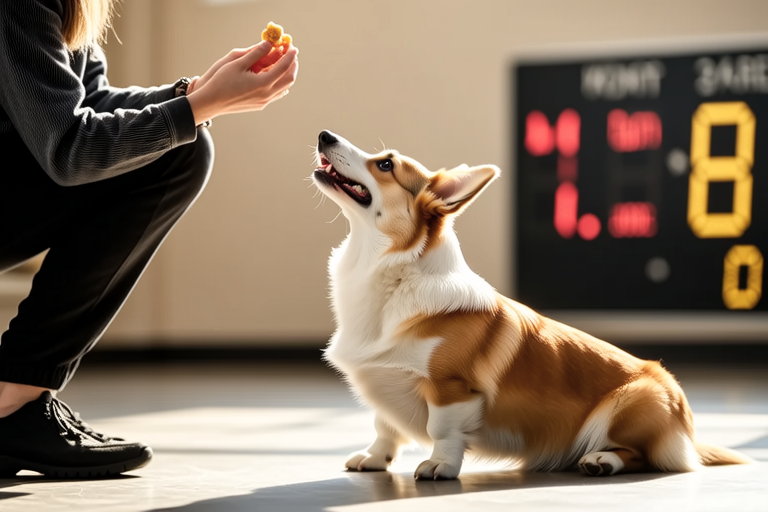
Begin with ‘sit.’ Hold a treat above your Corgi’s head and move it slightly backward. As your Corgi looks up and follows the treat, its bottom will naturally lower. Once it sits, say “Sit!” and reward immediately with praise and the treat. Repeat this process several times daily until your Corgi responds to the command without the need for the treat.
For ‘stay,’ once your Corgi is sitting, extend your hand palm forward and say “Stay!” Take a few steps back and return to your Corgi, rewarding them for remaining in place. Gradually increase the distance and time before returning.
‘Come’ can be challenging for some Corgis due to their independent nature. Use a recall whistle or a specific sound to get your Corgi’s attention. When they look at you, say “Come!” and reward them for approaching.
Advanced Training Techniques
Once your Corgi has mastered basic commands, it’s time to explore more advanced techniques. These include agility training, scent work, and even learning how to fetch.
Agility training involves teaching your Corgi to navigate obstacles like jumps, tunnels, and weave poles. This not only enhances their physical fitness but also strengthens the bond between you and your dog. Trainer Mark Johnson recommends starting with simple obstacles and gradually increasing the complexity.
Scent work is another enriching activity that taps into your Corgi’s natural instincts. Hide treats or toys around your home or yard and encourage your Corgi to find them. This exercise stimulates their mind and provides mental stimulation.
Common Challenges and Solutions
Despite their intelligence, Corgis can present certain challenges during training. One common issue is stubbornness. Due to their independent nature, they may sometimes ignore commands or refuse to comply.
Dealing with stubbornness requires patience and consistency. Trainer Emily Carter suggests, “If your Corgi isn’t responding to a command, try breaking it down into smaller steps. For example, if they won’t stay, start by having them sit for just a few seconds before moving to longer durations.”
Another challenge is excessive barking. Corgis tend to bark when they’re excited or bored. To address this, ensure your Corgi gets plenty of exercise and mental stimulation. Teach them the ‘quiet’ command by saying “Quiet!” and rewarding them when they stop barking.
The Importance of Positive Reinforcement
Positive reinforcement is a cornerstone of effective dog training. It involves rewarding desired behaviors with treats, praise, or playtime. This method encourages your Corgi to repeat those behaviors in the future.
Expert trainer Lisa Martinez emphasizes, “Positive reinforcement builds trust and strengthens the bond between you and your Corgi. It also makes training sessions enjoyable for both of you. Avoid punishment-based methods, as they can lead to fear and aggression.”
For instance, when teaching your Corgi to ‘sit,’ reward them with a treat and enthusiastic praise every time they successfully follow the command. Over time, reduce the frequency of treats while maintaining verbal praise.
Exercise Needs
Corgis are energetic dogs that require regular exercise to maintain their physical and mental health. Lack of adequate exercise can lead to behavioral issues such as chewing, digging, and excessive barking.
Dr. John Lee, a veterinarian specializing in canine fitness, advises, “Corgis need at least one hour of moderate exercise daily. This can include walks, playtime in a securely fenced area, or interactive games like fetch.”
Incorporating varied activities keeps your Corgi engaged and prevents boredom. Consider combining short, brisk walks with play sessions that involve running and fetching. Additionally, engage in agility training or participate in organized dog sports.
Dietary Considerations for Optimal Training Results
Consult with your veterinarian to determine the appropriate amount of food and type of diet based on your Corgi’s age, weight, and activity level. Avoid overfeeding, as obesity can lead to joint problems and reduced mobility, making it harder for your Corgi to participate in training exercises.
Additionally, consider using treats that are specifically designed for training purposes. These treats are typically small and calorie-dense, making them ideal for rewarding good behavior without contributing to excessive weight gain.
