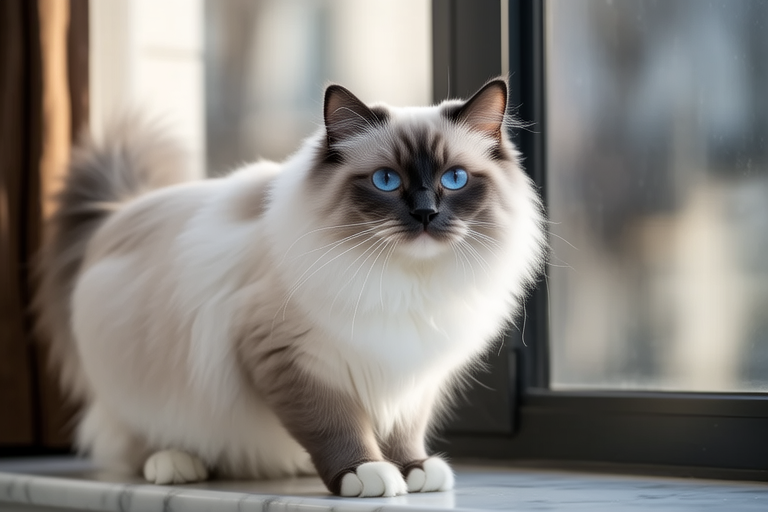
Unleashing the Grace and Intelligence of the Turkish Angora
The Turkish Angora, a breed steeped in history and elegance, has captivated the hearts of cat lovers worldwide. Originating from the Ankara region of central Turkey, this breed boasts a rich legacy that dates back centuries. Historically, the Turkish Angora was favored by Ottoman royalty, who cherished these cats for their beauty and grace. Their presence in palaces and harems elevated their status, making them symbols of luxury and refinement.
A Royal Heritage
The Turkish Angora’s origins can be traced back to the ancient Anatolian civilization, where it was revered for its agility and poise. The breed’s name, “Angora,” is derived from the city of Ankara (formerly known as Angora), which has been a hub for textile production since the Middle Ages. This connection to textiles is fitting, given the breed’s luxurious coat. The Turkish Angora’s elegance and regal bearing made it a favorite among the nobility, further cementing its place in history.
Elegant Grace and Distinctive Appearance
One cannot help but admire the Turkish Angora’s striking appearance. These cats are medium-sized with long, slender bodies that exude elegance. Their legs are long and fine, giving them a graceful gait, while their tails are plumed and flowing. The Turkish Angora’s head is triangular, with large, pointed ears that enhance their alert and intelligent expression.
Perhaps the most notable feature of the Turkish Angora is its coat. Known for its silky texture, the coat is semi-longhaired and comes in a variety of colors, including white, black, red, and tabby patterns. However, the breed is particularly renowned for its pure white coats, which are often associated with the breed’s royal lineage. The coat’s texture is soft to the touch, and its length varies slightly depending on the season. In winter, the coat thickens to provide warmth, while in summer, it thins out to keep the cat cool.
Another defining characteristic of the Turkish Angora is its eye color. While some Turkish Angoras have striking green or gold eyes, the breed is famous for its blue eyes or the rare odd-eyed trait, where one eye is blue and the other is a different color. This unique combination adds to the breed’s allure, making each Turkish Angora a truly one-of-a-kind feline.
Intelligence and Playful Nature
Beyond their physical beauty, Turkish Angoras are known for their high intelligence and playful demeanor. These cats are curious and inquisitive, always ready to explore their surroundings. They enjoy interactive play and are quick learners, making them ideal companions for those who appreciate an active and engaged pet. Their intelligence also makes them adept problem-solvers, often finding creative ways to open doors or reach treats.
Turkish Angoras are highly adaptable, thriving in various living environments. Whether in a bustling city apartment or a quiet countryside home, they adjust well to their surroundings. Their adaptability is complemented by their friendly and sociable personalities, making them excellent companions for families and individuals alike. They form strong bonds with their human family members and enjoy being part of household activities.
Despite their playful nature, Turkish Angoras retain a certain level of dignity and reserve, which adds to their charm. They are not overly demanding but prefer to be included in family life. Their hunting instincts remain sharp, even if they are indoor pets. They enjoy chasing toys and can be quite proficient at catching small prey, such as insects or birds.
Health Considerations
While generally healthy, Turkish Angoras are prone to certain genetic conditions. One of the most common issues is hypertrophic cardiomyopathy (HCM), a heart condition that can affect many breeds of cats. Regular veterinary check-ups are essential to monitor the cat’s heart health and catch any signs of HCM early. Another concern is patellar luxation, a condition where the kneecap dislocates. Early intervention can prevent complications and improve the cat’s mobility.
In addition to these specific health concerns, Turkish Angoras are susceptible to hairballs due to their long coats. Regular grooming helps reduce the risk of hairballs and keeps the coat healthy and free of tangles. Providing a high-quality diet that includes fiber can also aid in digestion and reduce hairball formation.
Grooming and Dietary Needs
Grooming a Turkish Angora is relatively straightforward, thanks to their semi-longhair coat. Regular brushing, ideally daily, helps remove loose hair and prevents matting. A slicker brush or comb is recommended to detangle the fur gently. Bathing is usually unnecessary unless the cat gets excessively dirty, but keeping the litter box clean and providing plenty of water will help maintain good hygiene.
Dietary requirements for Turkish Angoras are similar to those of other cats. A balanced diet rich in protein, vitamins, and minerals is essential for maintaining their health and vitality. High-quality commercial cat food, either wet or dry, is suitable, provided it meets the breed’s nutritional needs. Some owners choose to supplement their cat’s diet with raw or cooked meat, but this should be done under the guidance of a veterinarian to ensure proper nutrition and safety.
Caring for Your Turkish Angora
For potential owners, caring for a Turkish Angora requires attention to both physical and emotional needs. Providing a stimulating environment filled with toys and scratching posts encourages physical activity and mental engagement. Interactive play sessions are vital for maintaining the cat’s fitness and preventing boredom.
Social interaction is equally important. Turkish Angoras thrive on companionship and enjoy spending time with their human family. Engaging in regular play, petting, and conversation fosters a strong bond between owner and cat. Their sociable and affectionate nature makes them ideal companions for those who appreciate a close relationship with their pets.
Training a Turkish Angora can be rewarding, though it requires patience and consistency. Positive reinforcement techniques, such as treats and praise, work well for teaching basic commands and encouraging good behavior. Early socialization is crucial for ensuring the cat adapts well to new people and environments.
When considering adding a Turkish Angora to your family, it is important to research reputable breeders and adopt from shelters when possible. Ensuring the cat’s health and well-being from the outset sets the foundation for a long and fulfilling companionship.
In conclusion, the Turkish Angora is a breed that combines elegance, intelligence, and affection, making it a standout choice for cat enthusiasts. With their royal heritage, striking appearance, and playful nature, these cats offer a unique and rewarding experience for their owners. By understanding and meeting their specific needs, you can ensure a happy and healthy life for your Turkish Angora companion.
