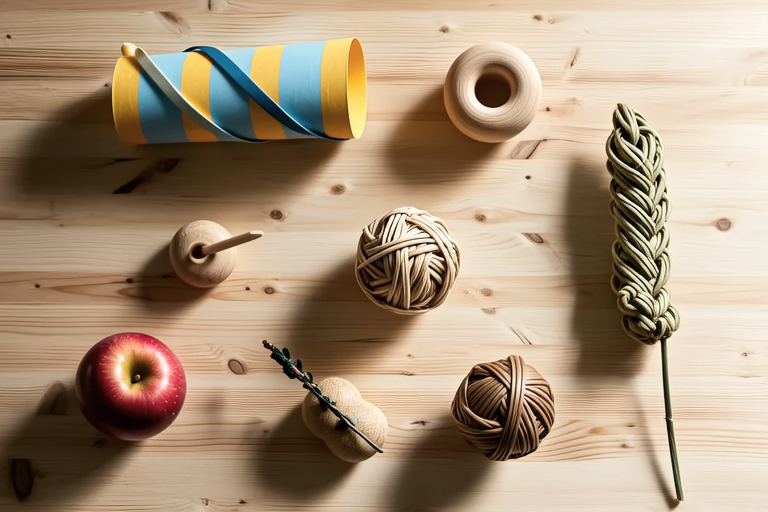
Top 10 Toys That Will Keep Your Chinchilla Happy and Active
Chinchillas are small, inquisitive rodents known for their thick, luxurious fur and playful nature. However, like all animals, they require both mental and physical stimulation to thrive. Without adequate engagement, chinchillas can become bored, leading to behavioral issues such as chewing on cage bars or overgrooming. Providing them with a variety of toys not only keeps them entertained but also helps maintain their physical health by encouraging natural behaviors such as gnawing and climbing. This article explores ten top toys designed specifically for chinchillas, ensuring they remain happy and active.
1. Wooden Chew Toys
Wooden chew toys are essential for chinchillas because they help wear down their continuously growing teeth. These toys are typically made from untreated wood, ensuring no harmful chemicals are ingested. The natural wood texture provides a satisfying chewing experience that mimics the wild environment where chinchillas naturally chew on branches. They also come in various shapes and sizes, allowing for different angles of gnawing. Ensure the wood is free of splinters and replace any worn-out pieces promptly to prevent ingestion hazards. Regular inspection and cleaning are necessary to keep these toys safe and hygienic.
2. Ladders and Platforms
Ladders and platforms offer chinchillas the opportunity to explore their environment vertically, which is crucial for their well-being. These structures provide a stimulating challenge as they navigate up and down, promoting agility and coordination. Platforms can be connected to the cage walls or placed within the enclosure for additional height variation. Look for options that are sturdy enough to support the chinchilla’s weight without bending or collapsing. Non-toxic materials are essential to avoid any potential poisoning risks. Regularly check the integrity of the ladders and platforms to ensure they remain safe for play.
3. Hideouts and Tunnels
Hideouts and tunnels provide chinchillas with a sense of security and privacy, simulating the burrowing behavior they exhibit in the wild. These items come in various forms, including cardboard tubes, plastic igloos, or wooden hideaways. They encourage exploration and hide-and-seek games, which are particularly beneficial for socialization. When choosing hideouts, consider those that are easy to clean and disinfect to maintain hygiene. Always supervise your chinchilla during playtime and remove any damaged parts immediately to prevent accidents.
4. Sisal Rope Balls
Sisal rope balls are excellent for chinchillas because they combine elements of play and exercise. The rough surface of sisal rope stimulates the chinchilla’s paws and encourages natural behaviors such as scratching and rolling. Additionally, these toys can be used for tossing games, enhancing motor skills and coordination. Choose ropes made from natural fibers to avoid synthetic materials that could cause irritation or harm if ingested. Inspect the ropes regularly for signs of fraying or unraveling, replacing them when necessary.
5. Puzzle Feeders
Puzzle feeders are innovative toys designed to challenge chinchillas mentally while providing food rewards. These toys require the chinchilla to manipulate objects to release treats, promoting problem-solving skills and cognitive development. Puzzle feeders come in different designs, such as treat-dispensing wheels or ball puzzles. Opt for models that are easy to clean and refill, ensuring they remain hygienic between uses. Encourage your chinchilla to interact with these toys by placing familiar treats inside initially to build confidence.
6. Exercise Wheels
Exercise wheels are indispensable for chinchillas, offering a low-impact way to burn energy and maintain fitness. A well-designed wheel allows for smooth running without causing discomfort or injury. Solid-surface wheels are preferred over wire ones to prevent foot injuries and provide better traction. The diameter should be large enough to accommodate the chinchilla comfortably but small enough to fit within the cage dimensions. Regularly inspect the wheel for wear and tear, lubricating moving parts as needed to ensure smooth operation.
7. Mirror Toys
Mirror toys can be fascinating for chinchillas, especially if they are kept singly. These toys allow chinchillas to see their reflection, potentially reducing feelings of loneliness. Mirrors come in various forms, including hanging mirrors or flat surfaces attached to platforms. Ensure the mirror is securely mounted to prevent accidental breakage. While mirrors can stimulate curiosity, monitor your chinchilla’s interaction to ensure it remains a positive experience. Some chinchillas may become overly excited or stressed by the reflection, so adjust usage accordingly.
8. Sand Baths
Sand baths are not just for bathing; they are also a form of entertainment for chinchillas. These shallow trays filled with fine, dust-free sand allow chinchillas to roll around, grooming themselves and keeping their coat healthy. It’s important to use sand specifically formulated for chinchillas, avoiding any additives or impurities that could irritate their skin or respiratory system. Replace the sand frequently to maintain cleanliness and freshness. Supervise your chinchilla during bath times to prevent ingestion of excessive amounts of sand.
9. Ceramic Pendants
Ceramic pendants are ideal for chinchillas who enjoy hanging and swinging activities. These durable ornaments come in various shapes and sizes, adding visual interest to the cage interior. They are particularly beneficial for chinchillas who spend long periods sitting or standing, as they encourage movement and stretching. Ensure the pendant is securely attached to prevent falls or injuries. Regularly check the attachment points for any signs of loosening or damage.
10. Treat Dispensing Toys
Treat dispensing toys are interactive feeding devices that challenge chinchillas to retrieve hidden snacks. These toys often incorporate puzzle elements, requiring manipulation to access the treats. They promote mental engagement and reward natural foraging behaviors. When selecting treat dispensing toys, choose those that are easy to clean and refill, ensuring hygiene standards are maintained. Introduce new toys gradually to observe your chinchilla’s reaction and adapt accordingly.
Conclusion: Observing Preferences for Happiness
While the above toys offer numerous benefits, it’s crucial to observe your chinchilla’s individual preferences to ensure they stay happy and active. Each chinchilla has unique personality traits and interests, so what works for one may not work for another. Regularly rotate toys to keep the environment fresh and engaging, and always prioritize safety and hygiene. By understanding and catering to your chinchilla’s specific needs, you can create a stimulating and enriching environment that promotes overall well-being.
