Living with an Abyssinian: Tips for New Owners from Experienced Breeders
Welcome to the wonderful world of Abyssinian cats! Known for their striking appearance and lively personalities, these cats have captured the hearts of many cat lovers around the globe. If you’ve recently brought an Abyssinian into your life, you’re in for a treat. This article will provide you with valuable insights from experienced breeders to help you understand and care for your new feline companion. We’ll cover everything from their unique characteristics and care requirements to common health issues, dietary needs, grooming tips, and advice on socializing and training.
Understanding the Unique Characteristics of Abyssinians
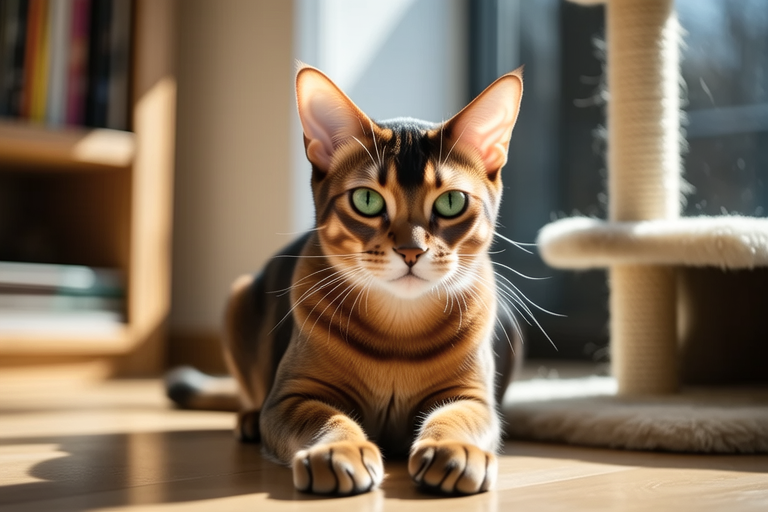
Abyssinians are one of the oldest known breeds of domesticated cats, and they carry a rich history with them. Their coat, which features a distinctive ticked or agouti pattern, is what sets them apart from other breeds. Each hair has bands of two colors, creating a shimmering effect that is both beautiful and intriguing. Their almond-shaped eyes and large ears also contribute to their unique appearance.
But it’s not just about looks; Abyssinians are known for their high energy levels and playful nature. They are curious, intelligent, and often engage in interactive play with their owners. They enjoy climbing, jumping, and exploring their surroundings, making them excellent companions for those who enjoy an active lifestyle. However, this energy can sometimes be overwhelming for new owners, so it’s essential to understand how to manage it effectively.
Care Requirements for Abyssinians
Abyssinians require regular attention and care to maintain their health and happiness. One of the most important aspects of caring for an Abyssinian is providing them with a stimulating environment. These cats thrive when given opportunities to climb, explore, and play. Consider investing in cat trees, scratching posts, and interactive toys to keep them entertained and engaged.
Another critical aspect of care is ensuring that your Abyssinian has access to clean water and a balanced diet. Abyssinians are prone to dehydration, so it’s crucial to keep fresh water available at all times. Additionally, their diet should consist of high-quality cat food that meets their nutritional needs. Consult with your veterinarian to determine the best diet for your cat based on their age, weight, and activity level.
Common Health Issues in Abyssinians
Like any breed, Abyssinians are susceptible to certain health issues. One of the most common problems is dental disease. Regular dental care is essential to prevent tooth decay and gum disease. Brush your cat’s teeth regularly, and schedule routine check-ups with your veterinarian to monitor their oral health.
Another issue to watch out for is renal amyloidosis, a condition that affects the kidneys. This genetic disorder can lead to kidney failure if left untreated. Early detection and management are key to improving the quality of life for affected cats. Regular veterinary visits and routine blood tests can help catch this condition early.
Additionally, Abyssinians may be prone to progressive retinal atrophy (PRA), a degenerative eye disease that can lead to blindness. While there is no cure for PRA, early diagnosis and management can help slow its progression and improve your cat’s vision.
Dietary Needs of Abyssinians
Abyssinians have specific dietary needs to ensure optimal health. A balanced diet should include a variety of proteins, fats, carbohydrates, vitamins, and minerals. High-quality commercial cat food is a great option, but you can also supplement their diet with fresh fruits and vegetables. Avoid feeding them foods that are toxic to cats, such as onions, garlic, chocolate, and caffeine.
Feeding your Abyssinian at regular intervals throughout the day can help regulate their energy levels and prevent overeating. Some owners find that offering small meals several times a day works well for their active pets. Always consult with your veterinarian before making any changes to your cat’s diet.
Grooming Tips for Abyssinians
Abyssinians have short coats that require minimal grooming, but they still benefit from regular brushing to remove loose hairs and distribute natural oils. Use a soft-bristled brush or a rubber grooming mitt to gently stroke their fur. This not only keeps their coat healthy but also strengthens the bond between you and your cat.
While their coats are relatively low-maintenance, Abyssinians still need regular nail trimming and ear cleaning. Long nails can cause discomfort and injury, so it’s essential to trim them regularly. Use a pair of cat-safe nail clippers and take care not to cut too close to the quick, which can cause bleeding. Similarly, clean your cat’s ears with a gentle ear cleaner and cotton ball to prevent wax buildup and infections.
Socializing and Training Your Abyssinian
Abyssinians are highly social animals and thrive on interaction with their human companions. Spend time playing and cuddling with your cat to strengthen your bond and encourage positive behavior. Interactive play sessions not only provide mental stimulation but also help burn off excess energy, reducing destructive behaviors.
Training your Abyssinian can also be an enjoyable experience. Positive reinforcement techniques, such as clicker training or treats, can be effective in teaching your cat basic commands and tricks. Consistency is key, so be patient and persistent in your efforts. With time and effort, you’ll be amazed at how much your Abyssinian can learn and how responsive they become.
Creating a Safe and Stimulating Environment at Home
To ensure your Abyssinian lives a happy and healthy life, it’s essential to create a safe and stimulating environment at home. Start by securing any potential hazards, such as poisonous plants, toxic chemicals, and small objects that could be swallowed. Install childproof locks on cabinets and drawers to prevent your cat from accessing dangerous substances.
In addition to safety measures, consider enriching your home with various toys and activities. Puzzle feeders, laser pointers, and feather wands can provide hours of entertainment and mental stimulation. You can also create vertical spaces for your cat to climb and explore, such as cat trees, shelves, and window perches.
Finally, make sure your Abyssinian has access to a comfortable and quiet space where they can retreat when needed. A cozy bed or blanket in a quiet corner of your home can provide a sense of security and comfort for your cat.
The Rewards of Owning an Abyssinian
Owning an Abyssinian is a rewarding experience that comes with many benefits. Their playful and affectionate nature makes them excellent companions for people of all ages. Their intelligence and curiosity mean they are always ready for a new adventure, whether it’s exploring a new toy or learning a new trick.
However, it’s important to remember that owning a cat, especially one as energetic and inquisitive as an Abyssinian, requires commitment and responsibility. Be prepared to invest time and effort into their care, socialization, and training. With patience, love, and dedication, you’ll form a strong bond with your Abyssinian and enjoy countless moments of joy and companionship.
We hope this guide has provided you with valuable insights and practical tips for living with an Abyssinian. Remember, every cat is unique, so take the time to get to know your pet and tailor your approach to suit their individual needs. With proper care and attention, your Abyssinian will bring years of happiness and companionship into your life. Happy parenting!
