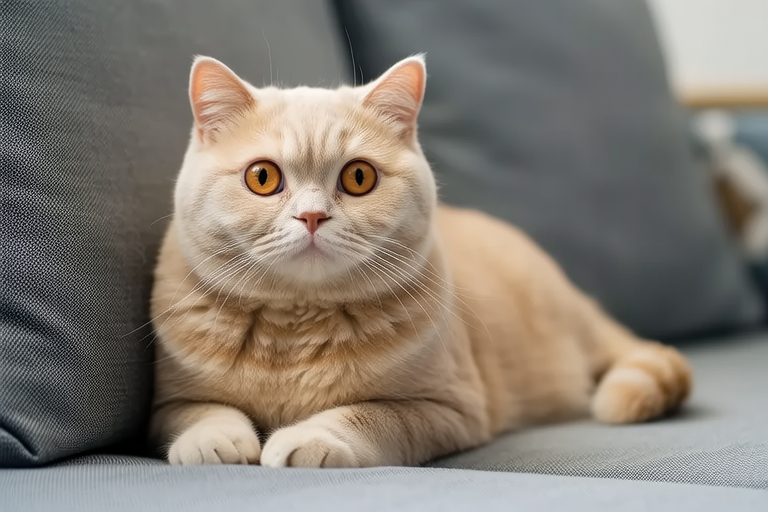
From Cat Show Star to Furry Companion: Discover the Golden British Shorthair
The British Shorthair, with its striking golden coat, has long been a favorite among cat enthusiasts and first-time pet owners alike. This article delves into the origins and history of this breed, explores its physical characteristics, discusses its unique personality traits, outlines care requirements, and provides tips for potential owners. We will also address common myths and realities surrounding the breed.
Origins and History
The British Shorthair has a rich history that dates back centuries. Originating in Britain, these cats were initially bred as working cats to control rodent populations. Over time, they evolved into beloved companions known for their sturdy build and gentle demeanor. By the 19th century, they became popular show cats, winning numerous accolades at various exhibitions. Their golden coats, particularly, have always stood out, making them a standout breed in the feline world.
Physical Characteristics
The British Shorthair is renowned for its robust body and short, plush coat. The golden variety, in particular, boasts a lustrous, warm hue that ranges from pale cream to deep gold. Their coat is dense and water-resistant, providing excellent protection against the elements. This breed typically has a broad chest, muscular legs, and a round face with large, expressive eyes. Their ears are set wide apart, adding to their distinctive appearance. The overall impression is one of strength and grace, combined with an air of nobility.
Personality Traits
Beyond their striking appearance, British Shorthairs are celebrated for their calm and affectionate nature. They are often described as having a ‘dog-like’ loyalty, forming strong bonds with their human families. These cats are generally good-natured and patient, making them ideal companions for children and other pets. However, while they enjoy human company, they are not overly demanding or clingy, allowing them to be independent when needed.
Care Requirements
Maintaining the health and well-being of a British Shorthair requires attention to several key areas. Regular grooming is essential to keep their coat shiny and free from mats. A weekly brushing session is usually sufficient, but during shedding seasons, more frequent grooming may be necessary. Additionally, it’s important to provide a balanced diet tailored to their age, weight, and activity level. Regular veterinary check-ups and vaccinations are crucial for preventing health issues and ensuring longevity.
Transition from Show Cats to Family Pets
Once primarily bred for competition, many British Shorthairs now find themselves in loving homes as cherished family members. This transition can sometimes present challenges, especially if the cat is accustomed to the structured environment of a show setting. However, with patience and understanding, these cats can easily adapt to life as a family pet. Providing a stable routine, plenty of affection, and a safe space to retreat to when needed can facilitate this adjustment process.
Popular Myths Versus Realities
There are several misconceptions about British Shorthairs that need clarification. One common myth is that they require minimal exercise due to their stocky build. While they are not high-energy cats, regular playtime is still important for maintaining their physical and mental health. Another misconception is that all British Shorthairs are prone to obesity. With proper nutrition and regular activity, this risk can be minimized. Lastly, some believe that their short fur means less grooming is required. In reality, their dense coat benefits from regular brushing to prevent matting and skin issues.
Tips for Potential Owners
If you’re considering bringing a British Shorthair into your home, there are several things to keep in mind. First, ensure you have the time and resources to provide the care they need. Second, consider adopting from a reputable breeder who prioritizes the health and temperament of their cats. Third, prepare your home by creating a cozy, safe space for your new companion. Finally, be prepared for the emotional bond that will develop; these cats become deeply attached to their families and thrive on companionship.
Conclusion
The Golden British Shorthair is a remarkable breed with a storied past and a bright future as a beloved family pet. From their regal origins to their present-day roles as cherished companions, these cats continue to captivate hearts around the world. By understanding their needs and providing the care they deserve, you can ensure a lifetime of joy and companionship with your golden British Shorthair.
