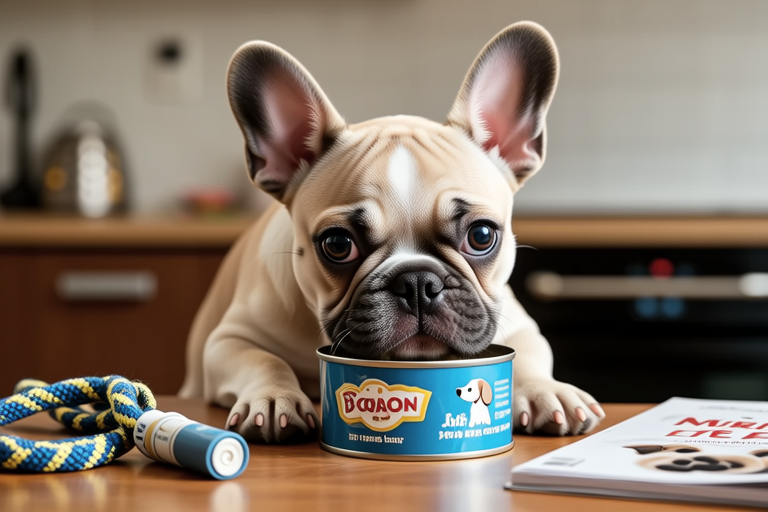
Adorable Frenchie Hacks for Every New Dog Owner
Welcome to the wonderful world of French Bulldog ownership! These adorable, compact dogs have become incredibly popular over the years, and it’s no wonder why. With their charming personalities and unique appearance, Frenchies are perfect companions for families and individuals alike. However, owning a Frenchie comes with its own set of challenges. This guide will provide you with practical, easy-to-implement tips tailored specifically for owners of French Bulldogs, covering everything from training and health maintenance to grooming, dietary needs, and fun activities.
Understanding Your Frenchie
Before diving into specific tips, it’s essential to understand some unique traits of French Bulldogs. They are known for their wrinkly faces, bat-like ears, and expressive eyes. Frenchies are generally affectionate, playful, and good-natured, but they can also be stubborn at times. Their small size and short snouts mean they need special attention when it comes to health and exercise. By understanding these traits, you’ll be better equipped to provide the care your Frenchie needs.
Training Your Frenchie
Training a French Bulldog can be both rewarding and challenging. They are intelligent but can be quite independent, so consistency and patience are key. Start with basic commands like ‘sit,’ ‘stay,’ and ‘come.’ Use positive reinforcement techniques such as treats and praise to encourage good behavior. For example, my friend’s Frenchie, Max, learned ‘sit’ in just a few days by getting a treat every time he followed the command. It’s important to keep training sessions short and fun, as Frenchies tend to lose interest quickly if sessions are too long or repetitive.
Leash training is another crucial aspect of owning a Frenchie. Since they are prone to pulling, start early and use a harness instead of a collar to avoid neck strain. Practice walking on a leash in a quiet area before venturing out into busier environments. My neighbor, Sarah, found that using a clicker during her Frenchie’s training helped reinforce positive behaviors effectively.
Health Maintenance
French Bulldogs are prone to certain health issues due to their brachycephalic (short-nosed) nature. Regular vet check-ups are vital to catch any potential problems early. Common issues include respiratory difficulties, eye problems, and skin infections. To help prevent these issues, ensure your Frenchie stays cool during hot weather and avoid strenuous activities in extreme heat. Provide plenty of fresh water and consider using a cooling pad or vest during summer months.
Eye care is also essential for French Bulldogs. Their large, protruding eyes are susceptible to injury and irritation. Clean their eyes daily with a gentle, pet-safe solution to remove any discharge or debris. If you notice redness, swelling, or excessive tearing, consult your veterinarian immediately. Proper ear cleaning is equally important. Use a cotton ball or soft cloth to gently wipe the outer ear canal, avoiding the insertion of anything into the ear canal itself.
Grooming Tips
Grooming your Frenchie regularly helps maintain their coat and skin health. Brush their fur weekly to remove loose hair and prevent matting. Bathing should be done every four to six weeks, depending on their activity level and environment. Use a mild, hypoallergenic shampoo and warm water. Pay extra attention to their wrinkles by cleaning them thoroughly after baths or when they get dirty. Dampness in the wrinkles can lead to infections, so dry them carefully with a soft towel.
Trimming nails is another important grooming task. French Bulldogs have fast-growing nails, so regular trimming is necessary to prevent discomfort and damage to floors or furniture. If you’re unsure about doing this yourself, ask your vet for guidance or take your Frenchie to a professional groomer. Brushing their teeth at least three times a week helps maintain dental hygiene and prevents bad breath. You can use a pet toothbrush or finger brush along with dog-specific toothpaste.
Dietary Needs
Nutrition plays a significant role in maintaining your Frenchie’s overall health. Choose high-quality dog food that meets their specific nutritional needs. Look for ingredients like lean proteins, whole grains, and vegetables. Avoid foods containing artificial preservatives, colors, or flavors. Consult with your veterinarian to determine the appropriate amount of food based on your Frenchie’s age, weight, and activity level. Overfeeding can lead to obesity, which is common among French Bulldogs and can exacerbate existing health issues.
Treats should be given sparingly and should complement, not replace, their regular meals. Opt for healthy options like freeze-dried liver or sweet potato slices. Always read labels carefully and choose products made specifically for dogs. Remember, treats should account for no more than 10% of your Frenchie’s daily caloric intake.
Fun Activities for Your Frenchie
French Bulldogs love playtime, and incorporating fun activities into your routine can strengthen the bond between you and your furry friend. Interactive toys like puzzle feeders and treat-dispensing balls stimulate their minds while providing entertainment. My cousin’s Frenchie, Bella, loves playing fetch, especially with soft, lightweight toys designed for smaller breeds.
Short walks are excellent for exercise, but remember to keep them brief and avoid midday heat. French Bulldogs are prone to overheating, so limit outdoor activities during the hottest parts of the day. Indoor games like hide-and-seek or tug-of-war are great alternatives when the weather isn’t ideal. Training sessions can also double as enjoyable activities, helping your Frenchie stay mentally stimulated.
Coping with Separation Anxiety
Many French Bulldogs experience separation anxiety, which can manifest through destructive behavior or excessive barking. To help alleviate this, establish a consistent routine that includes regular exercise, playtime, and socialization. Gradually increase the amount of time you spend away from home to help your Frenchie adjust. Providing a safe space, such as a crate or designated area, can also help them feel secure when you’re not around.
If separation anxiety persists, consider seeking professional help from a certified dog trainer or behaviorist. They can offer personalized strategies to address the issue effectively. My colleague’s Frenchie, Charlie, benefited greatly from attending obedience classes, which not only improved his behavior but also provided much-needed mental stimulation.
Conclusion
Owning a French Bulldog is a joyous experience filled with love, laughter, and companionship. By understanding their unique traits and providing proper care, you can ensure your Frenchie leads a happy, healthy life. From training and health maintenance to grooming, dietary needs, and fun activities, every aspect of their care contributes to their well-being. Remember, each Frenchie is an individual, so adapt these tips to suit your pet’s specific needs. With patience, love, and dedication, you’ll create lasting memories and a strong bond with your adorable Frenchie.
