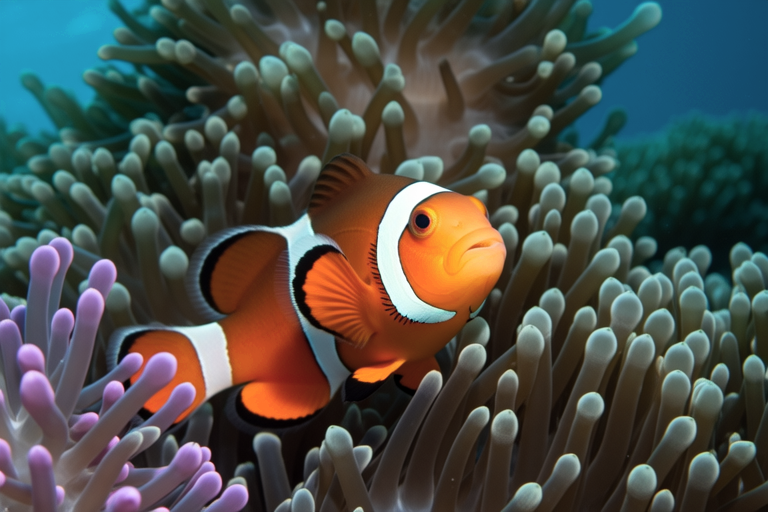
The Ultimate Guide to Clownfish: From Ocean to Aquarium
Introduction:
Welcome to the fascinating world of clownfish! These vibrant, colorful fish have captured the hearts of many with their striking appearance and interesting behaviors. Whether you’re a seasoned aquarist or a novice, understanding the natural habitat and behavior of clownfish can enhance your experience of keeping them in an aquarium. This guide will take you through everything from their natural environment and symbiotic relationships to the intricacies of setting up a home for them in your tank.
Natural Habitat and Behavior of Clownfish in the Wild
Clownfish, also known as anemonefish, are native to the warm waters of the Indian and Pacific Oceans. They are particularly abundant in the coral reefs of the Indo-Pacific region, including the Great Barrier Reef and the Red Sea. These areas provide ideal conditions for clownfish to thrive, characterized by clear waters, abundant food sources, and diverse marine life.
In the wild, clownfish exhibit a unique social structure. They live in small groups within the protective tentacles of sea anemones. The group typically consists of a dominant female, a dominant male, and several smaller, less dominant males. The dominant female is usually the largest and oldest member of the group. When the dominant female dies, the largest male transitions into the role of the new female, a phenomenon known as sequential hermaphroditism.
Clownfish are territorial and will defend their anemone against intruders, including other clownfish. They swim in a distinct zigzag pattern, which helps them avoid being stung by the anemone’s nematocysts (stinging cells). This behavior is thought to be learned rather than instinctive, as juvenile clownfish must learn to swim safely around the anemone before they can fully inhabit it.
Symbiotic Relationship with Sea Anemones
The relationship between clownfish and sea anemones is one of the most well-known examples of mutualism in nature. Sea anemones provide clownfish with protection from predators and a place to lay their eggs. In return, clownfish help to attract prey for the anemone and may even remove waste from its surface.
Clownfish secrete a mucus layer over their bodies that protects them from the anemone’s stings. This mucus contains compounds that neutralize the anemone’s toxins, allowing the clownfish to coexist safely within its tentacles. Additionally, clownfish may perform a dance-like behavior near the anemone’s tentacles, which is believed to help acclimate the anemone to their presence and prevent it from stinging them.
While clownfish are often associated with sea anemones, they can also live without them in certain conditions. However, the presence of an anemone is beneficial for their survival and reproduction, making it a key element in the natural habitat of these fish.
Basics of Keeping Clownfish in an Aquarium
Setting up a suitable environment for clownfish in your aquarium is crucial for their health and well-being. Here’s what you need to know about tank setup, water parameters, and selecting appropriate tank mates.
Tank Setup
Clownfish require a well-maintained aquarium with ample swimming space and hiding spots. A minimum tank size of 20 gallons is recommended for a single pair of clownfish, but larger tanks are preferable if you plan to house multiple pairs or include other species. The tank should have a sandy substrate to mimic their natural environment and provide a comfortable surface for digging and resting.
Live rock and corals can be added to the tank to create a more complex ecosystem and provide additional hiding places. However, it’s important to ensure that any corals you introduce are compatible with your clownfish, as some species may be harmful to them.
Water Parameters
Maintaining optimal water quality is essential for the health of your clownfish. Ideal water parameters include:
- Temperature: 76°F to 82°F (24°C to 28°C)
- pH: 8.1 to 8.4
- Salinity: 1.020 to 1.025 specific gravity
- Ammonia: 0 ppm
- Nitrite: 0 ppm
- Nitrate: Below 20 ppm
Aquarists should regularly test the water and perform partial water changes to maintain these levels. A protein skimmer and biological filtration system can also help keep the water clean and stable.
Suitable Tank Mates
When choosing tank mates for your clownfish, it’s important to select species that share similar water requirements and temperaments. Good choices include other peaceful marine fish like cardinalfish, gobies, and wrasses. Avoid aggressive or territorial species that could stress or harm your clownfish.
It’s also worth noting that clownfish can be semi-aggressive towards their own kind, especially when space is limited. If you want to keep multiple pairs of clownfish, consider providing ample hiding spots and ensuring the tank is large enough to accommodate them comfortably.
Feeding and Maintaining Health
Proper nutrition and regular care are vital for keeping your clownfish healthy and vibrant. Here are some tips for feeding and maintaining the health of your clownfish.
Feeding
Clownfish are omnivorous and can eat a variety of foods, including flakes, pellets, frozen, and live foods. A balanced diet should consist of high-quality flake or pellet food supplemented with occasional treats like brine shrimp, mysis shrimp, and finely chopped seafood. Feed your clownfish small amounts two to three times a day, avoiding overfeeding to prevent water pollution.
Ensure that the food you provide is appropriate for their size and age. Juvenile clownfish have different nutritional needs compared to adults, so it’s important to offer a varied diet that meets their changing requirements.
Maintaining Health
To keep your clownfish healthy, pay attention to their behavior and physical condition. Healthy clownfish are active, colorful, and eat regularly. Signs of illness include lethargy, loss of appetite, pale coloration, and abnormal swimming patterns.
If you notice any signs of disease, act quickly to address the issue. Quarantine any sick fish to prevent the spread of illness to other tank inhabitants. Common diseases affecting clownfish include ich (white spot disease), bacterial infections, and parasitic infestations. Treatment options vary depending on the specific problem, so consult with a veterinarian or experienced aquarist for advice.
Regular maintenance of the aquarium, such as cleaning filters and performing water changes, also plays a crucial role in preventing diseases and maintaining overall health.
Breeding Clownfish in Captivity
Breeding clownfish in captivity can be a rewarding endeavor for advanced aquarists. It requires careful planning and attention to detail, but with the right approach, it can lead to successful reproduction and thriving offspring.
Challenges and Successes
One of the main challenges in breeding clownfish is creating the right environmental conditions. Clownfish need a stable and stress-free environment to reproduce successfully. This includes maintaining optimal water parameters, providing ample hiding spots, and ensuring there is a suitable anemone or surrogate host for the eggs.
Another challenge is determining the sex of clownfish, as they are initially all born as males. Only the largest individual in a group transitions into a female. To increase the chances of having a breeding pair, it’s best to start with a group of juveniles and allow them to establish their hierarchy naturally.
Once a breeding pair has formed, they will often engage in courtship behaviors, including chasing each other and performing dances. The female will then choose a location to deposit her eggs, typically on a flat surface near the waterline. She will carefully clean the area before laying the eggs, which can number in the hundreds.
The male will then fertilize the eggs and guard them until they hatch, which takes about 6-10 days, depending on water temperature. During this time, it’s crucial to maintain pristine water conditions and avoid disturbing the spawning site.
After hatching, the fry (baby clownfish) will undergo a larval stage before developing into free-swimming juveniles. Feeding the fry properly during this critical period is essential for their survival and growth. Newly hatched Artemia nauplii are a good first food source, followed by progressively larger and more nutritious meals as they mature.
Conclusion
From their vibrant colors and unique behaviors to their fascinating symbiotic relationship with sea anemones, clownfish are truly captivating creatures. Whether you’re setting up a new aquarium or looking to expand your breeding program, understanding the needs and behaviors of clownfish is key to their success in captivity. By providing the right environment, proper nutrition, and attentive care, you can enjoy the beauty and wonder of these remarkable fish for years to come.
