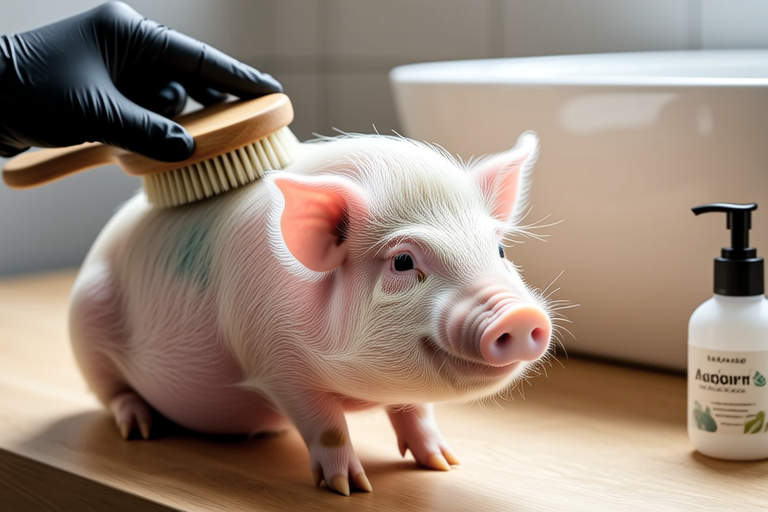
Guinea Pig Grooming Guide: Brushing, Bathing, and Beyond
The Importance of Regular Grooming
Regular grooming is essential for your guinea pig’s health and well-being. It helps maintain their coat’s condition, prevents skin issues, and promotes overall hygiene. Proper grooming also strengthens the bond between you and your pet, making it an enjoyable activity for both of you.
By keeping your guinea pig’s fur and nails well-maintained, you can prevent common problems such as hairballs, overgrown nails, and skin infections. Additionally, regular grooming provides an opportunity to check for any signs of illness or injury, allowing for early intervention if necessary.
Types of Brushes Suitable for Guinea Pigs
Choosing the right brush is crucial for effective grooming. Here are some types of brushes that are ideal for guinea pigs:
- Pin brushes: These brushes have soft bristles that are perfect for removing loose hair and tangles from your guinea pig’s coat.
- Bristle brushes: Bristle brushes with natural bristles are great for distributing oils throughout the coat, promoting a healthy shine.
- Flea combs: Although fleas are rare in guinea pigs, flea combs can be used to remove any debris or small pests from the fur.
It’s important to select brushes specifically designed for small animals to avoid causing discomfort or injury to your guinea pig.
Step-by-Step Instructions for Brushing
- Prepare the area: Choose a quiet, comfortable space where you can sit with your guinea pig. Ensure the room is warm to prevent them from getting cold during grooming.
- Begin with the pin brush: Start by gently brushing your guinea pig’s entire body with a pin brush. Pay special attention to areas prone to matting, such as behind the ears and under the chin.
- Use a bristle brush: After using the pin brush, switch to a bristle brush to further smooth the coat and distribute natural oils.
- Check for mats: If you notice any mats, carefully separate them with your fingers before continuing to brush. Avoid pulling at mats as this can cause pain to your guinea pig.
- Reward your guinea pig: Offer treats and praise throughout the process to make grooming a positive experience for your pet.
Guidelines for Bathing Including Frequency and Techniques
Giving your guinea pig a bath is not always necessary, but there may be times when it becomes necessary. Here are some guidelines to follow:
Frequency of Baths
Guinea pigs do not require frequent baths like dogs or cats. In fact, too many baths can strip their skin of natural oils, leading to dryness and irritation. Generally, bathing your guinea pig once every few months is sufficient unless they become excessively dirty or smelly.
Bathing Techniques
When it’s time to bathe your guinea pig, follow these steps:
- Choose a shallow basin: Fill a shallow basin with warm water, ensuring it’s not too deep for your guinea pig to stand comfortably.
- Wet the coat: Gently wet your guinea pig’s coat with a cup or gentle spray. Avoid getting water into their ears, eyes, or nose.
- Apply mild shampoo: Use a small amount of a mild, pet-safe shampoo. Massage the shampoo into their coat, paying attention to areas that may need extra cleaning.
- Rinse thoroughly: Rinse your guinea pig thoroughly with warm water, ensuring all soap is removed. Residue can cause skin irritation.
- Dry your guinea pig: Wrap your guinea pig in a towel and gently pat them dry. You can also use a hair dryer set on low heat and held at a safe distance.
Nail Trimming Methods
Trimming your guinea pig’s nails regularly is important to prevent overgrowth, which can lead to discomfort and difficulty walking. Here’s how to trim your guinea pig’s nails:
- Preparation: Have a styptic powder or cornstarch ready in case you accidentally cut the quick (the blood vessel inside the nail).
- Hold your guinea pig securely: Sit on the floor or a stable surface and hold your guinea pig gently but firmly in one hand.
- Identify the quick: Look for the pink area near the base of the nail. This is the quick, and you want to avoid cutting into it.
- Trim the nail: Using a small animal nail clipper, trim a small portion off the tip of each nail. Be careful not to cut too close to the quick.
- Stop bleeding: If you accidentally cut the quick, apply styptic powder or cornstarch to stop the bleeding.
If you’re uncomfortable trimming your guinea pig’s nails yourself, consult a veterinarian or professional groomer.
Identifying and Addressing Common Grooming Issues
Mats and Tangles
Mats and tangles can occur in long-haired guinea pigs. To address these issues:
- Separate mats gently with your fingers.
- Use a wide-toothed comb to work through tangles.
- Consider trimming long hair to reduce the risk of future matting.
Overgrown Nails
Overgrown nails can cause discomfort and affect your guinea pig’s mobility. Regular nail trims are necessary to prevent this.
Excessive Shedding
If your guinea pig is shedding more than usual, ensure they are receiving a balanced diet and are not stressed. Increased shedding can sometimes indicate underlying health issues.
Maintaining a Clean Living Environment
A clean living environment is vital for your guinea pig’s health. Follow these tips to keep their habitat clean:
- Spot clean daily: Remove soiled bedding and food remnants daily.
- Deep clean weekly: Thoroughly clean the cage and replace all bedding once a week.
- Provide fresh bedding: Use dust-free, absorbent bedding materials such as paper-based bedding or fleece liners.
- Sanitize toys and accessories: Regularly wash and sanitize toys and accessories to prevent bacterial growth.
By maintaining a clean environment, you can help prevent respiratory issues and other health problems associated with poor hygiene.
