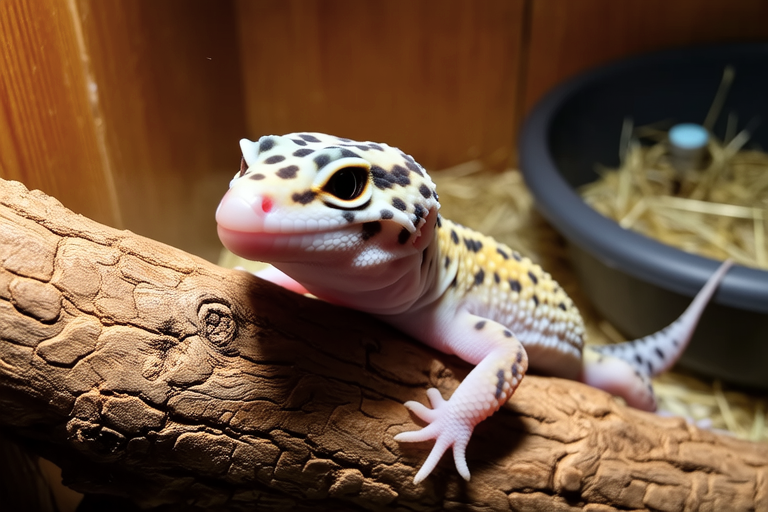
Leopard Gecko Care Made Easy: Tips and Tricks from Experienced Owners
Welcome to the wonderful world of leopard gecko care! These charming reptiles are popular among both novice and seasoned pet owners due to their relatively low maintenance and unique personalities. This guide aims to provide you with all the information you need to ensure your leopard gecko leads a happy and healthy life. We’ll cover everything from habitat setup and dietary requirements to health care basics and common behavioral insights.
Habitat Setup: Creating a Comfortable Home
Setting up the right environment is crucial for your leopard gecko’s well-being. The enclosure should mimic their natural habitat as closely as possible. A typical 20-gallon tank is sufficient for one adult gecko, but larger enclosures can accommodate more if you have multiple geckos.
Temperature and Humidity: Maintaining the correct temperature gradient is vital. One end of the tank should be around 88-90°F (31-32°C) while the cooler side should be about 75-80°F (24-27°C). This allows your gecko to thermoregulate. Humidity should be kept between 30% and 40%. Too much moisture can lead to respiratory infections, so ensure proper ventilation.
“I always make sure there’s a hot spot and a cool spot,” says Sarah, an experienced owner. “My gecko loves to bask under the heat lamp and then retreat to the cooler side when it gets too warm.”
Substrate: Avoid substrates that could cause impaction, such as sand or gravel. Instead, opt for paper towels, reptile carpet, or eco-friendly bedding like coconut fiber. Regular cleaning is necessary to maintain hygiene.
Lighting: Leopard geckos don’t require UVB lighting, but a gentle heat lamp provides warmth and mimics the sun. Ensure the light doesn’t overheat the enclosure.
Dietary Requirements: Nourishing Your Gecko
Feeding your leopard gecko correctly is key to their health. They are insectivores, primarily eating crickets, mealworms, and waxworms. The frequency of feeding depends on the age of the gecko:
- Newborns: Feed daily
- Young adults: Every other day
- Adults: 3-5 times per week
All insects should be gut-loaded and dusted with calcium and vitamin D3 supplements. Gut-loading involves feeding the insects nutritious foods before offering them to your gecko, ensuring they receive maximum nutrition.
“I make sure to vary the diet,” shares Mike, another experienced owner. “Sometimes I offer dubia roaches, which my gecko adores.”
Health Care Basics: Keeping Your Gecko Happy and Healthy
Regular health checks are important. Look out for signs of illness such as lethargy, loss of appetite, or unusual behavior. Handling should be gentle and infrequent to avoid stress.
Veterinary care is essential. Find a vet who specializes in reptiles. Annual check-ups can help catch any potential issues early.
Proper hygiene is also critical. Clean the enclosure regularly, removing waste and changing substrate. This helps prevent bacterial growth and keeps your gecko healthy.
Common Behavioral Insights: Understanding Your Gecko
Leopard geckos are nocturnal creatures, meaning they’re most active at night. They are generally calm and docile, making them great pets for children. However, each gecko has its own personality.
Handling should be done gently, allowing your gecko to get used to human interaction. Start slowly and increase the time gradually. Some geckos may never fully enjoy being handled, while others become quite affectionate.
“My gecko used to hide whenever I tried to pick her up,” recalls Emily. “But after a few weeks, she started coming to me when I opened the tank.”
Troubleshooting Common Issues
Feeding Problems: If your gecko isn’t eating, check the temperature and humidity levels first. Sometimes adjusting these can encourage better feeding habits. Ensure the insects are appropriately sized and gut-loaded.
Shedding Issues: Shedding problems can occur if the environment isn’t humid enough. Providing a moist hide can help. If the shed is stuck, soak the gecko in lukewarm water for a short period to assist the process.
Bloating: Overfeeding can lead to bloating. Stick to the recommended feeding schedule and watch for signs of overeating.
Handling and Bonding with Your Gecko
Building a bond with your gecko takes time and patience. Always wash your hands before and after handling to avoid transferring harmful bacteria. Use a cup or scoop to gently lift your gecko, supporting their body fully.
Some geckos enjoy being held for short periods, while others prefer to remain in their enclosure. Respect your gecko’s boundaries and allow them space when needed.
Conclusion: Enjoy the Journey
Caring for a leopard gecko can be a rewarding experience. With the right knowledge and care, you can ensure your gecko lives a long and healthy life. Remember, every gecko is unique, and understanding their individual needs will enhance your relationship.
Take your time, learn from experienced owners, and enjoy the journey. Your dedication will be rewarded with the companionship of a fascinating and delightful pet.
