5 Secrets to Keeping Your Bearded Dragon Happy and Healthy at Home
Welcome to the wonderful world of bearded dragon ownership! These charismatic reptiles have become one of the most popular pet choices over the past decade. Known for their unique appearance, docile nature, and relatively low maintenance requirements, bearded dragons make excellent companions for both first-time and seasoned reptile owners alike. However, ensuring your bearded dragon thrives requires more than just a simple tank and some food; it demands attention to detail and a commitment to providing optimal living conditions. In this guide, we’ll explore five secrets to keeping your bearded dragon happy and healthy at home.
Secret 1: Provide a Nutritious and Varied Diet
The foundation of any pet’s health begins with its diet. Bearded dragons are omnivores, meaning they eat both plant-based and animal-based foods. A balanced diet ensures they receive all necessary nutrients, promoting growth, energy levels, and overall health. Here’s how you can create a nutritious and varied menu for your scaly friend:
- Vegetables and Fruits: Offer a wide range of vegetables such as leafy greens (kale, collard greens), squash, bell peppers, and carrots. Fruits like berries, melons, and apples should be given sparingly due to their high sugar content.
- Insects: Crickets, dubia roaches, and mealworms are common choices. Ensure insects are gut-loaded (fed nutritious food themselves) before offering them to your dragon.
- Dust with Calcium and Vitamin Supplements: To prevent metabolic bone disease, lightly dust your dragon’s food with calcium and multivitamin supplements every other feeding.
Remember, variety is key. Rotate different types of food regularly to avoid monotony and ensure a broad spectrum of nutrients.
Secret 2: Set Up the Ideal Habitat
A well-designed habitat is crucial for your bearded dragon’s comfort and health. The setup should mimic their natural environment as closely as possible while meeting specific needs for light, heat, and space.
Lighting
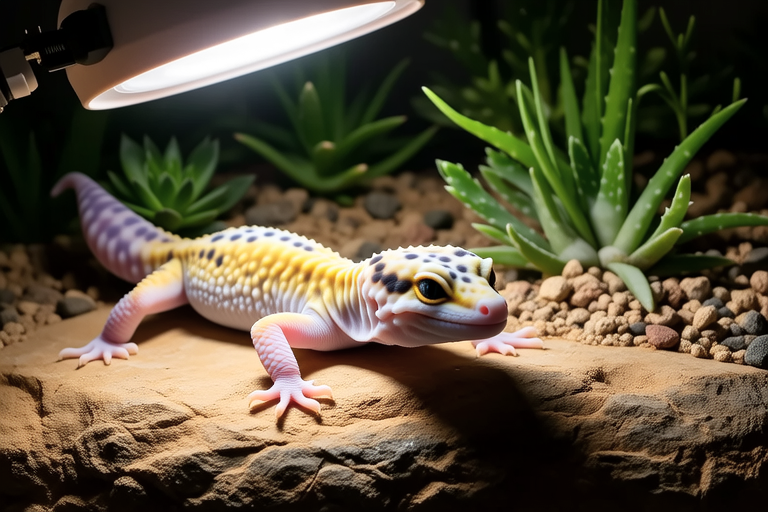
Proper lighting is essential for bearded dragons, who require UVB radiation to synthesize vitamin D3. This vitamin aids in calcium absorption, preventing metabolic bone disease. Use full-spectrum UVB bulbs designed specifically for reptiles, and place them close enough so your dragon can bask directly under them. Replace bulbs annually or according to manufacturer guidelines to maintain effectiveness.
Temperature
Maintaining the correct temperature gradient within the enclosure is vital. Bearded dragons need a warm basking spot (around 95-110°F) and a cooler area (75-85°F). Use thermometers to monitor these temperatures accurately. Heat lamps, ceramic heaters, or under-tank heaters can help achieve this thermal gradient.
Enclosure Size
Ensure your dragon has ample space to move around and explore. A juvenile dragon should have at least a 20-gallon tank, while adults thrive in enclosures that are 40 gallons or larger. Larger spaces provide more room for climbing, basking, and hiding spots, enriching their environment and reducing stress.
Secret 3: Encourage Handling and Social Interaction
Bearded dragons are generally docile and enjoy gentle handling, which can significantly benefit their mental health. Regular interaction helps reduce anxiety and keeps them stimulated. Here are some tips for handling your dragon:
- Start Slow: Let your dragon get used to your presence by sitting near its enclosure and speaking softly before attempting to handle it.
- Support Properly: Always support your dragon’s body fully when holding it. Avoid lifting by the tail, as this can cause injury.
- Keep Sessions Short: Limit handling sessions to 15-20 minutes initially, gradually increasing duration as your dragon becomes more comfortable.
Engaging with your dragon through play and interaction fosters a bond and contributes positively to its emotional well-being.
Secret 4: Maintain Hygiene and Health Checks
Keeping your dragon’s living space clean is paramount to its health. Regular cleaning prevents the buildup of harmful bacteria and parasites. Follow these steps:
- Spot Clean Daily: Remove feces and uneaten food promptly to minimize odors and bacterial growth.
- Deep Clean Weekly: Disinfect the entire enclosure using a reptile-safe cleaner. Rinse thoroughly and allow to dry completely before reintroducing your dragon.
- Replace Substrate: Depending on the type used, substrate may need replacement weekly or monthly.
Additionally, schedule regular health check-ups with a veterinarian specializing in reptiles. They can provide vaccinations, treat illnesses, and offer guidance on nutrition and care. Early detection of potential health issues through routine exams can save lives.
Secret 5: Monitor Behavioral Changes for Early Indicators of Health Issues
Observing your dragon’s behavior daily allows you to notice any unusual signs that might indicate underlying health problems. Some common behaviors to watch for include:
- Decreased Appetite: Loss of interest in food could signal illness or stress.
- Abnormal Basking Habits: Spending too much or too little time basking may suggest discomfort with the temperature gradient.
- Lethargy: Unusual lack of activity can point towards infection or other health concerns.
- Changes in Appearance: Look out for swelling, discoloration, or unusual lumps on the skin.
Should you notice any concerning behaviors, consult with your vet immediately. Quick action can prevent minor issues from becoming major health threats.
Conclusion
Owning a bearded dragon is a rewarding experience that brings joy and companionship into your home. By following these five secrets—providing a nutritious diet, setting up an ideal habitat, encouraging handling and social interaction, maintaining hygiene, and monitoring behavior—you can ensure your dragon leads a long, healthy, and happy life. Remember, every bearded dragon is unique, so adapt these guidelines based on individual needs and preferences. With dedication and love, you will create a thriving environment where your scaly friend can flourish.
