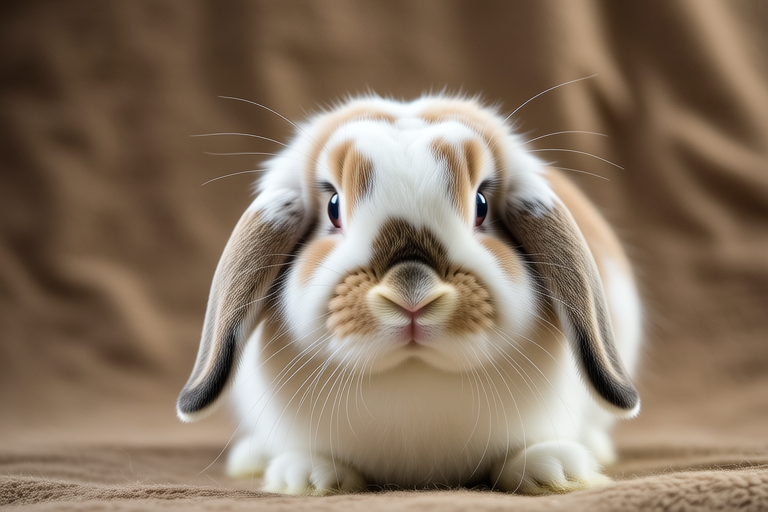
From Fluffy Ears to Friendly Tails: All About Lop Rabbits
Welcome to the enchanting world of Lop rabbits! These delightful creatures have captured the hearts of many with their unique appearance and gentle nature. From their famously floppy ears to their friendly tails, Lop rabbits are a popular choice among rabbit enthusiasts and first-time pet owners alike. This comprehensive guide will take you through everything you need to know about these charming animals, including their distinctive features, various breeds, temperaments, dietary needs, grooming tips, common health issues, and advice for new owners.
The Distinctive Floppy Ears of Lop Rabbits
The most recognizable feature of Lop rabbits is their signature floppy ears. These ears can be traced back to a genetic mutation that causes the cartilage in their ears to soften, making them droop. The exact origin of this mutation remains unclear, but it has certainly become one of the most beloved traits of Lop rabbits. While their ears may appear delicate, they are surprisingly sturdy and can withstand a bit of playfulness without damage.
Interestingly, the drooping of the ears is more pronounced in some breeds than others. For example, French Lops have particularly long and heavy ears that can sometimes touch the ground. In contrast, Mini Lops have shorter and less pronounced ears, which makes them look almost as if they are wearing earmuffs. Despite their differences, all Lop rabbits share this endearing trait that sets them apart from other rabbit breeds.
Varieties of Lop Rabbit Breeds
Lop rabbits come in several distinct breeds, each with its own unique characteristics. Here’s a closer look at some of the most popular Lop rabbit breeds:
French Lop
The French Lop is one of the largest Lop rabbit breeds, known for its impressive size and heavy body. They typically weigh between 9-11 pounds and have large, pendulous ears that can reach up to 8 inches in length. French Lops are known for their calm and docile temperament, making them ideal companions for families with children. They are also relatively easy to care for, but their size means they require ample space to move around comfortably.
English Lop
The English Lop is another large breed, but unlike the French Lop, it has longer, thinner ears that can stretch up to 20 inches in length. These rabbits are often described as having a more elegant appearance and are highly valued in show rings. English Lops are generally gentle and affectionate, but they require more attention and care due to their larger size and longer ears.
Mini Lop
The Mini Lop is a smaller version of the Lop rabbit, weighing between 4-6 pounds. They have shorter, more rounded ears compared to their larger counterparts. Mini Lops are known for their playful and energetic personalities, making them a favorite among young children. Their smaller size also makes them easier to handle and care for, especially for first-time pet owners.
Dutch Lop
The Dutch Lop is a medium-sized breed, weighing between 3-5 pounds. They have a distinctive white blaze on their face and are known for their lively and sociable nature. Dutch Lops are highly intelligent and enjoy interacting with their owners. They are also relatively easy to train, making them great candidates for agility training or other interactive activities.
Temperaments of Lop Rabbits
Lop rabbits are generally known for their calm and gentle disposition, which makes them excellent pets for both adults and children. They are social animals that thrive on companionship and interaction, so it’s important to provide them with plenty of attention and stimulation. Many Lop rabbits enjoy being petted and held, but it’s essential to handle them gently to avoid causing any discomfort or injury.
While Lop rabbits are generally friendly, each rabbit has its own personality. Some may be more outgoing and adventurous, while others may be more reserved and cautious. It’s important to give your Lop rabbit time to adjust to its new environment and to build trust before expecting too much interaction. Patience and consistency are key when bonding with your new pet.
Dietary Needs of Lop Rabbits
Proper nutrition is crucial for maintaining the health and well-being of your Lop rabbit. A balanced diet should consist primarily of hay, fresh vegetables, and a limited amount of pellets. Timothy hay is a great choice for adult rabbits, while younger rabbits can benefit from alfalfa hay. Fresh vegetables such as carrots, broccoli, and spinach should be offered in moderation to ensure a varied and nutritious diet.
It’s important to introduce new foods gradually to avoid digestive upset. Water should always be available and changed daily to prevent bacterial growth. Additionally, Lop rabbits should be provided with a constant supply of fresh water, either in a water bottle or a shallow dish.
Grooming Tips for Lop Rabbits
Grooming is an essential part of caring for your Lop rabbit. Regular brushing helps remove loose fur and prevents matting, which can lead to skin irritation. Use a soft-bristled brush to gently stroke your rabbit’s coat in the direction of hair growth. Be especially careful around their ears and tail, where mats can easily form.
Bathing is generally not necessary unless your rabbit becomes excessively dirty. If bathing is required, use a mild shampoo specifically formulated for rabbits and thoroughly rinse to avoid any residue. Always dry your rabbit completely to prevent chilling. Trimming your rabbit’s nails is also important to prevent overgrowth and potential injuries. Use nail clippers designed for small animals and be cautious not to cut the quick, which contains blood vessels and nerves.
Common Health Issues in Lop Rabbits
Like all animals, Lop rabbits are susceptible to certain health issues. One of the most common problems is dental disease, which can occur if their teeth do not wear down properly. Signs of dental disease include drooling, loss of appetite, and weight loss. Regular check-ups with a veterinarian who specializes in exotic pets can help detect and address dental issues early.
Ear infections are another concern, particularly for breeds with long, droopy ears. These infections can cause pain, swelling, and discharge. Keeping your rabbit’s ears clean and dry can help prevent infections. If you notice any signs of infection, consult your veterinarian immediately. Other common health issues include gastrointestinal stasis, respiratory infections, and parasites. Regular veterinary care and proper hygiene can help minimize the risk of these conditions.
Advice for New Owners
If you’re considering adding a Lop rabbit to your family, there are several things to keep in mind. First, ensure you have the necessary resources and commitment to provide a loving and stimulating environment. Lop rabbits require a spacious living area with plenty of room to move around, as well as toys and activities to keep them entertained.
Second, be prepared for the time and effort involved in grooming and maintaining your rabbit’s health. Regular brushing, nail trimming, and veterinary check-ups are all part of responsible rabbit ownership. Finally, remember that Lop rabbits are social animals that thrive on interaction. Spend quality time with your rabbit each day, offering affection and attention to strengthen your bond.
Conclusion
Lop rabbits are truly unique and lovable pets that bring joy and companionship to many households. With their distinctive floppy ears, friendly tails, and gentle temperaments, they make wonderful additions to any family. By understanding their dietary needs, grooming requirements, and common health issues, you can provide your Lop rabbit with a happy and healthy life. Whether you’re a seasoned rabbit enthusiast or a first-time pet owner, adopting a Lop rabbit is sure to be a rewarding experience.
