The Top 10 Myths About Siamese Cats Debunked
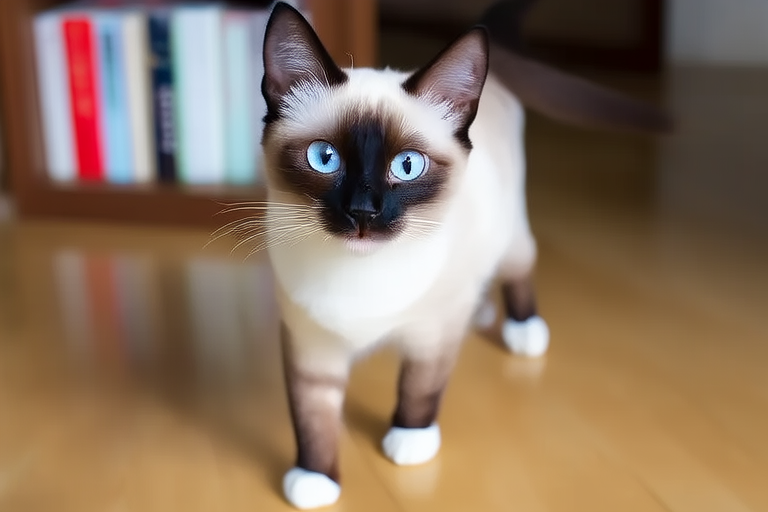
Siamese cats have been captivating hearts and minds for centuries. Known for their striking blue almond-shaped eyes, sleek bodies, and distinctive coat patterns, these felines have earned a reputation as one of the most recognizable breeds in the world. Originating from Thailand, formerly known as Siam, these cats were once revered by royalty. Today, they are cherished companions in households across the globe, appreciated for their intelligence, vocal nature, and affectionate demeanor.
Myth 1: Siamese Cats Are Aggressive
Myth: Siamese cats are aggressive and prone to biting or scratching.
Factual Counterpart: While Siamese cats can be assertive, they are generally not aggressive. Their behavior often stems from boredom or a need for attention. These intelligent creatures require mental stimulation and social interaction to thrive. Providing them with toys, puzzles, and regular playtime can help prevent behavioral issues associated with frustration.
Myth 2: Siamese Cats Hate Water
Myth: Siamese cats are terrified of water and will avoid it at all costs.
Factual Counterpart: Like many cat breeds, Siamese cats may not enjoy baths, but they aren’t inherently afraid of water. Some Siamese cats even enjoy playing with water from faucets or watching droplets fall from plants. Introducing your Siamese to water gradually and positively can lead to a more relaxed relationship with it.
Myth 3: Siamese Cats Are Always Vocal
Myth: Siamese cats are constantly meowing and making noise.
Factual Counterpart: Siamese cats are indeed known for their vocal tendencies, but excessive meowing can indicate various issues such as loneliness, hunger, or discomfort. Understanding your Siamese’s body language and vocal cues can help address their needs effectively. Providing them with a stimulating environment and ensuring they are well-fed and comfortable can reduce unnecessary vocalization.
Myth 4: Siamese Cats Are Only Suitable for Experienced Owners
Myth: Siamese cats are too demanding for first-time pet owners.
Factual Counterpart: While Siamese cats do require more attention than some other breeds, they can adapt well to various living situations, including those with new owners. Their intelligence and sociability make them excellent companions for those willing to invest time in learning about their needs. With proper training and patience, Siamese cats can thrive in any household.
Myth 5: Siamese Cats Are Hypoallergenic
Myth: Siamese cats are hypoallergenic and won’t trigger allergies.
Factual Counterpart: There is no truly hypoallergenic cat breed. All cats produce allergens, primarily found in their saliva and dander. However, some individuals with cat allergies may find Siamese cats less irritating due to their shorter coats and lower levels of Fel d 1, the primary allergen in cat saliva. It’s still essential to spend time with a Siamese before adopting to determine if you’re allergic.
Myth 6: Siamese Cats Are Not Affectionate
Myth: Siamese cats are aloof and don’t form strong bonds with their owners.
Factual Counterpart: Siamese cats are highly affectionate and form deep bonds with their human families. They seek out companionship and enjoy being involved in daily activities. This breed thrives on attention and interaction, making them ideal companions for people who appreciate a close relationship with their pets.
Myth 7: Siamese Cats Are Prone to Obesity
Myth: Siamese cats are more likely to become obese than other breeds.
Factual Counterpart: Like any cat, Siamese can become overweight if not provided with appropriate diet and exercise. Maintaining a healthy weight involves portion control, offering nutritious food, and encouraging physical activity through play. Regular veterinary check-ups can also help monitor your Siamese’s health and ensure they remain fit and active.
Myth 8: Siamese Cats Are Short-Lived
Myth: Siamese cats have a shorter lifespan compared to other breeds.
Factual Counterpart: Siamese cats typically live between 12 and 15 years, which is within the average range for domestic cats. Proper nutrition, regular veterinary care, and a loving home contribute significantly to their longevity. Ensuring your Siamese stays healthy and happy can help them enjoy a long life.
Myth 9: Siamese Cats Require Specialized Grooming
Myth: Siamese cats need extensive grooming due to their short coats.
Factual Counterpart: Siamese cats have short, fine coats that require minimal grooming. A weekly brushing helps remove loose hair and prevents matting. Their self-grooming habits mean they are usually clean and tidy, requiring only occasional bathing and nail trimming. Keeping their environment free of debris can further reduce the need for frequent grooming.
Myth 10: Siamese Cats Are Easily Distracted During Training
Myth: Siamese cats are too easily distracted to train effectively.
Factual Counterpart: Siamese cats are intelligent and can learn tricks and commands with consistent training. Their curiosity and desire to interact make them receptive learners. Positive reinforcement techniques, such as treats and praise, can motivate them during training sessions. Patience and persistence are key to successfully teaching your Siamese new behaviors.
Why Siamese Cats Make Great Pets
Despite common misconceptions, Siamese cats are wonderful pets that offer companionship, intelligence, and charm. Their playful nature and strong bond with their owners make them delightful additions to any family. Providing a stimulating environment, regular veterinary care, and plenty of love ensures that your Siamese cat will be a happy and healthy member of your household.
In conclusion, it’s important to dispel myths surrounding Siamese cats to foster a better understanding of their true nature. By addressing these misconceptions, we can ensure that potential owners are well-informed and prepared to provide the best possible care for these remarkable animals. Siamese cats are not just beautiful; they are also loving, intelligent, and deserving of the same respect and consideration as any other pet.
