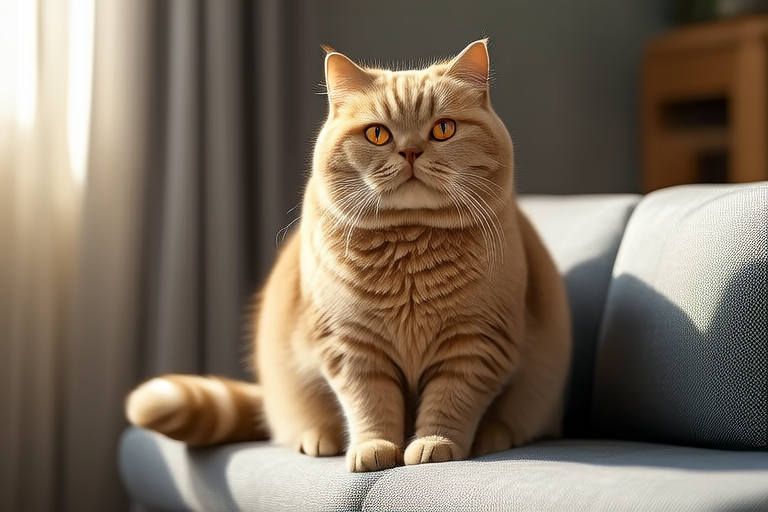
Golden British Shorthairs: The Ultimate Guide for Cat Enthusiasts
The Golden British Shorthair is a unique and captivating breed that has captured the hearts of many cat enthusiasts. This guide delves into the history, physical attributes, temperament, care, and health aspects of this beloved feline, offering valuable insights for both novice and seasoned cat lovers.
Origins of the Golden British Shorthair
The British Shorthair is one of the oldest breeds native to the United Kingdom, with a history dating back to Roman times. These cats were originally bred from domestic shorthairs brought over by the Romans. Over centuries, they have evolved into the robust, sturdy cats we know today. The introduction of gold-colored variants began in the mid-20th century, with selective breeding aimed at enhancing their distinctive coat color. This section explores the genetic basis behind the golden hue and its impact on the breed’s overall appearance.
Physical Characteristics of Golden British Shorthairs
Golden British Shorthairs are medium to large-sized cats, typically weighing between 9-14 pounds for males and 7-12 pounds for females. They possess a broad chest, short neck, and powerful limbs that support their muscular build. Their most striking feature is undoubtedly their plush, dense double coat, which is short yet thick, giving them a well-rounded appearance. The golden coloration ranges from light cream to rich amber, often with subtle tabby markings or ticking patterns.
Experts emphasize the importance of understanding these physical traits when selecting a cat, as they contribute significantly to the breed’s charm and appeal. Proper nutrition and environmental enrichment are crucial for maintaining their robust physique and glossy coat.
Personality Traits
Golden British Shorthairs are known for their calm and affectionate nature. They are generally easygoing and adaptable, making them excellent companions for families and individuals alike. These cats enjoy the company of humans but also value their independence. Their playful yet laid-back demeanor makes them suitable for households with children and other pets.
Scientific studies suggest that the breed’s temperament can be attributed to their genetic makeup, which includes genes responsible for regulating stress responses and social behavior. Understanding these factors helps potential owners prepare for a harmonious relationship with their new pet.
Grooming Needs
Despite their luxurious coats, Golden British Shorthairs require minimal grooming due to their short fur. Regular brushing once or twice a week helps remove loose hair and prevents matting. Bathing should be kept to a minimum, only when necessary, as frequent washing can strip natural oils from the skin.
It is essential to maintain dental hygiene through regular brushing and providing appropriate chew toys. Nail trimming may be needed every few weeks depending on how quickly they grow. Consultation with a veterinarian can provide personalized recommendations based on individual needs.
Common Health Issues
Like all breeds, Golden British Shorthairs are prone to certain health conditions. Hypertrophic cardiomyopathy (HCM), an inherited heart disease, affects some members of this breed. Early detection through regular veterinary check-ups and echocardiograms can help manage symptoms effectively. Other common issues include obesity, dental problems, and urinary tract infections.
Preventative measures such as maintaining a healthy weight through balanced diet and exercise, along with routine vet visits, play vital roles in ensuring longevity and well-being. Owners must remain vigilant about any changes in behavior or physical condition and seek professional advice promptly.
Dietary Requirements
A balanced diet tailored to meet the nutritional needs of Golden British Shorthairs is critical for optimal health. High-quality commercial cat foods formulated specifically for indoor cats or those with sensitive stomachs are recommended. Wet food can supplement dry kibble, providing additional moisture and variety.
Owners should monitor portion sizes carefully to avoid overfeeding, which could lead to obesity. Fresh water should always be available, especially if wet food isn’t part of the daily routine. Consulting with a veterinarian regarding specific dietary needs ensures proper nourishment throughout different life stages.
Tips for Potential Owners
Choosing a reputable breeder who prioritizes health testing and socialization practices is paramount. Newcomers might find it beneficial to adopt rather than purchase from breeders, as shelters often house purebred animals needing homes. Regardless of acquisition method, introducing the newcomer gradually allows them time to adjust to their new environment.
Creating a stimulating living space complete with scratching posts, interactive toys, and comfortable resting areas enhances quality of life. Providing mental stimulation through puzzle feeders or training sessions encourages cognitive development while fostering a stronger bond between owner and pet.
In conclusion, owning a Golden British Shorthair offers countless joys and responsibilities. By understanding their background, physical attributes, personalities, care requirements, and potential health concerns, prospective owners can make informed decisions leading to fulfilling relationships with these magnificent creatures.
