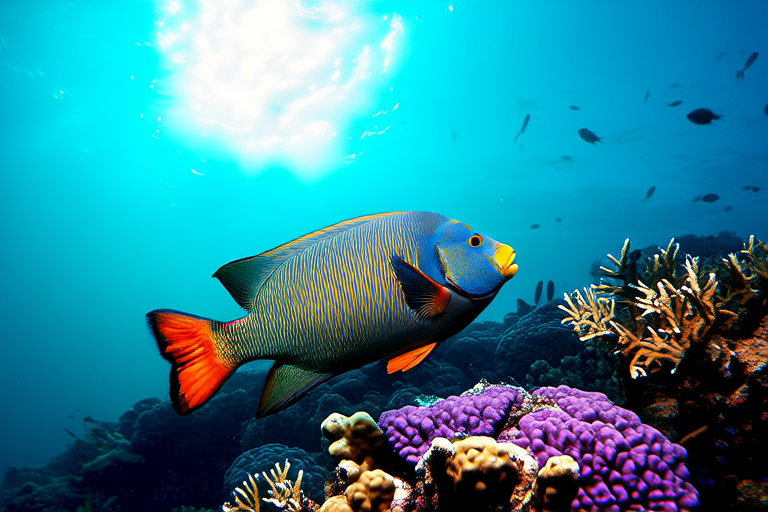
From Coral Reefs to Aquariums: A Journey into the Life of Parrot Fish
The vibrant and diverse world of coral reefs teems with life, and among its most colorful inhabitants are parrotfish. These remarkable creatures, known for their striking colors and unique feeding habits, play a crucial role in the marine ecosystem. This article delves into the natural habitat and behavior of parrotfish in coral reefs, their dietary habits, ecological significance, and面临的生存威胁. It also explores the challenges and considerations involved in transitioning some species from their natural habitats to aquarium settings, while highlighting conservation efforts and the importance of maintaining biodiversity.
Natural Habitat and Behavior
Parrotfish are primarily found in tropical and subtropical waters around the world, with a particular concentration in the Indo-Pacific region. They inhabit coral reefs, seagrass beds, and rocky shores, where they find both food and shelter. Coral reefs provide an ideal environment for these fish, offering abundant sources of food and protection from predators. The complex structure of coral reefs provides numerous hiding spots and crevices where parrotfish can retreat when threatened.
Parrotfish are known for their distinctive beak-like mouths, which they use to scrape algae off coral and rock surfaces. This feeding behavior not only sustains them but also plays a vital role in maintaining the health of coral reefs. By grazing on algae, parrotfish prevent excessive growth that could otherwise smother corals and inhibit their photosynthesis. Their feeding activities also contribute to the recycling of nutrients within the reef ecosystem.
These fish are highly social and often form schools, especially when young. As they mature, they may become more solitary or pair up for mating purposes. Their schooling behavior helps protect them from predators, as it is harder for larger fish to single out one individual in a group. Parrotfish are also known for their vibrant colors and patterns, which serve various functions, such as camouflage, communication, and attracting mates.
Dietary Habits
The diet of parrotfish consists mainly of algae, which they consume by scraping it off rocks and coral with their strong beaks. In addition to algae, they may also feed on small invertebrates, detritus, and other organic matter found on the reef. Some species have specialized teeth that allow them to grind and digest calcium carbonate from the coral itself, which they then excrete as sand. This process is particularly important for the formation and maintenance of sandy beaches in many tropical regions.
The feeding habits of parrotfish are closely linked to their ecological role in coral reef ecosystems. By controlling algal growth, they help maintain the delicate balance between corals and algae. Excessive algal growth can lead to coral decline, as algae compete with corals for space and resources. Therefore, parrotfish act as important herbivores, ensuring that coral reefs remain healthy and productive.
Ecological Role
Parrotfish play a vital role in maintaining the health and stability of coral reefs. Their grazing activities help control algal growth, promoting the survival of corals and contributing to the overall productivity of the reef. Additionally, their excretion of calcium carbonate contributes to the formation of new coral structures and the maintenance of reef habitats.
Parrotfish are also important for the tourism industry, as their bright colors and interesting behaviors make them a popular attraction for divers and snorkelers. The presence of parrotfish in coral reefs enhances the aesthetic appeal of these ecosystems, drawing visitors from around the world and generating significant economic benefits for local communities.
面临的生存威胁
Despite their importance to coral reef ecosystems, parrotfish face numerous threats that put their survival at risk. Overfishing is one of the primary concerns, as these fish are often targeted for their meat and vibrant colors. In some regions, fishing practices have led to significant declines in parrotfish populations, disrupting the balance of coral reef ecosystems.
Another major threat to parrotfish is habitat destruction. Coastal development, pollution, and climate change all contribute to the degradation of coral reefs, reducing the availability of suitable habitats for these fish. As coral reefs decline, so too does the abundance and diversity of parrotfish species.
Climate change poses additional challenges for parrotfish, as rising sea temperatures and ocean acidification can negatively impact coral reefs. Warmer waters can cause coral bleaching, a phenomenon where corals expel the symbiotic algae that live within their tissues, leading to their death. Ocean acidification, caused by increased levels of carbon dioxide in the atmosphere, can weaken coral skeletons and reduce their ability to grow and repair themselves.
Transition to Aquarium Settings
Some species of parrotfish are occasionally captured for the aquarium trade, where they are kept in home or public aquariums. While this practice can raise awareness about marine life and promote conservation efforts, it also presents several challenges and considerations.
One of the main challenges in keeping parrotfish in aquariums is providing them with an appropriate diet. In the wild, parrotfish graze on algae and other organic matter found on coral reefs. In captivity, it can be difficult to replicate this diet, and some species may require specialized feeding regimens to ensure their health and well-being. Additionally, parrotfish are known for their large size and active nature, which can make them challenging to house in smaller aquariums.
Another consideration is the ethical implications of removing parrotfish from their natural habitats. While some individuals are bred in captivity, many are still caught in the wild, raising concerns about the sustainability of the practice. It is essential to ensure that any parrotfish kept in aquariums come from responsible and sustainable sources.
Conservation Efforts
To address the threats facing parrotfish and their coral reef habitats, various conservation efforts are underway. Marine protected areas (MPAs) are established to safeguard critical habitats and allow parrotfish populations to recover. These areas restrict fishing and other harmful activities, allowing coral reefs to thrive and supporting the recovery of parrotfish populations.
Additionally, efforts are being made to raise awareness about the importance of coral reefs and the role of parrotfish within them. Educational programs and outreach initiatives aim to inform the public about the threats facing marine ecosystems and encourage responsible behavior, such as reducing plastic waste and supporting sustainable fishing practices.
Research into the biology and ecology of parrotfish is also crucial for developing effective conservation strategies. Understanding the specific needs and behaviors of different species can help guide management decisions and ensure the long-term survival of these important fish.
Maintaining Biodiversity
Maintaining biodiversity is essential for the health and resilience of coral reef ecosystems. Parrotfish, along with other species, contribute to the complexity and richness of these environments. By protecting parrotfish and their habitats, we can help preserve the intricate web of life that exists within coral reefs.
Protecting parrotfish also has broader implications for marine conservation. Coral reefs are among the most biodiverse ecosystems on Earth, and their loss would have far-reaching consequences for global biodiversity. By safeguarding parrotfish and their habitats, we can contribute to the preservation of these valuable ecosystems and the countless species that depend on them.
