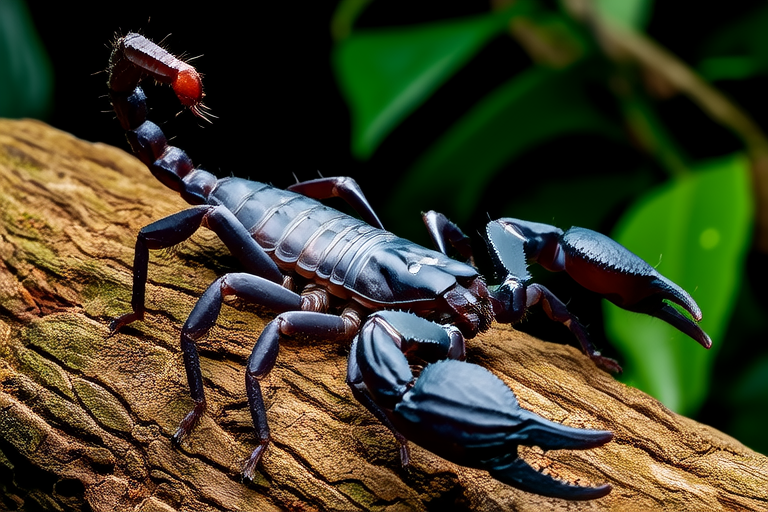
From Fear to Fascination: Discovering the Gentle Side of Heterometrus Spinifer
In the realm of arachnids, the Heterometrus spinifer, commonly known as the Asian forest scorpion, often elicits a mix of fear and fascination among people. This species, with its menacing appearance and formidable reputation, is frequently misunderstood. However, delving into the world of Heterometrus spinifer reveals a creature of remarkable gentleness and unique characteristics. This article aims to shed light on the life of this scorpion, dispelling common myths and fostering an appreciation for its role in maintaining ecological balance.
The Misunderstood Predator
The first thing that strikes most people when they encounter a Heterometrus spinifer is its intimidating size and the sharp spines along its tail. These features, combined with the scorpion’s nocturnal habits, have contributed to its reputation as a dangerous predator. In reality, Heterometrus spinifer plays a vital role in its ecosystem, preying primarily on insects and small vertebrates. While their venom can cause pain and discomfort, it is rarely lethal to humans, making them more of a nuisance than a threat.
Habitat and Diet
Heterometrus spinifer thrives in the tropical forests of Southeast Asia, from India to Indonesia. They prefer humid environments and can be found under logs, in tree hollows, or among leaf litter. The scorpions’ diet consists mainly of insects, spiders, and other small invertebrates. Their ability to adapt to various habitats makes them resilient, but it also underscores the importance of preserving their natural environment.
One interesting aspect of their diet is their preference for crickets. In captivity, many enthusiasts feed their scorpions crickets, which helps maintain their health and well-being. Observing how they capture and consume their prey provides insight into their hunting techniques and the efficiency of their venom.
Behavior and Social Structure
Contrary to popular belief, Heterometrus spinifer is not inherently aggressive. In fact, they are solitary creatures that avoid confrontation. During the day, they remain hidden in their burrows or under cover, emerging at night to hunt. When threatened, they may raise their tail as a defensive posture, but they will only sting if cornered or provoked.
Despite their solitary nature, Heterometrus spinifer exhibit complex behaviors during mating. Males perform elaborate dances to attract females, and once paired, they engage in a ritualistic courtship before mating. Afterward, the female lays her eggs and cares for them until they hatch, demonstrating a level of maternal instinct not often associated with scorpions.
Personal Encounters
My first encounter with a Heterometrus spinifer was both enlightening and humbling. I had always harbored a certain fear of scorpions, but my experience with this particular species changed my perspective. I observed a pair of scorpions engaged in what appeared to be a dance. Their movements were graceful and deliberate, far removed from the stereotype of mindless aggression.
Another memorable moment involved watching a mother scorpion care for her offspring. She carried them on her back, protecting them from harm. It was a poignant reminder of the intricate social structures and behaviors that exist within the animal kingdom.
Conservation Efforts
As human populations expand and encroach upon natural habitats, many species face the threat of extinction. Heterometrus spinifer is no exception. Conservation efforts are crucial to ensuring the survival of this species and maintaining the ecological balance it helps to sustain.
Several organizations are dedicated to protecting the habitats of Heterometrus spinifer and other endangered species. By supporting these initiatives, we can contribute to the preservation of biodiversity and the health of our planet. Education plays a significant role in these efforts, helping to foster an appreciation for these creatures and encouraging responsible stewardship of the environment.
Understanding and Appreciation
Learning about Heterometrus spinifer has been a journey of discovery, challenging preconceived notions and fostering a deeper understanding of these fascinating creatures. By approaching them with curiosity and respect, we can shift our perception from fear to fascination.
As we continue to explore the natural world, it is essential to remember the interconnectedness of all living things. Each species, no matter how small or seemingly insignificant, plays a crucial role in maintaining the delicate balance of ecosystems. By embracing our role as stewards of the earth, we can ensure the continued existence of Heterometrus spinifer and countless other species for generations to come.
Through education and awareness, we can inspire others to view these creatures with wonder and admiration, rather than fear. Let us embark on this journey together, discovering the gentle side of Heterometrus spinifer and celebrating the beauty and complexity of the natural world.
