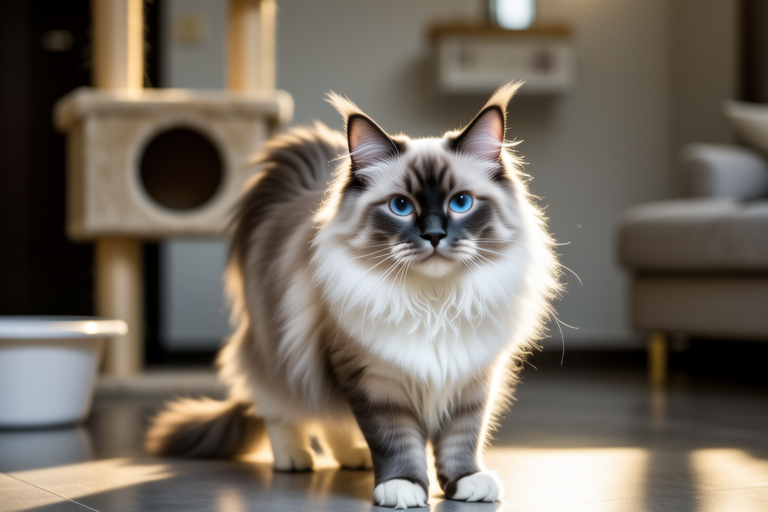
Secrets to Keeping Your Maine Coon Happy and Healthy
Welcome to the world of Maine Coons! These majestic cats are known for their gentle nature, playful demeanor, and striking appearance. With their long, flowing coats and large size, Maine Coons are a favorite among cat enthusiasts. However, owning one comes with certain responsibilities to ensure they remain happy and healthy. This guide will walk you through the essential aspects of caring for your Maine Coon, from diet and exercise to grooming and environmental enrichment.
Dietary Needs Tailored for Maine Coons
Maine Coons have specific dietary requirements due to their larger size and active lifestyle. Their diet should be rich in high-quality protein, which is crucial for maintaining muscle mass and overall health. Opt for food that lists meat as the primary ingredient, avoiding those with fillers or excessive carbohydrates. Maine Coons can be prone to obesity, so portion control is vital. Consult with your veterinarian to determine the right amount of food for your cat’s age, weight, and activity level.
Vitamins and minerals play a significant role in keeping your Maine Coon healthy. Taurine, an essential amino acid, is particularly important for heart and eye health. Omega-3 fatty acids support skin and coat health, while antioxidants help fight off free radicals and boost immunity. Many commercial cat foods include these nutrients, but you might also consider adding supplements under veterinary guidance.
Hydration is another critical aspect of a Maine Coon’s diet. Encourage water intake by providing fresh, clean water at all times. Consider using a water fountain or placing multiple water bowls around the house to make it more accessible. Some owners find that wet food helps increase water consumption since it has a higher moisture content compared to dry kibble.
Essential Exercise Routines
Maine Coons are naturally curious and energetic, making them excellent candidates for interactive play sessions. Regular exercise helps maintain their physical fitness, prevents obesity, and reduces the risk of behavioral issues. Engage your Maine Coon with toys that stimulate their hunting instincts, such as feather wands, laser pointers, or puzzle feeders.
Interactive playtime should last about 10-15 minutes twice daily. Rotate toys regularly to keep your cat interested and engaged. Incorporate climbing structures into your home, as Maine Coons love to explore high places. Cat trees, shelves, and window perches provide both physical exercise and mental stimulation.
Outdoor access can be beneficial for Maine Coons, but safety is paramount. If you live in a secure area with no threats from wildlife or traffic, consider supervised outdoor time. Otherwise, create an indoor environment that mimics the outdoors, complete with scratching posts, tunnels, and hideouts.
Grooming Tips
Maine Coons are famous for their luxurious double coats, which require regular grooming to prevent matting and shedding. Brush your cat several times a week, paying special attention to areas prone to tangles, such as behind the ears and under the tail. Use a slicker brush or comb designed for long-haired breeds.
Bathing your Maine Coon may be necessary if they get into something messy or if they develop a skin condition. However, most Maine Coons prefer not to be bathed frequently. If you decide to bathe your cat, use a mild, feline-specific shampoo and ensure thorough rinsing to avoid irritation. Always dry your cat thoroughly after bathing to prevent chills.
Trimming nails is an essential part of grooming. Long nails can cause discomfort and lead to claw overgrowth. Trim the tips of the claws every few weeks, taking care not to cut the quick (the pink tissue inside the nail). You can use nail clippers or a guillotine-style trimmer, and consider offering treats as positive reinforcement during the process.
Common Health Issues and Preventive Care
Like all breeds, Maine Coons are susceptible to certain health conditions. Hip dysplasia, cardiomyopathy, and polycystic kidney disease are among the most prevalent issues. Regular veterinary check-ups are crucial for early detection and management of these conditions. Your vet can recommend appropriate screening tests based on your cat’s age and breed predispositions.
Vaccinations and parasite prevention are equally important. Keep your Maine Coon up-to-date on core vaccines, such as rabies, distemper, and calicivirus. Flea, tick, and heartworm preventatives should be administered year-round, especially if your cat spends time outdoors. Discuss the best options with your veterinarian, as some products may be more suitable for large breeds like Maine Coons.
Spaying or neutering your Maine Coon is recommended for several reasons. It helps prevent unwanted litters and reduces the risk of certain cancers and behavioral problems. Consult with your vet regarding the optimal timing for this procedure, typically between six and nine months of age.
Ways to Enrich Their Environment for Mental Stimulation
Maine Coons are intelligent and inquisitive creatures that thrive when provided with mental challenges. Interactive toys and puzzles encourage problem-solving skills and keep your cat mentally sharp. Consider purchasing treat-dispensing toys or creating DIY puzzles using cardboard boxes and paper rolls.
Environmental enrichment can take many forms. Introduce new textures, smells, and sounds to stimulate your cat’s senses. Rotate different types of bedding, offer various scratching surfaces, and occasionally change the layout of furniture to keep things interesting. Providing vertical spaces, such as cat trees or shelves, allows your Maine Coon to explore different levels of the room.
Social interaction is also vital for your cat’s well-being. Spend quality time playing and cuddling with your Maine Coon daily. If you’re away for long periods, consider hiring a pet sitter or using automated feeders and cameras to monitor your cat’s behavior and provide companionship.
Conclusion
Caring for a Maine Coon is a rewarding experience filled with joy and companionship. By understanding their unique dietary needs, providing ample exercise opportunities, maintaining proper grooming practices, addressing potential health concerns proactively, and enriching their environment, you’ll ensure your Maine Coon lives a long, healthy, and happy life. Remember, each cat is an individual, so tailor your approach based on your pet’s specific preferences and requirements. With dedication and love, you’ll create a nurturing home where your Maine Coon can flourish.
