The Ultimate Siamese Cat Care Handbook for New and Old Owners
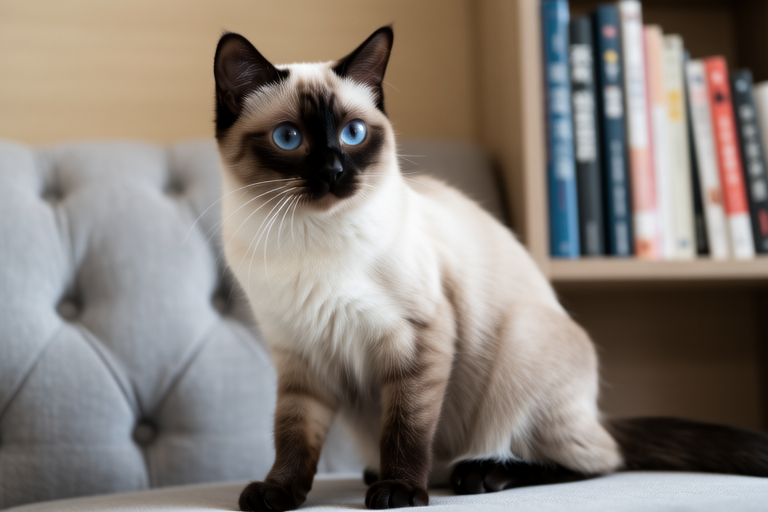
Welcome to the world of Siamese cats! Known for their striking blue almond-shaped eyes, sleek coats, and vocal nature, these beautiful felines have captured the hearts of many pet owners. This comprehensive guide will provide you with all the information you need to care for your Siamese cat, whether you’re a new owner or an experienced one.
Siamese Cat History
The Siamese breed has a rich history that dates back centuries. Originating in Thailand (formerly known as Siam), these cats were revered and often kept in temples and palaces. They were believed to bring good luck and were sometimes considered sacred. The first Siamese cats were brought to Britain in the late 19th century and quickly gained popularity due to their unique appearance and charming personalities.
Temperament
Siamese cats are known for their social and interactive nature. They thrive on companionship and often form strong bonds with their owners. These cats are highly intelligent and can be quite vocal, often ‘talking’ to their humans. Their playful and curious demeanor makes them excellent pets for families and individuals looking for an active companion.
Dietary Needs
Siamese cats require a balanced diet rich in protein, fat, vitamins, and minerals. High-quality commercial cat foods formulated for specific life stages (kitten, adult, senior) are recommended. Fresh water should always be available. Avoid feeding them human food, especially those containing onions, garlic, or chocolate, which can be toxic. Consult your veterinarian about supplements if necessary.
Grooming Tips
Siamese cats have short, fine coats that are relatively easy to maintain. Regular brushing helps to remove loose hair and prevent matting. Bathe your cat every few months or as needed. Pay attention to their ears, cleaning them gently with a damp cloth if they appear dirty. Trim their nails regularly to avoid overgrowth, which can cause discomfort and potential injury.
Health Concerns
Siamese cats are generally healthy but may be prone to certain genetic conditions. Hypertrophic cardiomyopathy, a heart disease, is more common in this breed. Periodontal disease is also prevalent, so regular dental check-ups are essential. Keep an eye out for signs of illness, such as changes in appetite, behavior, or litter box habits. Early intervention is crucial for effective treatment.
Exercise Requirements
Siamese cats are energetic and enjoy physical activity. Provide them with toys that encourage jumping, chasing, and pouncing. Puzzle feeders can also stimulate their minds while providing mental enrichment. Interactive play sessions with your cat are beneficial for bonding and ensuring they stay fit and healthy.
Training Techniques
Training your Siamese cat can be rewarding. Positive reinforcement methods, such as treats and praise, work well. Teach basic commands like ‘sit’ or ‘come,’ and consider clicker training for more advanced tricks. Consistency is key; practice short, frequent sessions to keep them engaged and motivated.
Creating a Stimulating Environment
A stimulating environment is crucial for your Siamese cat’s happiness and well-being. Provide plenty of vertical spaces, such as cat trees and shelves, to allow them to explore and climb. Rotate toys to keep them interested, and offer scratching posts to satisfy their natural scratching instincts. Interactive playtime not only keeps them entertained but also strengthens your bond.
Real-Life Example
Take the story of Mia, a Siamese cat owned by Sarah. Mia was a lively kitten who quickly became Sarah’s constant companion. To keep her stimulated, Sarah installed cat trees and interactive toys. She also introduced puzzle feeders, which Mia loved. Mia’s energy levels remained high, and she stayed mentally sharp. Sarah’s dedication to Mia’s well-being ensured a happy and healthy relationship between them.
Expert Opinion
Dr. Emily Thompson, a veterinarian specializing in feline behavior, emphasizes the importance of a stimulating environment. “Siamese cats are intelligent and social creatures,” she says. “Providing them with mental and physical challenges helps prevent boredom and potential behavioral issues.”
Conclusion
Caring for a Siamese cat is a rewarding experience filled with love, laughter, and companionship. By understanding their history, temperament, dietary needs, and health concerns, you can ensure your Siamese cat lives a long, healthy, and happy life. Remember, each cat is unique, so tailor your care to suit their individual needs. With the right balance of attention, affection, and care, your Siamese cat will become an integral part of your family.
