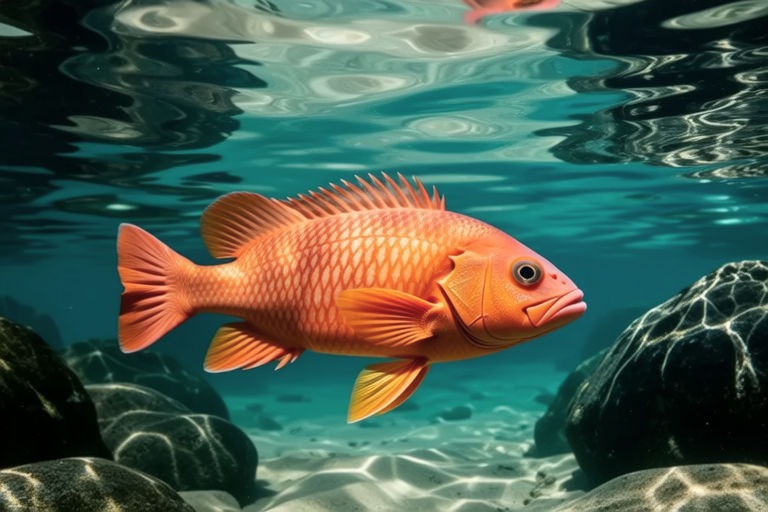
Rajah Cichlid Behavior Explained: Tips for New Owners
Welcome to the fascinating world of Rajah Cichlids! These captivating fish are known for their striking appearance and intriguing behavior. As a new owner, understanding your Rajah Cichlid’s unique characteristics, behaviors, and specific needs will ensure you provide the best possible care for these vibrant creatures. This article aims to guide you through the essentials of Rajah Cichlid care, offering valuable insights into their behavior, ideal tank setup, and maintenance routines.
Introduction to Rajah Cichlids
Rajah Cichlids, scientifically named Aequidens rivulatus, are a species of freshwater fish native to the rivers and streams of Guyana, Suriname, and French Guiana in South America. Known for their bold colors and distinct patterns, Rajah Cichlids can grow up to 6 inches in length. Males typically exhibit more vibrant hues, including shades of blue, green, and red, while females display more subdued tones. Their bodies are adorned with vertical stripes, which help them blend into their natural surroundings, making them adept at hiding from predators.
Their native habitat is characterized by dense vegetation and rocky substrates, providing ample cover and hiding spots. In the wild, Rajah Cichlids are omnivorous, feeding on a variety of insects, small crustaceans, and plant matter. Understanding their natural environment is crucial for replicating it in an aquarium setting, ensuring the well-being of these beautiful fish.
Understanding Rajah Cichlid Behavior
Territorial Displays
Rajah Cichlids are known for their territorial nature. In the wild, they establish and defend specific territories within their habitat. In captivity, this behavior manifests as frequent chasing and posturing towards other fish, especially those perceived as intruders. Male Rajah Cichlids, in particular, become highly aggressive during breeding seasons, establishing dominance over potential rivals. While this behavior can be concerning for new owners, it’s essential to recognize that it’s a natural part of their instinctive drive to protect their space.
To manage territorial displays, it’s crucial to provide ample hiding spots and territory boundaries within the tank. This can be achieved by incorporating driftwood, rocks, and plants. Ensuring each fish has its own space can reduce conflicts and promote a more peaceful aquarium environment.
Breeding Habits
Rajah Cichlids are monogamous breeders, meaning they form pairs and mate exclusively with one another. During the breeding season, males engage in elaborate courtship rituals, displaying vibrant colors and performing intricate dances to attract a mate. Once paired, the female will select a suitable location, often a flat surface like a rock or leaf, to lay her eggs. The male then fertilizes the eggs, after which both parents take turns guarding the clutch.
It’s important to note that breeding Rajah Cichlids can be challenging and requires careful planning. Providing a well-maintained environment with optimal water conditions and a balanced diet is essential for successful breeding. Additionally, separating the fry (young fish) from the adults is necessary to prevent cannibalism.
Social Interactions
Rajah Cichlids are generally solitary and prefer to live alone or in pairs. However, when housed together in a community tank, they can display interesting social behaviors. They may form alliances with other Rajah Cichlids or engage in playful interactions with non-aggressive tank mates. Observing these interactions can be a rewarding experience for any aquarist, offering a glimpse into the complex social dynamics of these fish.
While Rajah Cichlids can coexist peacefully with certain species, it’s vital to choose compatible tank mates carefully. Aggressive or overly competitive fish should be avoided to prevent stress and potential harm to the Rajah Cichlids.
Tips for Setting Up the Ideal Tank Environment
Water Parameters
Maintaining proper water parameters is crucial for the health and longevity of Rajah Cichlids. These fish thrive in slightly acidic to neutral water with a pH range of 6.0 to 7.0. The temperature should be kept between 75°F and 82°F (24°C to 28°C). Regular water changes, using a high-quality filter, and monitoring water chemistry with test kits are essential to ensure optimal conditions.
Adequate filtration is vital for removing waste and maintaining water quality. A filter that provides gentle water flow and efficient biological filtration is recommended. Additionally, consider installing a heater to maintain a stable temperature and an air pump to enhance oxygenation.
Tank Mates Compatibility
Selecting appropriate tank mates is key to creating a harmonious aquarium environment. Rajah Cichlids are best suited for single-species tanks or paired with non-aggressive species that share similar water requirements. Some compatible options include other cichlids, such as the Keyhole Cichlid or the Bolivian Ram, as well as peaceful bottom-dwelling fish like Corydoras catfish.
Avoid housing Rajah Cichlids with aggressive or highly active species, as this can lead to stress and potential injury. It’s also important to consider the size and temperament of potential tank mates to ensure they won’t outcompete Rajah Cichlids for food or space.
Feeding Habits
Rajah Cichlids are omnivores, requiring a balanced diet that includes both protein-rich foods and plant matter. High-quality flake food, pellets, and frozen or freeze-dried bloodworms, brine shrimp, and daphnia can serve as excellent sources of nutrition. Additionally, incorporating algae wafers or blanched vegetables like spinach or zucchini can provide essential vitamins and minerals.
Feed your Rajah Cichlids twice daily, offering only what they can consume within a few minutes to prevent overfeeding. Overfeeding can lead to poor water quality and health issues. Monitoring their eating habits and adjusting feed amounts accordingly is crucial for their well-being.
Maintaining Health and Happiness
Regular monitoring and care routines are essential for keeping Rajah Cichlids healthy and happy. Pay close attention to their behavior, appetite, and physical condition. Any signs of lethargy, loss of appetite, or unusual coloration should prompt immediate action, including consulting a veterinarian specializing in aquatic animals.
Perform routine water changes, cleaning the tank and equipment to maintain optimal water quality. Regularly check water parameters and make adjustments as needed. By staying proactive in your care routine, you’ll ensure your Rajah Cichlids enjoy a long and fulfilling life in your aquarium.
Conclusion
Understanding and appreciating the unique characteristics and behaviors of Rajah Cichlids is key to becoming a successful and responsible owner. By providing the right environment, choosing compatible tank mates, and following proper feeding and care routines, you can ensure your Rajah Cichlids thrive in their new home. Embrace the journey of learning and growing alongside your vibrant Rajah Cichlids, and enjoy the rewarding experience of caring for these magnificent fish.
