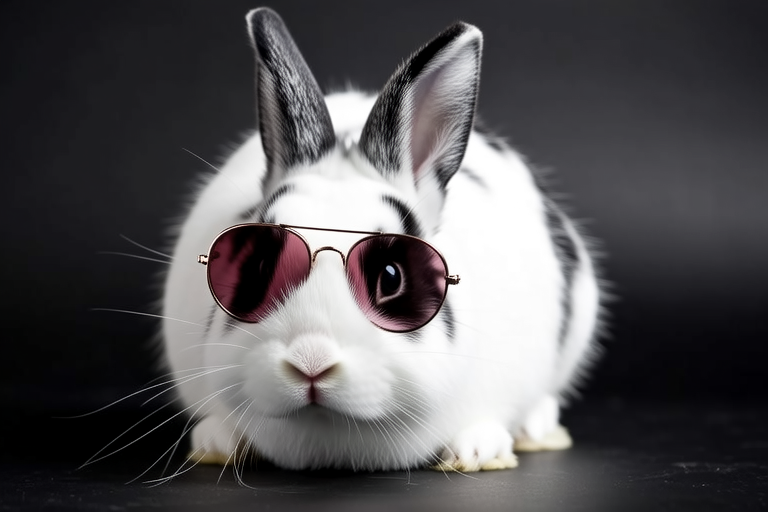
The Hotot Rabbit: More Than Just a Pretty Face?
The Hotot rabbit is a breed that has captured the hearts of many with its striking appearance. Known for its distinct white fur and black rings around its eyes, this breed is more than just a pretty face. In this article, we will delve into the unique characteristics of the Hotot rabbit, including its history, temperament, care requirements, and common health issues. We’ll also explore how it differs from other rabbit breeds and provide tips for potential owners.
A Brief History and Origin
The Hotot rabbit originated in France in the early 20th century. It was developed by Eugenie Bernhard, who aimed to create a breed that would have a pure white coat with black eye-rings. Her efforts resulted in a rabbit that is now recognized worldwide for its unique appearance. The breed was introduced to the United States in the 1970s and quickly gained popularity among rabbit enthusiasts.
Distinctive Appearance Beyond the Markings
Beyond the famous eye-rings, the Hotot rabbit has a sleek, compact body that is well-proportioned. They typically weigh between 4 and 6 pounds, making them a medium-sized breed. Their short, dense fur is soft to the touch and requires minimal grooming. The white coloration of their fur is one of their most defining features, and it is often described as snow-white. This breed’s eye-rings, which are usually jet black, are surrounded by a thin white ring, giving them a striking appearance that resembles mascara.
Temperament and Personality
Hotot rabbits are known for their friendly and docile nature. They are generally calm and easygoing, making them excellent pets for families with children. These rabbits enjoy human interaction and can be quite affectionate. However, like any animal, individual personalities can vary. Some Hotots may be more independent, while others might prefer constant attention. Training your Hotot to come when called or sit on your lap can be rewarding and strengthen your bond with your pet.
Care Requirements
Proper care is essential for keeping your Hotot happy and healthy. A spacious cage is necessary to allow them room to move around and stretch their legs. The cage should be cleaned regularly to prevent odor and bacteria buildup. Additionally, providing toys and tunnels can help stimulate their natural instincts and prevent boredom.
Diet is another crucial aspect of caring for your Hotot. A balanced diet consisting of hay, fresh vegetables, and a small amount of pellets is recommended. Fresh water should always be available. Avoid feeding them foods high in sugar or starch, as these can lead to obesity and other health issues.
Common Health Issues
Like all animals, Hotot rabbits are susceptible to certain health problems. One of the most common issues is dental disease. Overgrown teeth can cause discomfort and difficulty eating. Regular dental check-ups by a veterinarian are recommended to catch any potential problems early. Other health concerns include respiratory infections, which can be caused by poor ventilation or overcrowding, and gastrointestinal stasis, which occurs when the digestive system slows down or stops.
Differences from Other Rabbit Breeds
The Hotot rabbit stands out from other breeds due to its distinctive eye-rings and overall appearance. While there are many rabbit breeds, each with its own unique characteristics, the Hotot’s unique marking sets it apart. For example, compared to the Netherland Dwarf, which is smaller and more compact, the Hotot is slightly larger and has a more robust build. Similarly, the Lionhead rabbit, known for its mane-like fur, differs from the Hotot in terms of size and appearance.
Tips for Potential Owners
If you’re considering adopting a Hotot rabbit, there are several factors to keep in mind. First, ensure you have the time and resources to provide proper care. Rabbits require daily attention and a clean environment. Second, research local veterinarians who specialize in exotic pets to ensure your rabbit receives the best possible medical care. Lastly, consider whether you have the space for a rabbit. While they don’t require large spaces, they do need enough room to move around freely.
Training your Hotot can also be beneficial. Teaching them basic commands or tricks can help strengthen your bond and provide mental stimulation. Socialization is important, especially if you plan to introduce your Hotot to other pets or children. Gradually introducing them to new environments and people can help them adjust and feel more comfortable.
Conclusion
The Hotot rabbit is a unique and beautiful breed that offers much more than just its striking appearance. With their friendly temperament and playful nature, they make wonderful companions for those willing to provide proper care and attention. By understanding their specific needs and requirements, you can ensure a long and happy life for your Hotot rabbit. Whether you’re a seasoned rabbit owner or a first-time adopter, the Hotot rabbit is sure to bring joy and companionship to your home.
