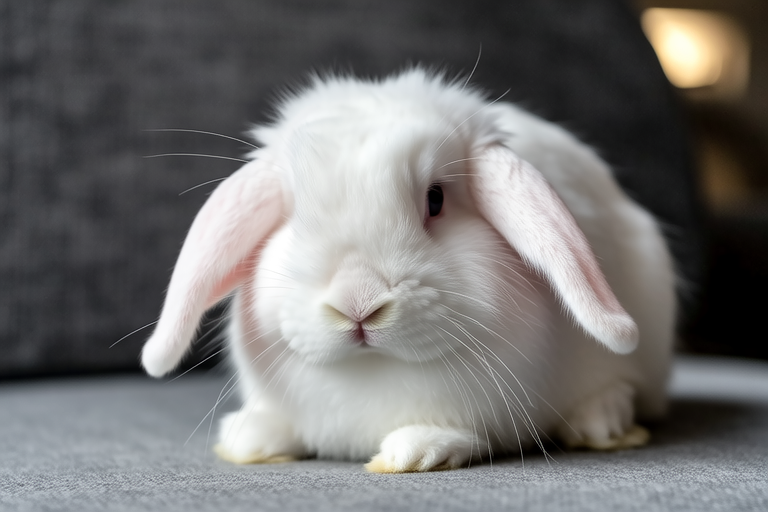
How to Groom and Love Your Fluffy Lop Eared Friend
Welcome to the wonderful world of lop-eared pets! Whether you’re a seasoned pet owner or just starting out, taking care of your fluffy friend requires a bit of dedication and love. In this guide, we’ll cover everything from grooming techniques to bonding activities, ensuring your lop-eared companion remains healthy, happy, and looking their best.
Grooming Techniques for Lop-Eared Pets
Lop-eared pets, such as bunnies and certain breeds of dogs, have unique grooming needs due to their floppy ears and thick fur. Proper grooming not only keeps them clean and comfortable but also helps prevent health issues.
Brushing Methods
Regular brushing is essential to keep your pet’s coat soft and free from tangles. Choose a brush that suits your pet’s coat type. For instance, a slicker brush works well for short-haired lops, while a bristle brush is better for longer coats.
- Frequency: Brush your pet at least twice a week, more often during shedding seasons.
- Technique: Start by gently combing through the fur with your fingers to remove any loose hair or debris. Then, use the brush in the direction of hair growth, applying gentle pressure.
Bathing Tips
While lop-eared pets generally don’t require frequent baths, occasional cleaning can be necessary. Use a mild, pet-safe shampoo and warm water.
- Frequency: Bathe your pet every 4-6 weeks, depending on their activity level and environment.
- Steps: Wet your pet thoroughly, apply shampoo, and massage gently. Rinse thoroughly to avoid skin irritation.
Nail Trimming
Overgrown nails can cause discomfort and even lead to mobility issues. Regular nail trimming is crucial.
- Tools: Invest in a good-quality nail clipper designed for pets.
- Procedure: Trim only the tip of the nail, avoiding the quick (the pink part containing blood vessels). If you accidentally cut into the quick, apply styptic powder to stop bleeding.
Ear and Eye Care
Floppy ears can trap dirt and moisture, leading to infections if not properly cared for.
- Ears: Clean your pet’s ears weekly with a cotton ball dipped in a pet-safe ear cleaner. Avoid using cotton swabs, as they can push dirt further inside.
- Eyes: Wipe around the eyes with a damp cloth to remove any discharge or debris. Check for redness, swelling, or excessive tearing, which may indicate an infection.
Bonding Activities to Strengthen the Owner-Pet Relationship
Spending quality time with your lop-eared pet is vital for their emotional well-being. Here are some fun activities to bond with your furry friend:
- Playtime: Engage in interactive play with toys suited for your pet’s size and energy level.
- Training: Teach basic commands using positive reinforcement techniques like treats and praise.
- Massage: Gentle massages can help reduce stress and improve circulation.
Common Health Issues
Despite their adorable appearance, lop-eared pets can be prone to specific health problems. Early detection and intervention are key to maintaining their health.
- Ear Infections: Due to their floppy ears, these pets are susceptible to bacterial and yeast infections. Look for signs like odor, redness, or excessive scratching.
- Eye Irritation: Tears can accumulate in the corners of the eyes, leading to irritation. Regular cleaning can prevent this.
- Joint Problems: Obesity can exacerbate joint issues, so maintain a healthy weight through diet and exercise.
Dietary Recommendations
A balanced diet is crucial for your pet’s overall health and longevity. Consult your veterinarian for personalized dietary advice based on your pet’s age, breed, and activity level.
- High-Quality Food: Opt for premium pet food that meets your pet’s nutritional needs.
- Water: Always provide fresh, clean water.
- Treats: Limit treats to avoid overfeeding and obesity.
The Importance of Regular Grooming
Regular grooming is not just about keeping your pet looking good; it’s also about maintaining their health. By grooming your pet regularly, you can catch potential health issues early, ensuring prompt treatment.
Remember, grooming is a great way to bond with your pet. Make it a positive experience by using treats and praise during grooming sessions.
Conclusion
Caring for a lop-eared pet is a rewarding experience filled with love and companionship. By following these grooming techniques, engaging in bonding activities, and addressing common health issues, you can ensure your fluffy friend lives a long, healthy life. Take pride in being your pet’s loving caretaker, and enjoy the many joys of sharing your life with a lop-eared companion.
