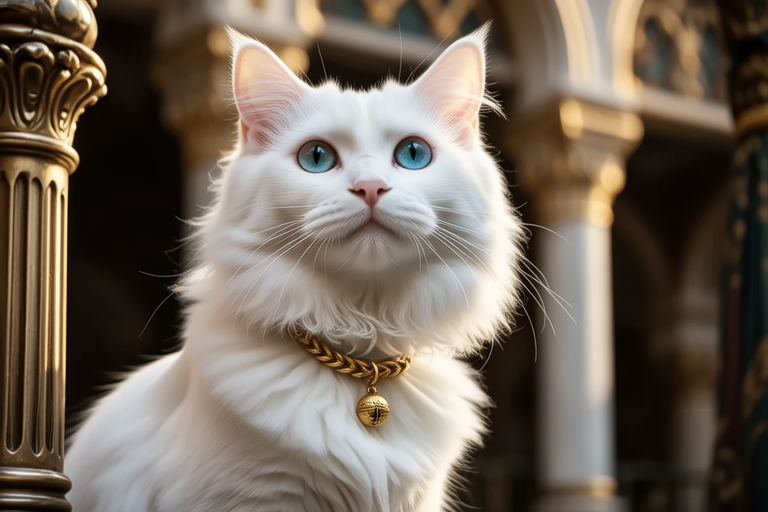
The Turkish Angora: A Royal Legacy
The Turkish Angora, with its illustrious history and distinctive features, stands out among the world’s most admired cat breeds. This elegant feline has been a fixture in the lives of humans for centuries, from serving as royal companions in the opulent Ottoman palaces to becoming cherished pets in homes around the globe. The breed’s journey is marked by fascinating historical milestones, unique physical attributes, and an endearing temperament that continues to captivate cat lovers everywhere.
Origins and Early History
The roots of the Turkish Angora can be traced back to ancient times when these graceful cats were revered in the region now known as Turkey. Their presence in the area dates back thousands of years, with depictions of similar cats found in the frescoes of the ancient city of Çatalhöyük, which flourished around 7500 BCE. These early cats were likely descendants of the Asian wildcat (Felis silvestris ornata), and they adapted well to the diverse landscapes of Anatolia, from the rugged mountains to the fertile valleys.
During the rise of the Ottoman Empire, Turkish Angoras became highly prized and were often kept as companions to the ruling elite. They were pampered and protected within the grandeur of the Sultan’s palace, where they were believed to bring good fortune and ward off evil spirits. The cats’ elegance and grace made them ideal companions for the nobility, who often gifted them to visiting dignitaries as tokens of goodwill. This practice helped spread the breed’s fame beyond the borders of the empire, reaching Europe and other parts of Asia.
Key Historical Moments
The Turkish Angora’s journey through history is punctuated by several significant events that have shaped its legacy. One of the most notable periods was during the 16th century, when the breed began to gain recognition in Western Europe. French naturalist Buffon, in his extensive work on animal species, described the Turkish Angora as a distinct breed, contributing to its growing reputation. By the late 19th century, the breed had become a favorite among European aristocrats, further enhancing its prestige.
In the 20th century, the Turkish Angora faced a period of decline due to crossbreeding with other domestic cats. However, dedicated breeders worked tirelessly to preserve the purity of the breed. In the 1960s, efforts to conserve the Turkish Angora gained momentum when the Ankara Zoo in Turkey established a breeding program. This initiative aimed to protect the breed’s genetic integrity and ensure its survival. The zoo’s efforts were instrumental in maintaining the Turkish Angora’s unique characteristics and have been recognized internationally.
Physical Traits
The Turkish Angora is renowned for its striking appearance, characterized by a slender yet muscular build, long legs, and a graceful, arched neck. Its head is triangular, with large, pointed ears that give it an alert and intelligent expression. The breed’s most distinctive feature is its luxurious, silky coat, which comes in a wide array of colors, including white, black, blue, red, and cream. The coat is typically semi-longhaired, with minimal undercoat, making it relatively easy to maintain.
Turkish Angoras are medium-sized cats, with males generally weighing between 8 to 12 pounds and females slightly less at 6 to 9 pounds. Their eyes are almond-shaped and can come in various colors, including blue, green, gold, and odd-eyed (one eye of each color). The combination of these features results in a cat that is both visually stunning and physically impressive.
Temperament and Adaptability
Beyond their physical beauty, Turkish Angoras are celebrated for their charming personalities. They are known for being affectionate, playful, and highly intelligent, often forming strong bonds with their human companions. These cats are active and enjoy engaging in interactive play, making them ideal for households that can provide mental and physical stimulation. Their curiosity and agility make them excellent climbers and jumpers, and they often entertain their owners with their acrobatic displays.
Turkish Angoras are adaptable to various living environments, thriving equally well in urban apartments and rural settings. They are social animals and usually get along well with other pets and children. However, they may require more attention and interaction compared to some other breeds, as they tend to form deep attachments to their human families. Their vocal nature means they are not shy about expressing their needs or desires, often communicating through soft meows and chirps.
Cultural Impact and Popularity
The Turkish Angora’s influence extends far beyond its native land, capturing the hearts of cat enthusiasts worldwide. The breed’s elegance and regal bearing have made it a favorite subject in art, literature, and film. In popular culture, Turkish Angoras have appeared in numerous advertisements, television shows, and movies, further increasing their visibility and appeal. For instance, the character of “Mr. Mistoffelees” in Andrew Lloyd Webber’s musical Cats is often depicted as a Turkish Angora, showcasing the breed’s magical presence on stage.
The breed’s popularity has also led to the establishment of specialized clubs and societies dedicated to promoting and preserving the Turkish Angora. These organizations host events and competitions to celebrate the breed’s achievements and raise awareness about responsible breeding practices. Additionally, many shelters and rescue groups work to find loving homes for Turkish Angoras, ensuring that this beautiful breed continues to thrive.
Notable Turkish Angora Cats
A few Turkish Angoras have achieved celebrity status, becoming household names in their own right. One such cat is “Pasha,” a white Turkish Angora who lived in the 19th century and was owned by the famous poet Lord Byron. Pasha accompanied Byron to Greece, where he inspired the poet’s work and became a symbol of the Romantic era. Another notable Turkish Angora is “Sultan,” a cat who gained fame in the early 2000s for his role in a series of viral videos. His playful antics and mischievous personality endeared him to millions of viewers, solidifying the breed’s place in internet culture.
Conclusion
The Turkish Angora’s rich history and unique characteristics make it one of the most captivating cat breeds in the world. From its origins as a revered companion in Ottoman palaces to its current status as a beloved pet, the breed has left an indelible mark on feline history. Its elegant appearance, playful temperament, and adaptability continue to win over cat lovers everywhere, ensuring its enduring popularity. Whether admired for its beauty or cherished for its companionship, the Turkish Angora remains a testament to the enduring bond between humans and cats.
