5 Secrets to Keeping Your Leopard Gecko Happy and Healthy
Welcome to the wonderful world of leopard geckos! These charming reptiles have become increasingly popular as pets due to their relatively low maintenance requirements and fascinating personalities. However, like any pet, they need specific care to thrive. This guide will share five secrets to keeping your leopard gecko happy and healthy, providing you with expert tips on habitat setup, diet specifics, appropriate lighting and temperature, handling techniques, and signs of health to watch for.
Secret 1: Creating the Perfect Habitat
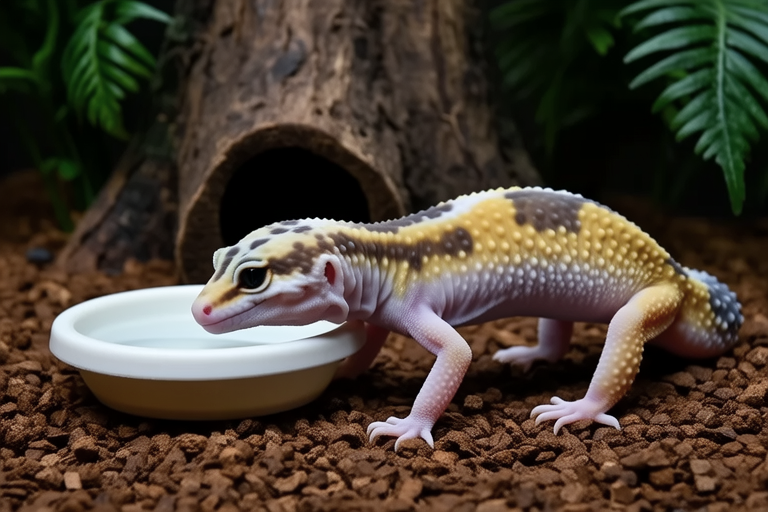
The first secret to keeping your leopard gecko happy and healthy is creating the perfect habitat. Leopard geckos are nocturnal creatures, meaning they are most active at night. They require a warm and secure environment that mimics their natural habitat.
Start by choosing an appropriately sized tank. A 10-gallon aquarium is suitable for one adult leopard gecko, but if you plan to house multiple geckos or provide more space for enrichment, consider a larger enclosure. Ensure the tank has a secure lid to prevent escapes and keep out predators.
Provide hiding spots within the tank. Leopard geckos feel safest when they can hide from view. Use commercially available caves or create your own using rocks or cork bark. Position these hides in different areas of the tank to give your gecko options.
Substrate is another important consideration. While some owners prefer loose substrates like sand or coconut fiber, these can pose risks of impaction if ingested. Instead, opt for a safer alternative such as paper towels, reptile carpet, or tile. These materials are easy to clean and reduce the risk of injury.
Lastly, include climbing structures such as branches or rocks. Leopard geckos enjoy climbing, so providing safe structures will help stimulate their natural behaviors.
Secret 2: Feeding Your Leopard Gecko the Right Diet
The second secret to keeping your leopard gecko happy and healthy is feeding them the right diet. Leopard geckos are insectivores, meaning their diet consists primarily of insects. However, it’s essential to offer a variety of prey items to ensure a balanced diet.
Insects should be gut-loaded before feeding. Gut-loading involves feeding the insects a nutritious diet for 24 hours prior to feeding them to your gecko. This process enhances the nutritional value of the insects, ensuring your gecko receives optimal nutrients.
Vary the types of insects you offer. Crickets, mealworms, and dubia roaches are common choices. Each type of insect provides different nutrients, so rotating them ensures a well-rounded diet. Additionally, dust the insects with a calcium supplement once or twice a week to support bone health. Vitamin D3 supplements can also be beneficial, especially if your gecko does not receive adequate UVB lighting.
Avoid overfeeding. Leopard geckos can become overweight if fed too frequently. Offer insects every other day, ensuring your gecko eats all the offered prey within 15 minutes. Remove any uneaten insects to prevent them from biting or stressing your gecko.
Secret 3: Maintaining Appropriate Lighting and Temperature
The third secret to keeping your leopard gecko happy and healthy is maintaining appropriate lighting and temperature. Leopard geckos are ectothermic, meaning they rely on external heat sources to regulate their body temperature.
Install a heat mat on one side of the tank to create a temperature gradient. The cool end should be around 78°F (26°C), while the warm end should reach 88-90°F (31-32°C). This gradient allows your gecko to thermoregulate by moving between warmer and cooler areas.
Use a thermometer to monitor the temperature accurately. Place one sensor near the warm end and another near the cool end to ensure consistent temperatures.
UVB lighting is not necessary for leopard geckos, as they are nocturnal and do not require direct sunlight for vitamin D synthesis. However, some owners choose to provide low-level UVB lighting to simulate natural conditions. If you decide to use UVB lighting, ensure it is appropriate for nocturnal species and replace the bulbs according to the manufacturer’s recommendations.
Ensure proper humidity levels. Leopard geckos naturally live in arid environments, so high humidity is not required. However, maintaining a humidity level of 30-40% is ideal. You can achieve this by misting the tank occasionally or using a humid hide filled with moist substrate.
Secret 4: Handling Techniques for a Stress-Free Experience
The fourth secret to keeping your leopard gecko happy and healthy is employing proper handling techniques. Handling can be stressful for your gecko, so it’s crucial to handle them gently and infrequently.
Before handling, wash your hands thoroughly to remove any oils or residues that could harm your gecko. Sit on the floor or a low surface to minimize falls. Gently scoop your gecko up from underneath, supporting their entire body. Avoid grabbing them by the tail, as leopard geckos can drop their tails as a defense mechanism.
Handle your gecko for short periods, no longer than 15-20 minutes at a time. Frequent handling can cause stress and disrupt their natural behaviors. Allow your gecko time to acclimate to its environment and establish a routine before handling regularly.
If your gecko shows signs of distress during handling, such as thrashing or attempting to bite, gently place it back in its enclosure. Give it time to calm down before trying again.
Secret 5: Monitoring Signs of Health
The fifth secret to keeping your leopard gecko happy and healthy is monitoring signs of health. Regularly observing your gecko can help you identify potential issues early and seek veterinary care if needed.
Healthy leopard geckos are active, alert, and responsive. Their eyes should be clear, and their skin should be smooth without any lesions or discoloration. Their stools should be firm and brown, indicating a balanced diet. Any changes in behavior, appetite, or physical appearance may indicate an underlying issue.
Watch for signs of dehydration, such as wrinkled skin or sunken eyes. Provide fresh water daily in a shallow dish, ensuring it remains clean and accessible. Leopard geckos often drink water droplets, so misting the tank can also help maintain hydration.
Monitor for signs of respiratory infections, which may include labored breathing, discharge from the nose, or lethargy. Respiratory infections can be serious and require prompt veterinary attention.
Parasites can also affect your gecko’s health. Look for signs such as weight loss, diarrhea, or excessive scratching. If you suspect parasites, consult a veterinarian who specializes in reptiles for diagnosis and treatment.
Regular veterinary check-ups are essential for maintaining your gecko’s health. Schedule annual visits, or more frequently if your gecko exhibits any concerning symptoms. A veterinarian familiar with reptiles can provide valuable insights and address any health concerns.
Conclusion
By following these five secrets, you can ensure your leopard gecko leads a happy and healthy life. Remember to create the perfect habitat, feed them the right diet, maintain appropriate lighting and temperature, handle them gently, and monitor their health closely. With proper care, your leopard gecko will thrive and bring joy to your home for many years to come.
