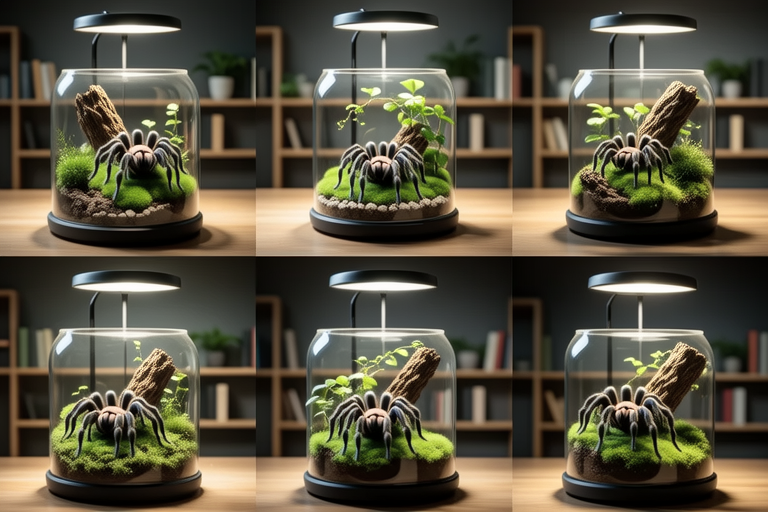
8 Ingenious Ways to Decorate Your Home for Your New Tarantula Friend
Welcome to the world of tarantula ownership! These fascinating creatures are becoming increasingly popular as pets due to their low maintenance requirements and intriguing behaviors. However, while tarantulas are relatively easy to care for, they have specific needs regarding their environment. Proper decoration is essential for creating a comfortable and stimulating habitat that meets their unique requirements. In this article, we will explore eight ingenious ways to decorate your home for your new tarantula friend, ensuring both safety and comfort.
Tarantula Habitat Preferences
Tarantulas are native to various regions around the world, from deserts to rainforests. Their natural habitats influence their preferences in captivity. Security is paramount; tarantulas need a sense of protection to thrive. They prefer environments with ample hiding spots and a secure enclosure to prevent escape. Temperature and humidity are crucial factors, as tarantulas are ectothermic, meaning they rely on external sources to regulate their body temperature. A typical temperature range of 75-85°F (24-29°C) is ideal, with humidity levels varying depending on the species. Additionally, providing sufficient space is important for these arachnids to move freely and maintain their health.
Creative DIY Decor Ideas Using Natural Materials
One of the best ways to decorate your tarantula’s home is by using natural materials that mimic its natural habitat. Cork bark and driftwood are excellent choices. Cork bark provides a textured surface for climbing and offers multiple layers for hiding. Driftwood can be arranged to create tunnels and caves, offering additional security and enrichment. To add a touch of nature, consider adding small rocks and pebbles. These elements can help stabilize the substrate and create interesting visual features. Remember to sterilize all materials before placing them in the enclosure to ensure they are free from harmful bacteria or parasites.
Integration of Plants Suitable for Both Aesthetics and Humidity Control
Incorporating live plants into your tarantula’s enclosure can enhance both the aesthetic appeal and the functionality of the habitat. Some plants, such as bromeliads and orchids, are particularly well-suited for terrariums. These plants not only provide visual interest but also contribute to maintaining the correct humidity levels. When selecting plants, choose those that are safe for tarantulas and compatible with the enclosure’s lighting conditions. Ensure that the plants do not release toxins or irritants that could harm your pet. Additionally, position the plants strategically to create microclimates within the enclosure, promoting optimal environmental conditions.
Tips on Choosing Appropriate Lighting
Lighting plays a vital role in simulating natural cycles within the enclosure. Tarantulas require periods of light and darkness to maintain their circadian rhythms. Full-spectrum LED lights are a popular choice for replicating daylight. These lights emit a spectrum similar to sunlight, providing the necessary UVB radiation for calcium metabolism. However, it’s essential to avoid excessive heat generated by traditional bulbs. Instead, opt for energy-efficient alternatives that provide the right amount of light without overheating the enclosure. Always ensure that the lighting system is positioned outside the enclosure to prevent direct contact with the tarantula.
Ideas for Adding Personal Touches
Adding personal touches to your tarantula’s home can make it feel more like a part of your family. Handmade decorations, such as small sculptures or painted rocks, can add a unique flair to the enclosure. Educational displays about tarantulas are also a great way to engage visitors and promote awareness about these incredible creatures. You can create informational plaques or posters detailing the species’ origin, behavior, and care requirements. These additions not only enhance the enclosure’s appearance but also serve as a learning tool for others interested in tarantulas.
Safety Considerations
When decorating your tarantula’s home, safety must always come first. Ensure that all items are tarantula-safe and non-toxic. Avoid using any materials that may cause harm, such as sharp objects or chemicals. Regularly inspect the enclosure for potential hazards, such as loose pieces or gaps that could lead to escapes. Additionally, monitor the temperature and humidity levels closely to prevent stress or illness in your pet. By taking these precautions, you can create a safe and enjoyable environment for your tarantula friend.
Conclusion
Creating a comfortable and enriching habitat for your tarantula is essential for its well-being. By understanding their habitat preferences and incorporating creative decorations, you can ensure that your pet thrives in its new home. Remember to focus on security, temperature, humidity, and space when designing the enclosure. Use natural materials, integrate suitable plants, choose appropriate lighting, and add personal touches to make the habitat uniquely yours. Lastly, always prioritize safety and responsible pet ownership. With these tips in mind, you can create an ideal living space for your new tarantula friend.
