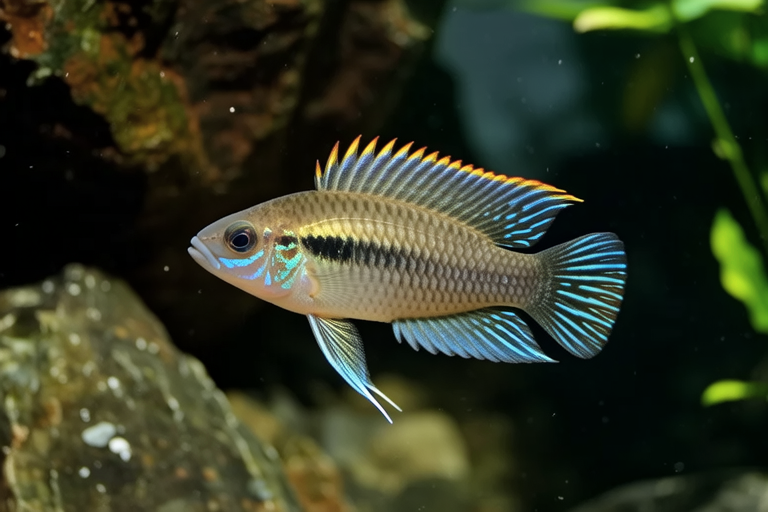
Aquarium Enthusiasts Rejoice: Discovering the Charms of Rajah Cichlids
Welcome to the vibrant world of aquarium keeping! For those looking to add a touch of exotic beauty and dynamic behavior to their aquatic ecosystems, Rajah cichlids are a fantastic choice. These captivating fish are not only visually stunning but also offer a fascinating glimpse into the rich biodiversity of their native habitats. In this article, we will explore the unique characteristics of Rajah cichlids, their care requirements, and the joys of keeping them in your home aquarium.
Introduction to Rajah Cichlids
Rajah cichlids, scientifically known as Aequidens rivulatus, are native to the rivers and streams of Guyana, South America. They are named after the Rajah loach, another popular aquarium fish, due to their similar body shape and vibrant coloration. Rajah cichlids are medium-sized fish, typically reaching lengths of around 4 inches (10 cm). Their most striking feature is their iridescent blue-green scales, which shimmer under the right lighting conditions, giving them a regal appearance that justifies their name. The males often have more pronounced colors and elongated fins compared to the females, adding to their allure.
Native to fast-flowing waters, Rajah cichlids are adapted to life in environments with strong currents and rocky substrates. This natural habitat has shaped their robust bodies and powerful swimming abilities, making them a joy to watch as they navigate through their aquatic homes. Their adaptability to various conditions makes them a versatile choice for many aquarists.
Care Requirements
Ideal Tank Setup
Creating the perfect environment for Rajah cichlids involves replicating their natural habitat as closely as possible. A minimum tank size of 55 gallons (208 liters) is recommended for a single pair or small group. The tank should be well-decorated with plenty of hiding spots and open swimming areas. Driftwood, rocks, and caves are excellent choices for creating a naturalistic setting that encourages territorial behavior while providing shelter for the fish.
Strong water circulation is essential to mimic the swift currents of their native streams. An efficient filtration system is necessary to maintain water quality, especially considering the bioload from these active swimmers. Additionally, a powerful external filter can help manage ammonia and nitrite levels, ensuring a healthy living space.
Water Parameters
Rajah cichlids thrive in slightly acidic to neutral water conditions. The pH level should ideally range between 6.0 and 7.5, with a temperature of 75°F to 82°F (24°C to 28°C). Maintaining stable water parameters is crucial for the health and longevity of these fish. Regular water changes, typically 10-20% weekly, help keep the water clean and free from harmful toxins. Test kits for pH, ammonia, nitrite, and nitrate are invaluable tools for monitoring water quality.
Diet
Feeding Rajah cichlids a balanced diet is key to their overall health. They are omnivorous, meaning they eat both plant and animal matter. High-quality flake food, pellets, and freeze-dried or frozen foods like bloodworms, brine shrimp, and daphnia are suitable options. Vegetables such as blanched spinach, peas, and zucchini can also be offered to ensure they receive essential nutrients. It’s important to provide variety to meet their dietary needs and prevent nutritional deficiencies.
Maintaining a Healthy Environment
Keeping Rajah cichlids healthy requires attention to detail in terms of water quality, tank maintenance, and stress reduction. Regular cleaning of the tank, including vacuuming the substrate and removing uneaten food, helps prevent the buildup of harmful substances. Additionally, reducing stress by minimizing sudden changes in water chemistry and avoiding overcrowding the tank can significantly enhance the fish’s well-being.
Introducing new fish to the tank should be done cautiously to avoid aggression. Rajah cichlids can be territorial, so it’s advisable to introduce them gradually and monitor their interactions closely. Providing ample hiding spots and territories within the tank can help mitigate conflicts and promote peaceful coexistence.
Behavioral Aspects
Temperament
Rajah cichlids are known for their active and curious nature. They are generally peaceful towards other fish but can become territorial during breeding periods. Males may display aggressive behavior towards each other, particularly if there is competition for mates or territory. It’s essential to provide ample space and hiding spots to minimize stress and potential conflicts.
Compatibility with Other Species
When selecting tankmates for Rajah cichlids, it’s crucial to consider their active and sometimes territorial nature. Compatible species include robust, similarly sized fish that can hold their own in the tank. Good choices include other cichlids like the Bolivian rams, kribensis, and angelfish. Avoid overly delicate or slow-moving fish that might struggle to compete for resources or evade aggression.
Breeding Rajah Cichlids
Breeding Rajah cichlids can be a rewarding experience for dedicated aquarists. Establishing a breeding pair requires careful selection of healthy, mature individuals. Once paired, the male and female will establish a territory and prepare a spawning site, usually on a flat rock or slate. The female will lay several hundred eggs, which the male then fertilizes. Both parents take turns guarding the eggs until they hatch, typically after three to four days.
The fry, once hatched, are initially cared for by the parents, who will protect them from potential threats. After a few weeks, the fry become more independent and can be fed infusoria, baby brine shrimp, and finely crushed flakes. As they grow, their diet can be gradually transitioned to larger, more substantial foods.
Successful breeding not only adds to the genetic diversity of your aquarium but also provides the opportunity to observe the intricate behaviors involved in reproduction and parental care. Witnessing the dedication of Rajah cichlid parents to their offspring is truly inspiring and underscores the depth of their complex social structures.
Conclusion
Rajah cichlids are a captivating addition to any aquarium, offering a blend of vibrant coloration, interesting behavior, and rewarding challenges for aquarists. From their shimmering scales to their dynamic interactions, these fish bring life and excitement to any aquatic ecosystem. Whether you’re a novice or an experienced aquarist, the charm of Rajah cichlids lies in their ability to captivate and inspire. By understanding their unique needs and providing a nurturing environment, you can enjoy the company of these remarkable fish for years to come. So, dive into the world of Rajah cichlids and experience the joy of aquarium keeping like never before!
