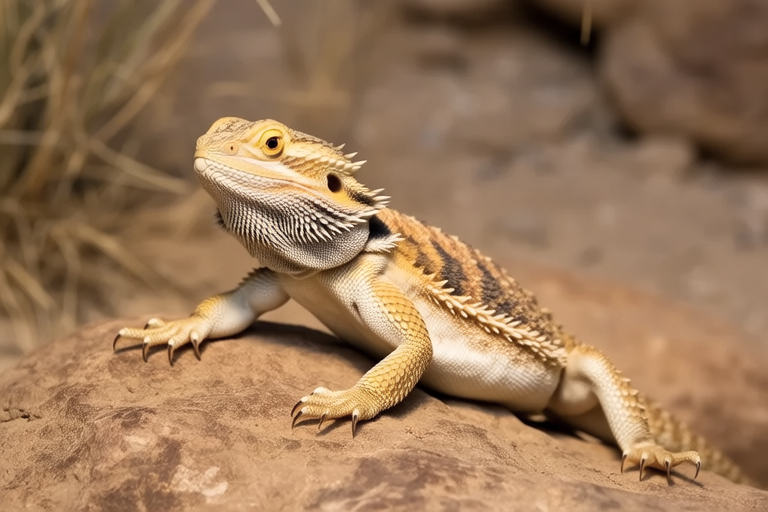
Bearded Dragon Body Language: Decode Their Secret Signals
Welcome to the fascinating world of bearded dragons! These charismatic lizards are popular pets known for their unique appearance and docile nature. Originating from the arid regions of Australia, bearded dragons have adapted to communicate through a variety of visual and behavioral cues. Understanding your bearded dragon’s body language is crucial for providing optimal care and building a strong bond. This article will guide you through the intricacies of their communication methods, helping you decode their secret signals.
The Importance of Understanding Bearded Dragon Body Language
Bearded dragons are expressive creatures that rely heavily on non-verbal communication. By observing and interpreting their body language, you can gauge their mood, health, and needs more accurately. This knowledge allows you to create a nurturing environment and address any potential issues promptly. For instance, recognizing signs of stress or discomfort can prevent illnesses and ensure your pet thrives in its habitat.
Posture: The Foundation of Communication
Posture is one of the most fundamental aspects of bearded dragon communication. Their stance provides valuable insights into their current state of mind and physical well-being.
- Relaxed Posture: When your bearded dragon is calm and content, it will typically sit upright with its limbs extended. This position indicates relaxation and confidence. It may also bask under a heat lamp, enjoying the warmth.
- Alert Posture: An alert bearded dragon will stand tall with its head raised high. This posture suggests curiosity or awareness of its surroundings. If there’s a sudden noise or movement, your dragon might assume this pose as a reaction.
- Defensive Posture: In a defensive stance, your bearded dragon may flatten its body against the ground, tuck its legs close to its body, and lower its head. This posture is often accompanied by beard expansion and color changes, signaling aggression or fear.
Beard Expansion: A Bold Statement
The most striking feature of a bearded dragon is its expandable throat pouch, which plays a significant role in communication. When expanded, it serves as a visual deterrent to predators or rivals.
- Normal Expansion: A moderate expansion usually indicates mild agitation or arousal. Your dragon might puff out its beard when another animal approaches or during courtship displays.
- Severe Expansion: Severe beard expansion, combined with darkening colors, is a clear sign of aggression. Your dragon may hiss or open its mouth in addition to expanding its beard to ward off threats.
Color Changes: Nature’s Palette
Bearded dragons have the remarkable ability to change their skin color, adapting to their environment or expressing their emotions. While color changes are most noticeable in juveniles, adults can also exhibit these shifts.
- Darkening: Darker shades, particularly around the beard and body, often indicate stress, anger, or illness. Pay attention if your dragon’s color becomes unusually dark, especially if accompanied by other concerning signs like lethargy or loss of appetite.
- Brightening: Brighter colors, such as vibrant oranges and yellows, signify health and happiness. During basking, your dragon may display brighter hues as it absorbs sunlight.
Tail Movements: Subtle but Significant
Tail movements are often subtle but hold important messages. These actions can vary widely depending on the context and the dragon’s emotional state.
- Waving: One of the most endearing behaviors, waving involves the dragon lifting and lowering its front leg repeatedly. This action is commonly observed during social interactions, especially between dragons. Waving is believed to signal submission or friendliness.
- Vibrating: Rapid tail vibrations are a clear sign of distress or agitation. Your dragon might vibrate its tail when feeling threatened or uncomfortable in its environment. Addressing the source of stress promptly can help alleviate this behavior.
Common Behaviors and Their Meanings
Understanding specific behaviors can provide deeper insight into your bearded dragon’s thoughts and feelings. Here are some common scenarios and their interpretations:
- Basking: Bearded dragons spend a significant amount of time basking under UVB lights or natural sunlight. This behavior helps them regulate their body temperature and absorb essential vitamins. If your dragon is spending excessive time basking, it might be seeking warmth due to a cooler environment or health issues.
- Hiding: Hiding occasionally is normal, but prolonged periods of hiding could indicate stress, illness, or dissatisfaction with its living conditions. Ensure your dragon has adequate hiding spots and check for any signs of discomfort.
- Staring: Staring directly at you can mean several things. It might be curious about you, hungry, or simply waiting for food. Pay attention to the context and accompanying body language to determine the exact meaning.
Tips for Observing and Responding to Bearded Dragon Signals
Observing and responding to your bearded dragon’s body language requires patience, attentiveness, and a willingness to learn. Here are some tips to help you become more attuned to your pet’s signals:
- Consistent Observation: Spend time with your bearded dragon every day to familiarize yourself with its usual behaviors. This will make it easier to notice any deviations that could signal problems.
- Pay Attention to Context: Consider the circumstances surrounding each behavior. Is your dragon stressed because of a recent change in its environment? Is it excited about mealtime? Understanding the context can help you interpret behaviors more accurately.
- Respond Appropriately: Once you’ve identified a behavior and its meaning, respond accordingly. If your dragon is stressed, create a more comfortable environment. If it’s hungry, prepare its favorite food. Positive reinforcement can strengthen your bond and encourage desirable behaviors.
- Consult Professionals: If you’re unsure about certain behaviors or suspect health issues, don’t hesitate to consult a veterinarian or experienced reptile keeper. They can provide expert advice tailored to your dragon’s specific needs.
In conclusion, decoding your bearded dragon’s body language is a rewarding endeavor that enhances your understanding and care of these remarkable creatures. By paying attention to posture, beard expansion, color changes, and tail movements, you can better anticipate your dragon’s needs and provide a nurturing environment. With consistent observation and thoughtful responses, you’ll foster a stronger bond and ensure your pet leads a happy, healthy life. Happy herping!
