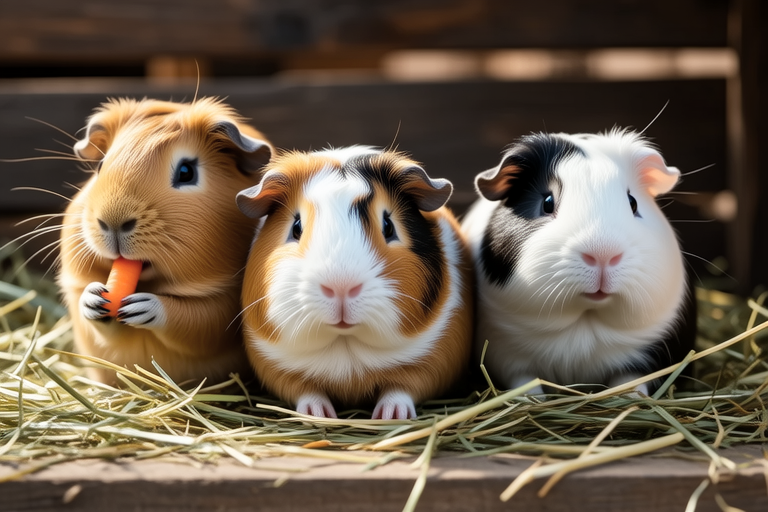
5 Surprising Facts About Guinea Pigs That Will Make You Adore Them Even More
Welcome, fellow guinea pig enthusiasts! Are you ready to dive into the wonderful world of these adorable rodents? If you’re a seasoned guinea pig owner or just starting your journey with these delightful creatures, there’s always something new and fascinating to learn about them. In this article, we’ll uncover five surprising facts about guinea pigs that will deepen your appreciation for these charming little companions. Get ready to be amazed by their quirky behaviors, unique care requirements, and rich history!
Fact 1: Guinea Pigs Have a Complex Communication System
Did you know that guinea pigs have an intricate system of communication? These social animals use a variety of vocalizations, body language, and even scent marking to express themselves. From purring like a cat to making high-pitched squeaks, each sound has a distinct meaning. For instance, a rapid series of short chirps might indicate excitement, while a low, drawn-out whistle could signal fear or distress.
This complex communication system is particularly important for guinea pig owners. Understanding these sounds can help you better interpret your pet’s needs and emotions. By paying close attention to their vocalizations, you can ensure they are happy, healthy, and comfortable in their environment. Additionally, observing their body language can provide valuable insights into their overall well-being. For example, if your guinea pig is constantly hunched over or hiding, it might be feeling stressed or unwell.
Fact 2: Guinea Pigs Require Vitamin C Daily
One of the most surprising aspects of guinea pig care is their need for daily vitamin C supplementation. Unlike many other mammals, guinea pigs cannot produce their own vitamin C, making it essential for their diet. This nutrient is crucial for maintaining healthy skin, teeth, and bones, as well as supporting their immune system.
The importance of vitamin C in a guinea pig’s diet cannot be overstated. Without sufficient amounts, they are at risk of developing scurvy, a condition characterized by weakness, swollen joints, and bleeding gums. To keep your guinea pig healthy, provide them with fresh fruits and vegetables rich in vitamin C, such as bell peppers, oranges, and strawberries. It’s also advisable to offer a vitamin C supplement specifically formulated for guinea pigs to ensure they get enough of this vital nutrient.
Fact 3: Guinea Pigs Were Once Used in Medical Research
Believe it or not, guinea pigs played a significant role in medical research throughout history. Their size, docile nature, and relatively short lifespan made them ideal candidates for experiments. In fact, the first successful organ transplant was performed on a guinea pig in 1905. Since then, they have been used in various studies, including those related to vaccines, antibiotics, and genetic research.
While the ethical considerations surrounding animal testing have evolved significantly, the contributions of guinea pigs to modern medicine are undeniable. Today, guinea pigs are primarily kept as beloved pets, but their historical significance in scientific advancements adds an interesting dimension to their story. Learning about their role in medical research can foster a greater appreciation for these animals and their place in history.
Fact 4: Guinea Pigs Love to Play and Explore
Guinea pigs are far from being passive pets. In fact, they are quite playful and curious, enjoying opportunities to explore and interact with their surroundings. Providing your guinea pig with toys, tunnels, and other enrichment items can help stimulate their natural instincts and keep them entertained. Some popular choices include chew toys, hay balls, and cardboard boxes.
Encouraging playtime is not only fun for your guinea pig but also beneficial for their mental and physical health. Engaging in activities helps prevent boredom and stress, which can lead to behavioral issues or health problems. Plus, spending quality time with your guinea pig strengthens your bond and makes for a more rewarding pet ownership experience. So, next time you’re thinking about setting up some playtime, remember that you’re doing more than just entertaining your furry friend—you’re promoting their overall well-being.
Fact 5: Guinea Pigs Have Been Domesticated for Centuries
Guinea pigs have a long and storied history of domestication, dating back thousands of years. Originating from the Andean region of South America, these animals were first domesticated by indigenous peoples for both food and companionship. Over time, they spread across the globe, becoming popular pets in Europe during the 16th century.
Today, guinea pigs continue to captivate hearts around the world. Their long history of domestication has resulted in a wide variety of breeds, each with its own unique characteristics. From the smooth-haired Peruvian guinea pig to the curly-coated Abyssinian, there’s a breed to suit every preference. Whether you’re interested in their fascinating past or simply enjoy their company, there’s no denying that guinea pigs have earned their place as cherished pets.
Conclusion
In conclusion, guinea pigs are truly remarkable creatures with much more to offer than meets the eye. From their complex communication systems to their daily need for vitamin C, each fact we’ve explored highlights the unique qualities that make guinea pigs such special pets. By understanding these lesser-known aspects of guinea pig behavior, care, and history, we can deepen our appreciation for these delightful animals and provide them with the best possible care.
So, whether you’re a seasoned guinea pig owner or just beginning your journey with these charming companions, take a moment to marvel at the fascinating world of guinea pigs. With each new discovery, you’ll find yourself falling even more in love with these lovable little creatures. Happy guinea pig parenting!
