Tarantula Care: Everything You Need to Know Before Getting One
Welcome to the fascinating world of tarantulas! These large, hairy spiders have long intrigued arachnophiles and curious pet owners alike. Tarantulas make unique pets due to their docile nature and intriguing behaviors. This guide will walk you through everything you need to know about tarantula care, from setting up the perfect habitat to understanding their dietary needs and health concerns.
Introduction to Tarantulas
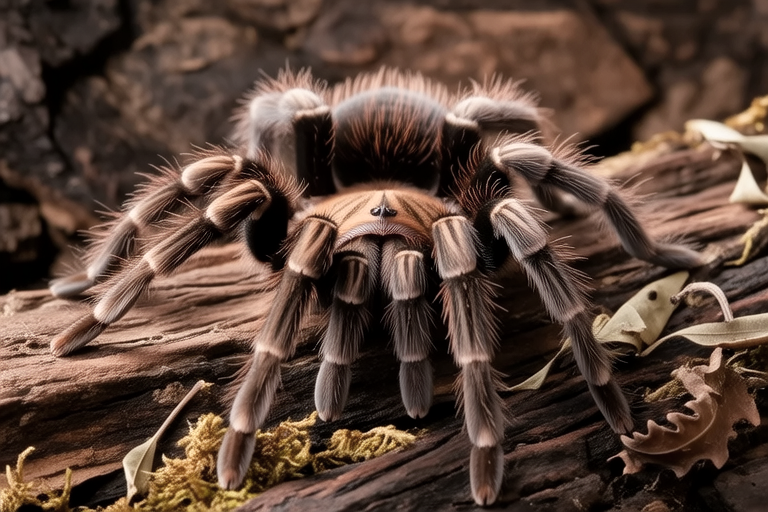
Tarantulas belong to the family Theraphosidae and are found worldwide, primarily in tropical and subtropical regions. They come in various sizes, colors, and temperaments. Their most distinctive feature is their dense coat of hair, which can range from short and fine to long and bristly. Some species even possess urticating hairs that they can flick at predators or threats. Despite their intimidating appearance, most tarantulas are quite docile and rarely aggressive towards humans.
Choosing a tarantula as a pet offers several advantages. They require minimal interaction, making them ideal for busy individuals or those who prefer low-maintenance pets. Additionally, observing their behavior can be both entertaining and educational. However, it’s important to research thoroughly before committing to tarantula ownership, as these creatures have specific care requirements.
Habitat Setup
Enclosure Size
The size of the enclosure depends on the tarantula’s size and species. As a general rule, provide at least three times the leg span of the tarantula in floor space. For example, if your tarantula has a leg span of 6 inches, its enclosure should be at least 18 inches in diameter. Larger enclosures allow for more natural behaviors, such as burrowing or climbing.
Substrate
Adequate substrate is crucial for maintaining proper humidity levels and providing a comfortable environment for your tarantula. Coconut fiber, peat moss, and vermiculite are popular choices. A depth of 3 to 4 inches ensures that your tarantula can dig comfortably if desired. Avoid using cedar or pine shavings, as they can irritate your pet’s respiratory system.
Temperature and Humidity
Most tarantulas thrive in temperatures between 75°F and 85°F (24°C to 29°C). Use a thermometer and hygrometer to monitor these conditions. Humidity levels should be maintained between 60% and 80%, depending on the species. Proper humidity helps prevent dehydration and molting issues. Mist the enclosure lightly to increase humidity when necessary.
Lighting Requirements
Tarantulas are nocturnal creatures and do not require UV lighting. However, a gentle heat source like a ceramic heater or under-tank heating pad can help maintain the correct temperature. Position the heat source so that it heats one side of the enclosure, creating a gradient, allowing your tarantula to regulate its body temperature.
Feeding Habits
Tarantulas are carnivorous and feed on insects, small vertebrates, and other invertebrates. In captivity, crickets, mealworms, and dubia roaches are commonly used. Feed juveniles once every few days, while adults can be fed less frequently, typically once per week. Remove uneaten prey after 24 hours to prevent stress or injury to your tarantula.
Handling Tips
While tarantulas are generally docile, they should only be handled by experienced keepers. Start by gently placing your hand into the enclosure, allowing the tarantula to climb onto it. Avoid grabbing or pinching the tarantula, as this can cause stress or injury. Always handle your tarantula over a soft surface, such as a towel, to minimize the risk of falling.
Common Health Issues
Like all animals, tarantulas can experience health problems. Common issues include dehydration, improper shedding, and mites. Regular observation can help catch these issues early. If you notice any unusual behavior or physical signs, consult a veterinarian specializing in exotic animals.
Selecting the Right Species
For beginners, consider species known for their calm demeanor and ease of care. Examples include the Chilean rose tarantula (Grammostola rosea) and the Mexican red knee tarantula (Brachypelma smithi). Experienced keepers may enjoy the challenge of caring for more specialized species, such as the Goliath birdeater (Theraphosa blondi).
Safety Precautions
Always wash your hands before and after handling your tarantula. Keep enclosures secure to prevent escapes and ensure the safety of both you and your pet. Be aware of local laws regarding exotic pet ownership and always purchase tarantulas from reputable breeders.
Ethical Considerations
Responsible tarantula ownership involves considering the ethical implications of keeping these creatures as pets. Support conservation efforts and avoid purchasing wild-caught tarantulas. By choosing captive-bred specimens, you contribute to sustainable practices and reduce the impact on wild populations.
Conclusion
Owning a tarantula can be a rewarding and educational experience. With the right knowledge and care, you can provide a healthy, happy home for your new pet. Remember to research thoroughly, set up an appropriate habitat, and handle your tarantula with care. By following these guidelines, you’ll be well on your way to becoming a responsible tarantula owner.
