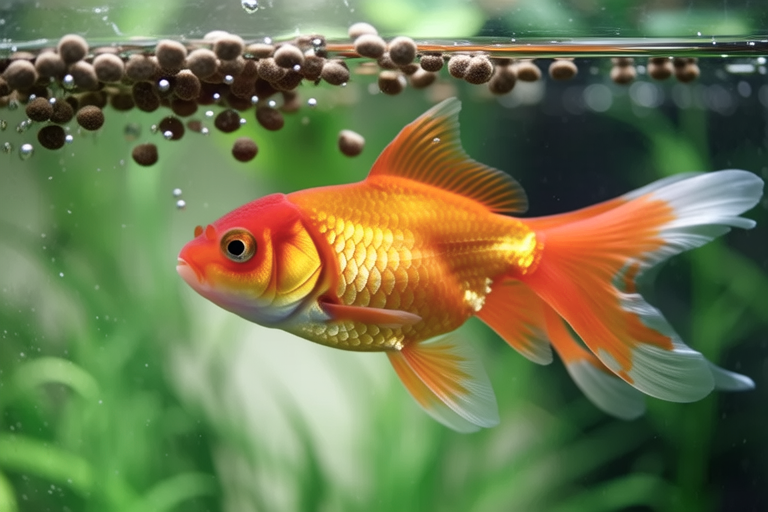
How to Ensure Longevity: The Best Diet Tips for Your Goldfish
Welcome to the world of goldfish care! These vibrant and delightful creatures can bring joy and companionship into your home. However, ensuring their longevity requires more than just providing them with a tank and some water. Proper nutrition is crucial for keeping your goldfish healthy and thriving. This article will guide you through the best diet practices, helping you extend the lifespan of your beloved pets.
The Importance of Diet for Goldfish Longevity
A goldfish’s diet plays a pivotal role in its overall health and longevity. Just like humans, goldfish require a balanced diet to maintain optimal body functions. A well-fed goldfish is more likely to have a robust immune system, better resistance to diseases, and improved swimming capabilities. Moreover, a proper diet can prevent common health issues such as obesity, swim bladder disorders, and digestive problems.
Nutritional Needs of Goldfish
To understand what constitutes a good diet for your goldfish, it’s essential to know their nutritional requirements. Goldfish need a balanced intake of proteins, fats, carbohydrates, vitamins, and minerals.
- Proteins: Proteins are vital for muscle development and repair. They also play a key role in the growth of fins, scales, and other bodily structures.
- Fats: While often misunderstood, fats are necessary for energy storage and the absorption of fat-soluble vitamins.
- Carbohydrates: Carbs provide a quick source of energy and are essential for the goldfish’s metabolism.
- Vitamins: Vitamins, particularly vitamin C, are crucial for the immune system and overall health.
- Minerals: Minerals such as calcium and phosphorus are important for bone and scale formation.
Suitable Types of Food
Goldfish can be fed a variety of foods, each offering different benefits. The most common types include flakes, pellets, and live or frozen foods.
Flakes
Flakes are convenient and widely available. They are designed to float on the water surface, making them easy to feed. However, they may not provide all the nutrients your goldfish needs, especially if used as the sole food source. It’s advisable to use flakes as part of a varied diet.
Pellets
Pellets are another popular choice. They sink to the bottom of the tank, encouraging your goldfish to swim down and eat, which promotes activity and helps maintain a healthy weight. Pellets come in various sizes and formulas, catering to different life stages and health needs.
Live and Frozen Foods
Introducing live or frozen foods can enhance your goldfish’s diet. Options include brine shrimp, daphnia, bloodworms, and tubifex worms. These foods are rich in nutrients and can be particularly beneficial during breeding periods or when trying to entice a finicky eater.
Feeding Frequency and Portion Sizes
Overfeeding is one of the most common mistakes made by goldfish owners. Feeding too much or too frequently can lead to water pollution and health issues. Here are some guidelines:
- Feed your goldfish 2-3 times a day, but no more than that.
- Ensure that the food is consumed within a few minutes. If there is leftover food floating or sinking at the bottom, reduce the portion size.
- Aim for small portions. A good rule of thumb is to feed an amount that your goldfish can consume in about two minutes.
Common Feeding Mistakes and Their Impacts
Misunderstandings about goldfish diets can lead to serious health problems. Some common mistakes include overfeeding, feeding inappropriate foods, and neglecting dietary variety.
- Overfeeding: Excess food can lead to obesity and swim bladder issues. Additionally, uneaten food can pollute the water, causing stress and disease.
- Inappropriate Foods: Avoid feeding your goldfish bread, crackers, or other human foods. These items lack essential nutrients and can cause digestive problems.
- Lack of Variety: Relying solely on one type of food can result in nutritional deficiencies. Incorporating a variety of foods ensures a balanced intake of essential nutrients.
Maintaining Water Quality and Its Relation to Dietary Health
Water quality is closely linked to the health of your goldfish. Poor water conditions can affect digestion and increase the risk of infections. Regular water changes and proper filtration are essential. Additionally, monitoring water parameters such as pH, ammonia, nitrite, and nitrate levels can help maintain a healthy environment.
It’s also important to note that a goldfish’s diet can influence water quality. Uneaten food can decompose and release harmful substances. Therefore, feeding the right amount of food is crucial not only for your goldfish’s health but also for maintaining clean water.
Tips for Novice and Experienced Fish Owners
Whether you’re a first-time goldfish owner or have years of experience, here are some tips to ensure your goldfish enjoys a long and healthy life:
- Regularly monitor your goldfish’s eating habits. Changes in appetite can indicate health issues.
- Rotate between different types of food to keep your goldfish interested and ensure a varied diet.
- Invest in high-quality food. While it may cost more initially, it can save money in the long run by preventing health issues.
- Keep an eye on your goldfish’s behavior and appearance. Early detection of health problems can lead to timely interventions.
By following these dietary tips and maintaining optimal water conditions, you can significantly improve the lifespan and overall well-being of your goldfish. Remember, a happy and healthy goldfish is a joy to watch and care for.
