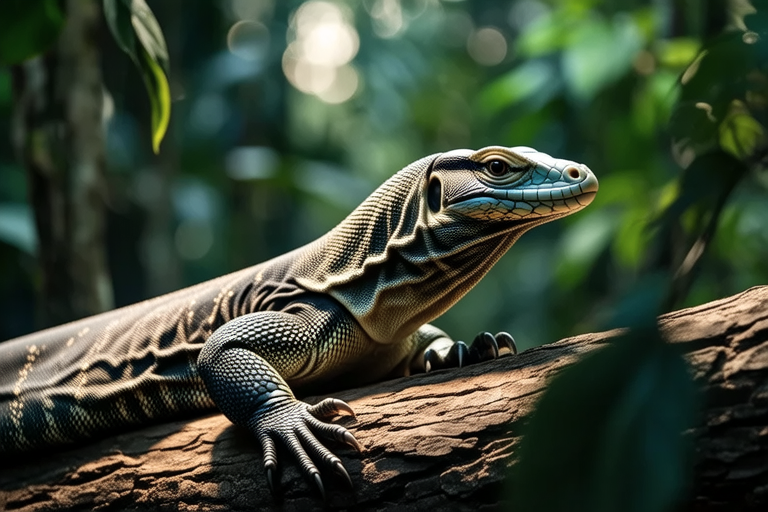
From Jungle to Home: How to Care for Your Very Own Water Monitor
The water monitor (Varanus salvator) is a large species of lizard native to parts of South and Southeast Asia. Known for its impressive size and aquatic abilities, this reptile is often sought after by reptile enthusiasts. However, before you decide to bring a water monitor into your home, it’s important to understand the responsibilities and challenges that come with owning such an exotic pet.
Native Habitats and Behaviors
In the wild, water monitors can be found in various environments, including rainforests, mangrove swamps, and freshwater wetlands. They are highly adaptable and can thrive in diverse conditions, from dense jungles to coastal areas. These lizards are excellent swimmers, spending much of their time in water searching for prey or escaping predators. They are also skilled climbers, capable of reaching heights in trees to bask or find shelter.
Water monitors are carnivorous and have a varied diet in the wild, feeding on small mammals, birds, insects, fish, and even carrion. Their sharp claws and strong jaws make them formidable hunters. In addition to their hunting prowess, they exhibit territorial behavior, marking their territory with scent glands located near their cloaca.
Responsibilities and Considerations
Owning a water monitor comes with significant responsibilities. First and foremost, it’s essential to check local laws and regulations regarding exotic pets. Some regions may prohibit or restrict ownership due to concerns about invasive species or animal welfare. Ensure you are fully aware of any permits or licenses required before proceeding.
Consider the long-term commitment. Water monitors can live up to 20 years or more, requiring consistent care and attention throughout their lives. Additionally, these lizards grow rapidly and can reach lengths of over 7 feet, so adequate space must be provided.
It’s crucial to assess whether a water monitor is suitable for your household. They require specialized enclosures and diets, which can be costly. Moreover, their powerful jaws and claws pose risks to handlers, especially children or inexperienced individuals. Proper training and supervision are necessary to ensure everyone’s safety.
Detailed Care Instructions
Housing
Adequate housing is paramount for the well-being of your water monitor. The enclosure should provide ample space for swimming, basking, and climbing. For juveniles, a 4x2x2-foot tank can suffice, but adults will need larger dimensions, ideally 8x4x4 feet or more. The tank should include a deep water area, typically 12 inches deep for young monitors and deeper for adults, along with sturdy branches and rocks for climbing.
Lighting plays a vital role in maintaining the health of your water monitor. Full-spectrum UVB lighting is necessary for vitamin D synthesis, promoting bone health. A basking spot with temperatures around 95-100°F should be provided, alongside a cooler area for thermoregulation. Nighttime heating can be achieved using ceramic heat emitters or under-tank heaters.
The substrate should be easy to clean and safe for your monitor. Options include reptile-safe sand, coconut fiber, or a combination of the two. Avoid substrates that can cause impaction if ingested, like gravel or small pebbles.
Diet
Water monitors are obligate carnivores, meaning their diet consists solely of animal matter. A balanced diet includes rodents, insects, fish, and occasional eggs or bird chicks. Variety is key to ensure all nutritional needs are met. Feed juveniles daily, reducing frequency to every other day for adults. Offer food items that are appropriate in size for the monitor to prevent choking.
Vitamins and supplements are beneficial, particularly calcium and vitamin D3, to support bone growth and overall health. Consult with a veterinarian experienced in reptile care to determine the appropriate dosages.
Hygiene and Health Checks
Maintaining cleanliness in the enclosure is essential to prevent bacterial and fungal infections. Regularly change the water, clean the substrate, and disinfect surfaces. This helps in keeping the habitat hygienic and reduces the risk of disease transmission.
Regular health checks are crucial. Look for signs of illness, such as lethargy, loss of appetite, unusual discharge, or changes in skin coloration. Any abnormalities should prompt immediate consultation with a reptile veterinarian. Annual check-ups are recommended to catch potential issues early.
Handling, Socialization, and Safety
Proper handling techniques are vital when interacting with your water monitor. Always approach calmly and gently, avoiding sudden movements that might startle the lizard. Use gloves to protect yourself from scratches and bites. Allow the monitor to become accustomed to handling gradually, starting with brief sessions and increasing duration over time.
Socializing your water monitor can help build trust and improve interaction. Engage in gentle play and positive reinforcement to encourage friendly behavior. However, always prioritize safety and respect the monitor’s boundaries.
To ensure safety for both the monitor and humans, establish clear rules and boundaries. Keep the enclosure secure to prevent escapes and injuries. Supervise interactions, especially with children, to avoid accidents. Teach children to handle the monitor respectfully and responsibly.
Enrichment and Stimulation
To keep your water monitor engaged and healthy, provide enrichment activities that stimulate their natural behaviors. Offer new objects for exploration, such as floating logs or artificial plants. Rotate toys periodically to maintain interest. Create opportunities for foraging by hiding food within the enclosure, encouraging active hunting.
Encourage exercise through swimming and climbing. Ensure the water area is deep enough for swimming and the climbing structures are stable and secure. Regular physical activity promotes good health and mental well-being.
Finally, consider environmental enrichment. Introduce natural elements like live plants or substrate to mimic their natural habitat. Adjust lighting and temperature patterns to simulate seasonal changes, promoting a more natural lifestyle.
In conclusion, caring for a water monitor requires dedication, knowledge, and resources. By understanding their native habitats and behaviors, fulfilling your responsibilities as an owner, and providing proper care, you can create a thriving environment for your water monitor. With patience and effort, you can enjoy a rewarding relationship with this fascinating reptile.
