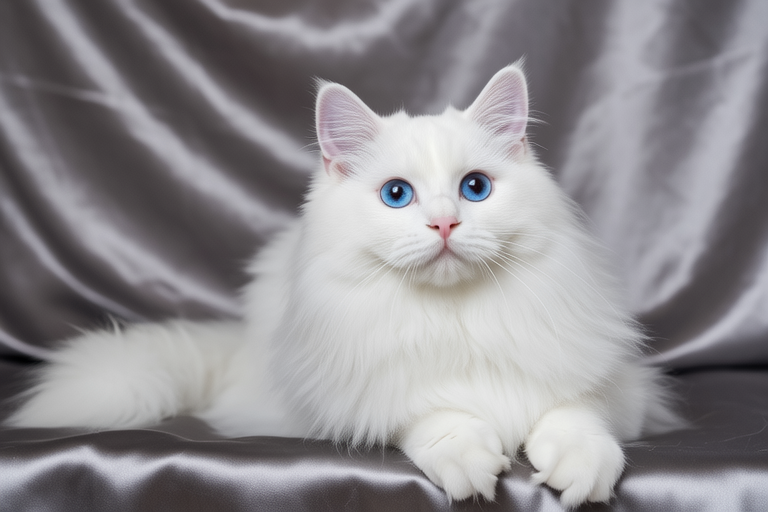
Unleashing the Mystery Behind the Majestic Turkish Angora Cat
The Turkish Angora, a breed steeped in history and myth, has captivated hearts and minds for centuries. Originating from the ancient city of Ankara, now known as Angora, these cats have been cherished not only for their striking appearance but also for their storied past. This article delves into the historical origins and mythological significance of the Turkish Angora, explores its unique physical traits, and uncovers the fascinating aspects of its behavior and care.
A Legacy Rooted in Myth and History
The Turkish Angora’s lineage stretches back to the heart of Anatolia, where it has been a symbol of elegance and grace for millennia. Legend has it that these cats were once worshipped as sacred creatures, believed to possess magical powers. They were associated with the goddess Bastet in ancient Egypt, a deity revered for her protective qualities over the home. In Turkey, they were considered guardians of the hearth and were often found in harems, temples, and palaces, ensuring the safety and prosperity of those within.
Historically, Turkish Angoras were prized possessions, often gifted to dignitaries and royalty. Their presence in the Ottoman Empire was so significant that they were sometimes given as diplomatic gifts. The breed’s name reflects its geographical origin, with “Angora” derived from the former name of the city of Ankara. Over time, these cats became symbols of Turkish culture, representing the country’s rich heritage and enduring charm.
Distinctive Physical Characteristics
The Turkish Angora is renowned for its striking appearance, which sets it apart from other breeds. These cats typically sport a semi-longhair coat that is silky and fine, flowing gracefully down their slender bodies. The coat is light and airy, making it well-suited for the hot summers of their native Turkey. Their coats come in a wide array of colors, ranging from pure white to black, tabby, red, and even bi-color patterns.
One of the most remarkable features of the Turkish Angora is its eye color. While blue eyes are the most iconic, they can also have green, gold, or a stunning combination of both, known as odd-eyed. These variations in eye color add to the breed’s mystique, creating a mesmerizing gaze that captivates observers. Their almond-shaped eyes are framed by long, delicate facial features, giving them an ethereal and almost otherworldly appearance.
Temperament, Intelligence, and Unique Behaviors
Beyond their striking looks, Turkish Angoras are known for their engaging personalities. They are highly intelligent, curious, and active, always eager to explore their surroundings. Their playful nature makes them excellent companions for families and individuals who enjoy interactive playtime. Despite their independent streak, they form strong bonds with their human companions and thrive on attention and affection.
These cats are also known for their vocal tendencies. While not as loud as some breeds, they communicate through a variety of chirps, trills, and soft meows. Their communication style is often described as melodic, adding to their appeal as conversational pets. Turkish Angoras are also highly adaptable, capable of adjusting to different living environments, whether it be a bustling household or a quieter setting.
Care and Health Considerations
Proper care is essential for maintaining the health and well-being of a Turkish Angora. Regular grooming is necessary to keep their coat healthy and free from tangles. Their semi-longhair coat requires brushing at least twice a week to prevent matting and ensure optimal skin health. Additionally, trimming their nails and cleaning their ears regularly helps maintain their overall hygiene.
Like all cats, Turkish Angoras are prone to certain health issues. One of the most common ailments is hypertrophic cardiomyopathy (HCM), a condition affecting the heart muscle. Regular veterinary check-ups, especially for older cats, can help detect and manage this condition early. Other potential health concerns include dental problems and urinary tract infections. A balanced diet and regular dental care can help mitigate these risks.
Providing a stimulating environment is crucial for their mental and physical well-being. Interactive toys, scratching posts, and climbing structures can help satisfy their natural instincts and keep them entertained. Ensuring they have access to safe outdoor spaces or providing indoor enrichment activities can also enhance their quality of life.
The Role in Feline History and Modern Appeal
The Turkish Angora has played a significant role in feline history. They have been integral to the development of several other breeds, including the Persian and the Maine Coon. Their influence can be traced through the genetic makeup of these breeds, showcasing the Turkish Angora’s importance in the broader context of cat breeding.
Today, the Turkish Angora continues to capture the hearts of cat lovers worldwide. Their unique blend of elegance, intelligence, and affection makes them a sought-after companion. Whether you’re a seasoned cat enthusiast or a newcomer to the world of felines, the Turkish Angora offers a captivating experience. Their enduring allure lies not only in their striking appearance but also in their engaging personality and the deep bond they form with their human companions.
In conclusion, the Turkish Angora is more than just a breed of cat; it is a piece of living history. From its mythological beginnings to its modern-day prominence, this breed has consistently enchanted those fortunate enough to encounter it. By understanding and appreciating the Turkish Angora’s history, physical attributes, and behavioral traits, we gain insight into the enduring magic of this majestic feline.
