Adorable Traits You Didn’t Know About Orange Cats
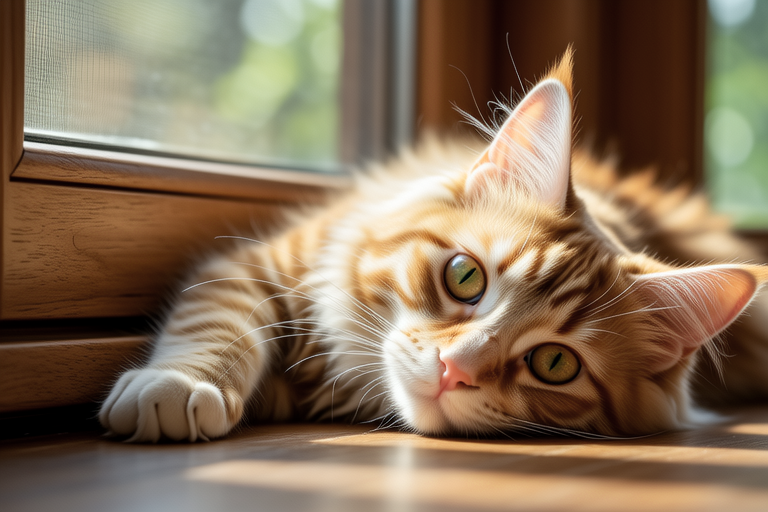
Orange cats, often affectionately called “gingers” or “marmalade cats,” have long been a favorite among cat enthusiasts. Their striking coats, which range from a soft apricot to a deep burnt orange, make them stand out in any crowd. These felines are not just admired for their appearance; they are also known for their distinctive personalities and behaviors that set them apart from other breeds.
The Popularity and Common Stereotypes of Orange Cats
Orange cats are one of the most popular cat colors, and their reputation precedes them. Many people believe that orange cats are more prone to being male, which is generally true since around four out of five orange cats are males. This misconception has led to a stereotype that all orange cats are male, but it’s important to note that females can also have this beautiful coat color.
Another common stereotype is that orange cats are more likely to be playful and adventurous. While this might be true for some, it’s not a universal trait. Each cat, regardless of color, has its own unique personality. Some may be more laid-back, while others are more active and curious. It’s crucial to remember that every cat, whether orange or not, should be treated as an individual with its own preferences and quirks.
Unique and Lesser-Known Traits of Orange Cats
Friendly and Social Nature
One of the standout traits of orange cats is their friendly and social nature. They are often described as being more outgoing and sociable compared to other cats. This makes them great companions for families or individuals looking for a pet that enjoys interaction. Orange cats tend to form strong bonds with their owners, often seeking out attention and affection. They are known to be excellent lap cats, offering warmth and comfort to those who spend time with them.
Intelligence and Problem-Solving Skills
Orange cats are not only charming but also quite intelligent. They possess impressive problem-solving skills, which can sometimes lead to them finding creative ways to open doors or cabinets. Their curiosity often drives them to explore their surroundings, making them natural explorers. Owners of orange cats frequently report that these cats are quick learners, easily adapting to new environments and routines.
Vocal Characteristics
When it comes to communication, orange cats are quite vocal. They are known for their distinctive meows, which can vary in pitch and intensity depending on their mood or what they’re trying to convey. Some owners describe their orange cats as having a “voice” that can be quite expressive, ranging from soft purrs to louder, more insistent calls. This vocal nature makes them excellent at communicating their needs, whether it’s asking for food, attention, or simply expressing their presence.
Physical Traits and Health Predispositions
Physical Characteristics
Orange cats come in various sizes and body types, but they are generally medium to large-sized cats with muscular builds. Their coats are typically short and dense, requiring minimal grooming. The coloration of their fur can vary widely, from a light, almost blonde hue to a deep, rich red. Some orange cats have white markings on their chests, paws, or bellies, adding to their unique appearance. Their eyes are usually green or gold, complementing their vibrant coats beautifully.
Health Considerations
While orange cats are generally healthy, there are a few health considerations that potential owners should be aware of. One common issue is that they are more susceptible to certain genetic conditions, particularly polycystic kidney disease (PKD), which is more prevalent in Persians and related breeds. However, this does not mean that all orange cats will develop PKD; it’s important to consult with a veterinarian about specific concerns.
Orange cats are also more prone to weight gain if they are not kept active. Regular exercise and a balanced diet are essential to maintaining their health. Obesity can lead to various health issues, including diabetes and joint problems, so ensuring your orange cat stays fit is crucial.
Interesting Behaviors and Habits
Orange cats have several interesting behaviors and habits that make them unique. For example, many orange cats are fascinated by water and may enjoy playing with dripping faucets or splashing in shallow water bowls. This behavior is often attributed to their curiosity and playful nature.
Another notable behavior is their tendency to be more vocal during certain times of the day. Many orange cats are most talkative in the early morning and late evening, which can be attributed to their natural hunting instincts. During these periods, they may meow more frequently, seeking attention or simply expressing themselves.
Tips for Potential Owners
Creating a Comfortable Environment
For potential owners, creating a comfortable and stimulating environment is key to keeping an orange cat happy and healthy. Providing plenty of toys and scratching posts will help satisfy their natural instincts and keep them mentally engaged. Orange cats thrive in environments where they can explore and play, so consider setting up climbing structures or tunnels for them to enjoy.
Dietary Needs
Ensuring a balanced diet is crucial for the health of your orange cat. High-quality cat food that meets their nutritional requirements should be the foundation of their diet. It’s important to avoid overfeeding, especially since orange cats are more prone to weight gain. Regular meals and portion control can help maintain their ideal weight and prevent obesity-related health issues.
Regular Vet Visits
Regular veterinary check-ups are essential for monitoring the health of your orange cat. Routine visits allow veterinarians to catch any potential health issues early and provide necessary vaccinations. Since orange cats are more susceptible to certain genetic conditions, regular health screenings can help manage these risks effectively.
Emotional Support
Finally, providing emotional support is vital for the well-being of your orange cat. These cats thrive on companionship and interaction, so spending quality time with them is essential. Whether it’s playing, cuddling, or simply sitting together, showing your cat love and attention will strengthen your bond and ensure they feel secure and loved.
In conclusion, orange cats are not only visually striking but also possess a unique combination of traits that make them wonderful companions. Their friendly and social nature, intelligence, and vocal characteristics contribute to their charm and appeal. By understanding their physical traits, health predispositions, and interesting behaviors, potential owners can provide the care and environment that these delightful cats need to thrive. With proper attention and care, an orange cat can become a cherished member of your family, bringing joy and companionship into your life.
