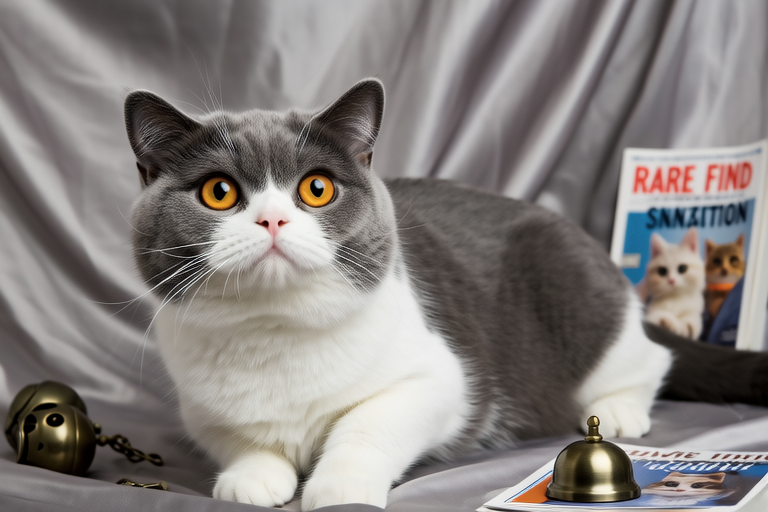
From Rare Find to Internet Sensation: The Rise of Munchkin Cats
The world of feline enthusiasts has been captivated by the emergence of a breed that stands out not just for its charm but also for its distinct physical trait: the Munchkin cat. Known for their unusually short legs, these creatures have journeyed from a rare genetic anomaly to a beloved and recognized breed. This article delves into the fascinating story of Munchkin cats, exploring their origins, the controversies they’ve faced, their rise to internet fame, and the impact they’ve had on popular culture.
The Origin of Short Legs
The hallmark of Munchkin cats is their short legs, a result of a naturally occurring genetic mutation. This mutation affects the long bones in the legs, causing them to be shorter than average. While the exact origin of this mutation remains somewhat mysterious, it was first documented in the 1980s when a Louisiana woman named Sandra Hochenedel discovered a pregnant cat under her car. One of the kittens from that litter had short legs, marking the beginning of what would become the Munchkin breed.
This genetic quirk was inherited by subsequent generations, leading to the establishment of a new breed. Despite the initial rarity of the trait, the Munchkin cat population began to grow as more breeders took interest in the unique felines.
A Journey to Recognition
The path to recognition for Munchkin cats was far from straightforward. Initially, the breed faced skepticism and criticism from various quarters of the cat fancy community. Some viewed the short-legged trait as a deformity that could lead to health issues, raising concerns about the ethical implications of breeding such cats. However, proponents argued that with careful breeding practices, the Munchkin could be developed into a healthy and robust breed.
In 2003, the International Cat Association (TICA) officially recognized the Munchkin as a registered breed, acknowledging its unique characteristics while setting standards for health and temperament. This recognition marked a significant milestone, paving the way for increased acceptance and interest in the breed.
Controversies and Ethical Concerns
The controversy surrounding Munchkin cats centers primarily on their genetic makeup and potential health issues. Critics argue that the short-legged trait can lead to mobility problems, joint issues, and spinal complications. They contend that breeding for such traits could perpetuate these problems, compromising the overall health of the cats.
Proponents, however, emphasize the importance of responsible breeding practices, ensuring that only healthy cats are used in breeding programs. They highlight the fact that many Munchkins live full and active lives, debunking some of the more extreme claims about their health risks.
The Road to Internet Fame
Munchkin cats gained significant attention through social media platforms, particularly YouTube and Instagram. Their unusual appearance and playful nature made them ideal candidates for viral videos and posts. One notable moment in their rise to fame was when a video of a Munchkin cat named Lil Bub went viral. Lil Bub’s unique appearance, including her short legs and other distinguishing features, garnered millions of views and helped solidify the breed’s place in popular culture.
These cats have also featured in various online challenges and memes, further cementing their status as internet sensations. Their quirky looks and endearing personalities have made them favorites among pet lovers worldwide.
Temperament and Care Requirements
Beyond their physical appearance, Munchkin cats are known for their friendly and adaptable temperaments. They are generally curious and sociable, enjoying interaction with their human companions. Their playful nature often leads to entertaining antics, much to the delight of observers.
Care requirements for Munchkin cats are similar to those of other domestic cats. Regular grooming, a balanced diet, and access to plenty of toys and scratching posts are essential for maintaining their health and happiness. Given their shorter legs, it’s important to provide a safe and comfortable environment that accommodates their unique mobility needs.
The Impact on Popular Culture
The influence of Munchkin cats extends beyond their role as pets. They have become symbols of genetic diversity and innovation in the world of domesticated animals. Their presence in popular culture has sparked discussions about the ethics of breeding for specific traits and the importance of balancing aesthetics with animal welfare.
Moreover, Munchkin cats have inspired admiration and curiosity among people who might not otherwise be drawn to cats. This has contributed to a broader appreciation for the diverse array of breeds and the stories behind them.
Conclusion
The journey of Munchkin cats from a rare genetic occurrence to an internet sensation is a testament to the enduring fascination with unique and charming animals. While the road to recognition was fraught with challenges, the breed has found a place in the hearts of many pet lovers and continues to capture imaginations around the world.
The legacy of Munchkin cats also serves as a reminder of the complex relationship between genetics, ethics, and aesthetics in the world of domesticated animals. As we continue to explore and appreciate the diversity within our beloved pets, it is crucial to approach each breed with sensitivity and respect for the well-being of the animals involved.
