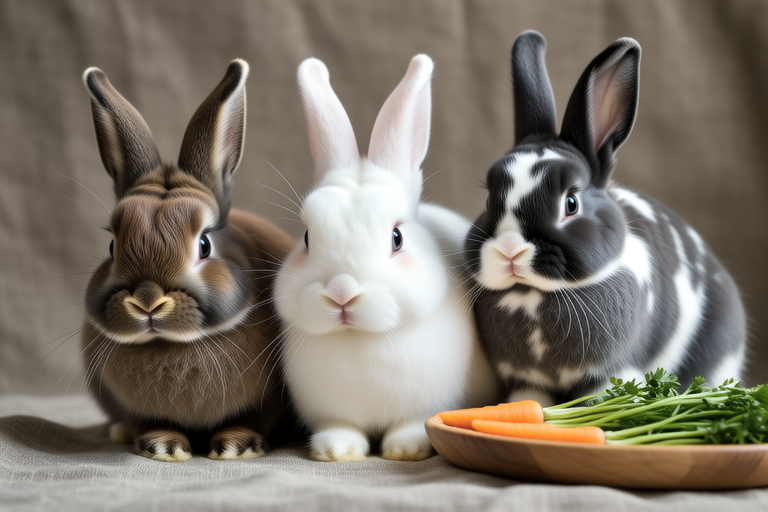
Adorable Lop Bunnies: Everything You Need To Know Before Adoption
Introduction
With their large, droopy ears and gentle demeanor, lop bunnies have become one of the most popular choices for pet lovers worldwide. Known for their playful yet calm nature, these charming creatures bring joy to households across the globe. Lop bunnies come in various sizes and colors, making them a delightful addition to any family. Whether you’re a seasoned pet owner or considering your first furry companion, this guide will provide all the essential information you need before adopting a lop bunny.
Temperament
Lop bunnies are renowned for their affectionate and docile personalities. They are generally patient and tolerant, which makes them ideal for families with children. These bunnies enjoy human interaction and often form strong bonds with their owners. Their gentle disposition also means they can coexist peacefully with other pets in the household. However, like all animals, each lop bunny has its own unique personality. Some may be more outgoing and adventurous, while others might prefer quieter, calmer environments.
Care Requirements
Providing proper care for your lop bunny is crucial to ensuring its happiness and longevity. Housing is a vital aspect; lop bunnies require spacious living quarters that allow for movement and exploration. A cage or hutch should be large enough for your bunny to stretch out fully and stand up on its hind legs without touching the top. Additionally, it’s important to provide plenty of bedding material such as hay or straw, which not only provides comfort but also aids in digestion.
Grooming is another significant part of caring for your lop bunny. Regular brushing helps maintain their coat and prevents matting, especially during shedding seasons. It’s also essential to trim their nails periodically to prevent overgrowth and discomfort. Bathing should be done sparingly, as rabbits naturally keep themselves clean through grooming.
Dietary Needs
A balanced diet is key to keeping your lop bunny healthy. The primary component of their diet should be hay, which should be available at all times. Hay provides necessary fiber and helps maintain digestive health. Fresh vegetables should make up about 10% of their daily intake, with leafy greens like romaine lettuce, kale, and spinach being particularly beneficial. Fruits can be given occasionally as treats due to their high sugar content. Pellets formulated specifically for rabbits should be provided in limited quantities to ensure they don’t overeat.
Always introduce new foods gradually to avoid upsetting your bunny’s sensitive stomach. Monitoring their weight and adjusting portions accordingly is important to prevent obesity, a common issue among domesticated rabbits.
Exercise Necessities
Lop bunnies are active animals that require regular exercise to stay fit and mentally stimulated. While they spend much of their time resting, they also enjoy hopping around and exploring. Providing a safe, enclosed area outside of their living space where they can run and play is highly recommended. This could be a designated room or a fenced outdoor area, ensuring there are no hazards like toxic plants or small spaces they could get stuck in.
In addition to physical activity, mental stimulation is equally important. Toys designed for rabbits, such as tunnels, chew toys, and puzzle feeders, help keep them engaged and entertained. Rotate these items regularly to maintain interest and prevent boredom.
Common Health Issues
Despite their overall hardiness, lop bunnies are prone to certain health problems. One common issue is dental disease, which can occur if their diet lacks sufficient fiber. Signs include excessive drooling, difficulty eating, and swollen cheeks. Regular dental check-ups by a veterinarian specializing in exotic pets can help catch and address these issues early.
Another concern is gastrointestinal stasis, where the digestive system slows down or stops functioning properly. Symptoms include decreased appetite, lethargy, and changes in fecal production. Prompt veterinary attention is critical in treating this condition. Ensuring a healthy diet and providing ample opportunities for exercise can reduce the risk of both these ailments.
Tips for Potential Adopters
Preparing your home for a new lop bunny involves several steps. First, secure any electrical cords and remove any potentially harmful objects from areas where your bunny will have access. Creating a comfortable sleeping area within their living space using soft blankets or towels is also advisable.
When selecting the right bunny, consider factors such as age, size, and activity level. Younger bunnies tend to be more energetic and playful, whereas older ones may prefer quieter companionship. If you plan to adopt multiple bunnies, introducing them gradually under supervision is recommended to ensure compatibility.
Bonding and Training Techniques
Building a strong bond with your lop bunny takes time and patience. Spend quality time together daily, offering gentle handling and positive reinforcement. Reward good behavior with treats or praise, and always approach them calmly and quietly. Avoid sudden movements or loud noises that might startle them.
Training lop bunnies can involve teaching simple commands or encouraging desired behaviors through consistent practice. For example, training them to use a litter box requires placing it in a designated spot and rewarding them when they use it correctly. Patience and consistency are key throughout this process.
Remember, owning a lop bunny comes with significant responsibilities. Providing proper care, attention, and a loving environment ensures they live long, happy lives. Be prepared for the commitment involved in caring for these wonderful creatures.
