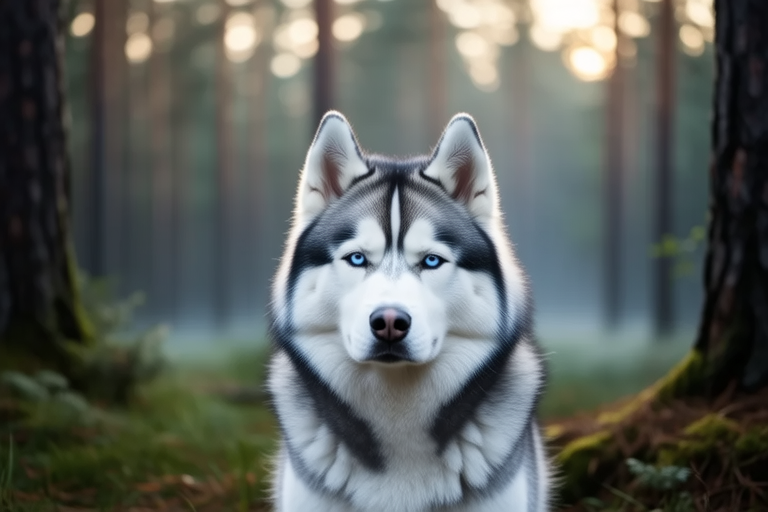
Beyond the Blue Eyes: Caring for Your Siberian Husky
Siberian Huskies have captured hearts with their striking blue eyes and wolf-like appearance. Originating from the icy regions of Siberia, these dogs were bred by the Chukchi people for endurance and strength, making them ideal sled dogs. Their history as working dogs has shaped their physical and mental traits, which require thoughtful care. This guide delves into the nuances of caring for a Siberian Husky, offering insights that go beyond the typical advice.
Dietary Needs
Understanding your Siberian Husky’s nutritional requirements is crucial. These dogs are prone to obesity if overfed, so portion control is key. Huskies thrive on high-protein diets, reflecting their ancestry. Opt for foods rich in animal proteins like chicken, beef, and fish, which provide essential amino acids. Additionally, include omega-3 fatty acids found in fish oil to maintain skin health and coat luster. Avoid grains unless they’re whole and unprocessed, as many huskies have sensitivities to grain-based fillers.
Feeding schedules can vary based on age and activity level. Puppies need more frequent meals, typically three times a day until they reach one year. Adult huskies usually fare well with two meals daily. Always ensure fresh water is available, especially during hot weather or after vigorous exercise.
Exercise Requirements
Huskies are energetic and need significant physical activity to stay healthy and happy. Daily walks are insufficient; they require at least one hour of intense exercise daily. Consider activities like running, hiking, or playing fetch. Agility courses and organized dog sports can also channel their energy constructively. The breed’s stamina allows them to cover long distances, so incorporating longer runs into their routine is beneficial.
Engaging mentally is equally important. Huskies are intelligent and can become destructive if bored. Puzzle toys, interactive games, and training sessions stimulate their minds. Rotate toys to keep interest levels high, preventing them from becoming disinterested.
Grooming Tips
Despite their thick coats, Siberian Huskies shed heavily twice a year, known as “blowing their coat.” Regular brushing, particularly during shedding seasons, can help manage this. Use a slicker brush or undercoat rake to remove loose hair and prevent matting. Bathing should be limited to when necessary, as excessive bathing strips natural oils from their skin. Use gentle shampoos specifically designed for dogs.
Trim nails regularly to avoid discomfort and potential injury. Check ears weekly for signs of infection, such as redness or odor, and clean them gently if needed. Brush teeth at least twice a week to prevent dental disease, a common issue in older dogs.
Common Health Issues
Huskies are generally robust but are predisposed to certain health conditions. Hip dysplasia and elbow dysplasia affect many large breeds, including huskies. Early intervention through diet and exercise can help manage symptoms. Progressive retinal atrophy (PRA) is another concern, leading to vision loss over time. Regular eye exams by a veterinary ophthalmologist can detect early signs.
Allergies are common, often manifesting as itchy skin or ear infections. Identifying and removing allergens from their environment can alleviate symptoms. Consult your veterinarian for appropriate treatments and dietary adjustments.
Training Techniques
Huskies are independent thinkers, which makes training challenging but rewarding. Positive reinforcement is the most effective method. Reward desired behaviors with treats, praise, or playtime. Consistency is vital; use the same commands and rewards each time. Training sessions should be short, ideally no longer than 15 minutes, to maintain focus.
Incorporate agility training into your routine. It not only provides physical exercise but also enhances mental stimulation and obedience. Agility courses teach dogs to follow commands quickly and accurately, improving overall responsiveness.
Behavioral Insights
Huskies are pack animals with strong social instincts. They thrive in environments where they feel part of the family. Establishing yourself as the pack leader is essential for maintaining order. Provide clear boundaries and consistent rules. Socialization from an early age helps huskies become well-adjusted adults.
Separation anxiety is common in huskies left alone for extended periods. Counter-conditioning techniques, like leaving them with a toy or blanket with your scent, can help. Gradually increase the time you spend away to desensitize them to being alone.
Understanding the unique needs of Siberian Huskies ensures they lead fulfilling lives. By addressing their dietary, exercise, grooming, health, training, and behavioral needs, you provide them with the best possible care. Embrace their spirit and companionship, and together, you’ll embark on an enriching journey filled with adventure and love.
