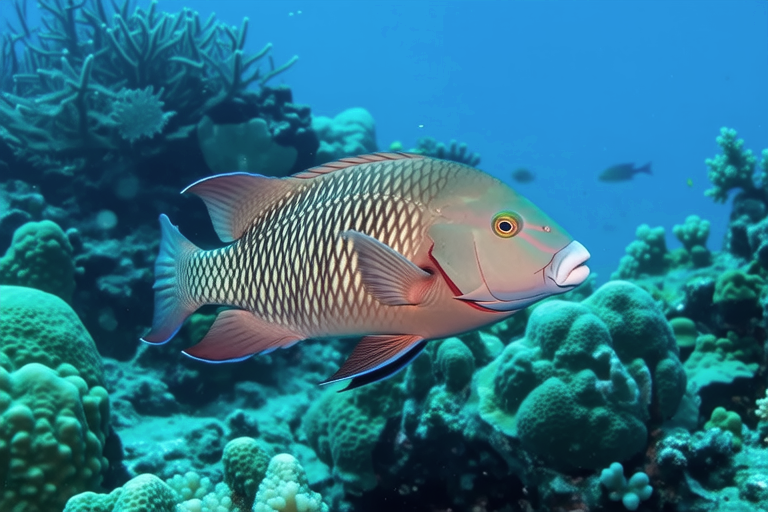
Parrot Fish: Nature’s Guardians of Healthy Oceans
In the vast and intricate world beneath the waves, there exists a vibrant array of creatures that play pivotal roles in maintaining the delicate balance of marine ecosystems. Among these, parrot fish stand out as some of the most vital guardians of our oceans. Known for their striking colors and unique feeding habits, these fish are indispensable in sustaining the health and vitality of coral reefs, which serve as the lungs of our planet. This article delves into the ecological significance of parrot fish, highlighting their critical role in controlling algae growth, contributing to biodiversity, and the potential threats they face.
The Ecological Role of Parrot Fish
Parrot fish are integral to coral reef ecosystems, where they perform a variety of functions that are essential for the health and longevity of these underwater habitats. One of their most notable contributions is their ability to control the growth of algae, which can otherwise smother and kill corals. By grazing on algae, parrot fish prevent it from overgrowing and choking off the sunlight and nutrients that corals need to thrive. This process is crucial for the survival of coral reefs, which are home to approximately 25% of all marine species.
Parrot fish also play a significant role in the formation of sand, which is a byproduct of their feeding habits. As they feed on coral polyps and algae, they grind down the calcium carbonate that makes up the coral skeletons, eventually excreting it as sand. This sand contributes to the formation of beaches and helps maintain the structural integrity of coral reefs. Without parrot fish, the sand production would decrease, leading to erosion and a decline in beach areas.
Controlling Algae Growth
Algal blooms can be devastating for coral reefs, often leading to the death of coral colonies. Parrot fish act as natural regulators of algal growth, preventing these blooms from occurring. They have specialized teeth that allow them to scrape algae off the surfaces of coral reefs, thereby maintaining the balance between algae and coral. This activity not only prevents the overgrowth of algae but also promotes the growth of new coral polyps.
Research has shown that areas with higher concentrations of parrot fish tend to have healthier coral reefs. For instance, studies conducted in the Caribbean have demonstrated that reefs with abundant parrot fish populations are more resistant to algal blooms and other environmental stressors such as climate change and pollution. In contrast, reefs with declining parrot fish populations are more susceptible to algal overgrowth and coral bleaching.
Contributing to Biodiversity
Beyond their direct impact on coral reefs, parrot fish also contribute significantly to marine biodiversity. By creating and maintaining diverse habitats, they support a wide range of species that rely on coral reefs for food, shelter, and breeding grounds. The grazing activities of parrot fish create patches of bare rock, which can be colonized by new coral polyps and other organisms, thus promoting the regeneration of coral reefs.
Moreover, the presence of parrot fish in a reef ecosystem attracts predators, including larger fish and marine mammals, which in turn supports a more complex and resilient food web. This interconnectedness ensures that the entire ecosystem remains healthy and robust. In essence, parrot fish act as keystone species, whose presence or absence can dramatically affect the structure and function of coral reef communities.
Real-World Examples
One compelling example of the importance of parrot fish can be found in the waters surrounding the Great Barrier Reef. Here, scientists have observed that areas with healthy populations of parrot fish exhibit lower levels of algal cover and higher rates of coral regeneration. This has been particularly evident in regions that have experienced disturbances such as cyclones or coral bleaching events.
Another example comes from the Maldives, where local fishermen have noticed a decline in fish catches due to reduced coral reef health. Researchers attribute this decline to a reduction in parrot fish populations, which has led to increased algal growth and decreased coral cover. Efforts to restore parrot fish populations through marine protected areas and sustainable fishing practices have shown promising results, with improved coral health and increased fish populations.
Threats to Parrot Fish Populations
Despite their critical role in maintaining ocean health, parrot fish populations face numerous threats that could jeopardize their future. Overfishing is one of the most pressing issues, as parrot fish are highly valued for their meat and are often targeted by commercial fisheries. In many parts of the world, parrot fish are among the top catch species, and their numbers have declined significantly in recent decades.
Additionally, habitat destruction poses a serious threat to parrot fish. Coastal development, pollution, and climate change all contribute to the degradation of coral reefs, which are essential for the survival of parrot fish. Coral bleaching events, caused by rising sea temperatures, have already led to the loss of vast stretches of coral reefs, leaving parrot fish without their primary source of food and shelter.
Efforts to protect parrot fish populations are underway in various parts of the world. Marine protected areas (MPAs) have been established to safeguard critical habitats and provide safe havens for parrot fish to breed and grow. Sustainable fishing practices, such as limiting fishing gear and establishing no-take zones, are also being implemented to ensure the long-term viability of parrot fish populations.
Conclusion
Parrot fish are truly nature’s guardians of healthy oceans, playing a crucial role in maintaining the delicate balance of coral reef ecosystems. Their ability to control algae growth, contribute to sand production, and promote biodiversity makes them indispensable to the health and resilience of our oceans. However, their populations face significant threats from overfishing, habitat destruction, and climate change. It is imperative that we take action to protect these remarkable creatures and the ecosystems they support. By doing so, we can ensure the continued vitality of our oceans and the countless species that depend on them.
